If you follow a keto diet for more than a few weeks, it’s sensible to ask your doctor about a cholesterol (lipid) test, blood sugar or HbA1c, kidney function and electrolytes, and sometimes liver tests and uric acid. Ideally, have them done before you start and again after about 3 months. LDL cholesterol is the result most likely to change: in the Keto-Med trial, it rose by about 10% on keto while falling on a Mediterranean diet, and some people see much larger rises. People with diabetes, kidney disease or heart disease, or who take regular medicines, should only start keto with medical supervision.
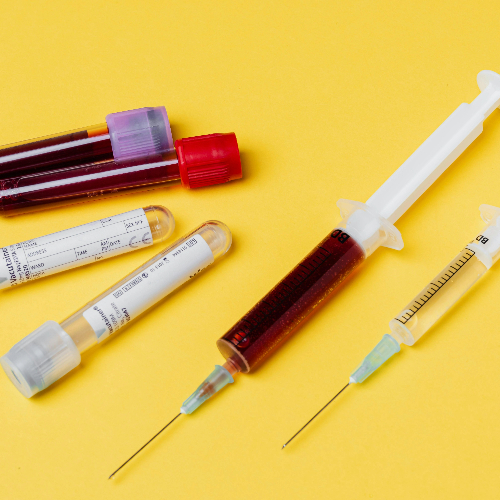
Why blood tests matter on keto
A ketogenic diet changes several things at once: the type of fat you eat, how your body handles salt and water, and how much carbohydrate your liver and muscles store. Most changes are harmless or even helpful, but some people develop high cholesterol, kidney stones or electrolyte problems. Harvard’s Nutrition Source lists possible keto risks including nutrient shortfalls, kidney stones, raised uric acid and higher LDL cholesterol from saturated fat. Tests are the only way to know how your body is responding.
Which tests to ask about
| Test | What it shows | Why it matters on keto |
|---|---|---|
| Lipid panel | Total, LDL and HDL cholesterol, non-HDL cholesterol, triglycerides | LDL can rise, sometimes sharply; triglycerides often fall and HDL often rises |
| HbA1c and fasting glucose | Average blood sugar over 2 to 3 months | Often improves; needed if you have prediabetes or diabetes |
| Urea and electrolytes (kidney panel) | Kidney function, sodium, potassium | Keto changes salt and fluid balance; important if you have kidney disease or take diuretics |
| Liver function tests | Liver enzymes and proteins | A baseline is useful, especially if you drink alcohol or have liver disease |
| Uric acid | Urate level | Can rise early on keto, which matters if you’ve had gout |
| Full blood count | Red and white blood cells, anemia | Checks for anemia if your diet has changed a lot |
| Thyroid (TSH) | Thyroid function | Only if you have symptoms or a thyroid condition |
The NHS describes the common blood tests, including the full blood count, kidney panel and thyroid tests. Your doctor will decide which ones you need.
Cholesterol on keto: what to look for
Keto often lowers triglycerides and raises HDL (“good”) cholesterol, which are good signs. LDL (“bad”) cholesterol is more variable. The Bueno 2013 meta-analysis of 13 trials lasting at least 12 months found a small average rise in LDL on very low-carb diets, along with lower triglycerides and higher HDL. Averages hide big differences between people, though: some see little change and others see LDL rise substantially.
The NHS gives these healthy levels for adults:
- Non-HDL cholesterol: below 4 mmol/L
- HDL cholesterol: above 1.0 mmol/L for men or 1.2 mmol/L for women
If your LDL or non-HDL rises a lot, our guide to keto and cholesterol explains what to do, including swapping saturated fats for olive oil, nuts, avocado and oily fish.
Measuring ketones
Ketone tests aren’t routine blood tests. You can measure them yourself with a blood ketone meter, urine strips or a breath meter. Blood meters are the most accurate.
For people with diabetes, ketone readings are a safety check. The NHS says that in diabetes a blood ketone level under 0.6 mmol/L is normal, 0.6 to 1.5 mmol/L is slightly high, 1.6 to 3 mmol/L means a risk of diabetic ketoacidosis (DKA), and over 3 mmol/L means you may have DKA and need emergency care. These ranges are set for people with diabetes. In people without diabetes on keto, readings in the “slightly high” range are expected, but high readings with nausea, vomiting, stomach pain or confusion always need medical help.
When to test
- Before you start, to have a baseline.
- After about 3 months, when your body has adapted.
- Then every 6 to 12 months if you stay on keto, or as your doctor advises.
- Sooner if you feel unwell, have kidney pain, palpitations, severe cramps or very low energy.
Who should be monitored more closely
- People with type 1 or type 2 diabetes, especially on insulin, sulfonylureas or SGLT2 inhibitors. Our article on keto and type 2 diabetes explains the medicine risks.
- People with kidney disease or a history of kidney stones. Kidney stones affected about 5.9% of people on long-term ketogenic diets in a 2021 meta-analysis.
- People with heart disease or high cholesterol, or a family history of either.
- People who take blood pressure medicines or diuretics.
- Anyone with a history of gout.
Questions to ask your doctor
- Which tests do I need before starting, and when should I repeat them?
- Do any of my medicines need adjusting on a low-carb diet?
- What LDL level would make you want me to change my diet?
- Should I be measuring ketones, and what readings should worry me?
Common questions
Do I need to fast before the tests?
It depends on the test and the lab. Some cholesterol and glucose tests need you to stop eating for up to 12 hours, while many labs now accept non-fasting samples. Follow the instructions you’re given, and drink water as usual unless told otherwise.
Can keto change my results?
Yes, and that’s the point of testing. Tell your doctor that you follow a keto diet and when you started, because results in the first few months can differ from later ones. Dehydration and hard exercise the day before can also affect kidney results, so try to keep your routine normal before a test.
Can I order these tests myself?
In some countries you can buy home finger-prick kits or private blood tests. They can be useful, but results are best reviewed with a doctor, who can compare them with your history and arrange follow-up if something looks wrong.
What if my LDL goes up a lot?
Don’t ignore it. Your doctor may suggest swapping saturated fats for unsaturated ones, loosening your carb limit, stopping keto, or a medicine, depending on your overall risk of heart disease.
Safety note: Keto isn’t suitable for everyone. If you have diabetes, kidney or liver disease, take regular medication, or are pregnant or breastfeeding, talk to your doctor before cutting carbs this far (why it matters).
This article is general information, not medical advice. Talk to your doctor or a registered dietitian before making big changes to how you eat, especially if you have a health condition, take regular medication, or are pregnant or breastfeeding.