A ketogenic diet isn’t recommended during pregnancy or while breastfeeding unless a specialist is supervising it for a medical reason, such as some types of epilepsy. There’s no good evidence that keto is safe for a developing baby, and very low-carb eating makes it harder to get enough folate, fiber and other nutrients. In one US study, women who restricted carbohydrates around conception had less than half the folic acid intake of other women and were 30% more likely to have a baby with a neural tube defect. Breastfeeding women on very low-carb diets have also developed a rare but serious condition called lactation ketoacidosis.
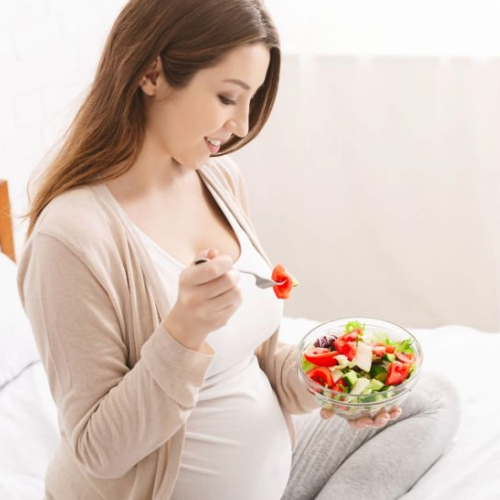
Why keto and pregnancy don’t mix well
Folate and folic acid
Folate is essential in early pregnancy, when the baby’s brain and spine develop. The NHS advises taking 400 micrograms of folic acid every day while trying to conceive and for the first 12 weeks of pregnancy, to reduce the chance of a neural tube defect such as spina bifida. Many countries fortify bread, flour and cereals with folic acid, which are the very foods keto cuts out.
The 2018 study found that women with restricted carbohydrate intake were slightly more likely to have an infant with a neural tube defect (adjusted odds ratio 1.30), and their folic acid intake from food was much lower. It was an observational study, so it can’t prove cause, but it’s a strong reason to take folic acid and not to cut carbs sharply when you might become pregnant.
Nutrients and fiber
Pregnancy increases the need for folate, iron, calcium, iodine and other nutrients. The NHS describes starchy foods as an important source of energy, some vitamins and fiber in pregnancy, and recommends wholegrain or higher-fiber options. Cutting most grains, fruit and starchy vegetables makes it harder to meet these needs, and constipation is already common in pregnancy.
Ketones and the baby
Ketones cross the placenta. Mild ketosis happens naturally after an overnight fast, but there’s very little research on the effects of sustained nutritional ketosis on a developing baby, and a 2026 review of who shouldn’t follow keto lists pregnancy among the situations that call for caution. Until there’s evidence that it’s safe, the cautious approach is to avoid deliberately staying in ketosis.
Not a time for weight loss
Pregnancy isn’t the time to diet for weight loss. Ask your midwife or doctor about healthy weight gain for you.
Breastfeeding and keto
Breastfeeding uses a lot of energy and glucose to make milk. Combining breastfeeding with a very low-carb diet can, in rare cases, lead to lactation ketoacidosis, a dangerous build-up of acid in the blood. A 2015 case report described a breastfeeding woman without diabetes who developed ketoacidosis on a low-carbohydrate, high-fat diet, and concluded that breastfeeding may trigger or worsen the condition.
Warning signs include nausea, vomiting, stomach pain, rapid breathing, feeling very weak or confused, and breath that smells sweet or fruity. Get urgent medical help if you notice them.
If you want to lose weight after having a baby, a balanced diet with moderate portions, plenty of vegetables, whole grains and protein, and gradual weight loss is safer while you’re breastfeeding.
What about gestational diabetes?
If you develop gestational diabetes, your care team will give you dietary advice, often with a dietitian. The NHS recommends eating starchy foods with a low glycemic index that release sugar slowly, such as wholewheat pasta, brown rice, pulses, beans, lentils and plain porridge, eating plenty of fruit and vegetables, and swapping sugary snacks for fruit, nuts and seeds. That’s a moderate, controlled-carbohydrate approach, not keto. Don’t cut carbs drastically without your team’s advice. Our guide to the glycemic index explains slow-release carbs.
If you’re on keto for a medical reason
Some people follow a ketogenic diet to manage epilepsy. If that applies to you, talk to your neurologist and obstetric team before trying to conceive or as soon as you know you’re pregnant. Don’t stop or change a medically prescribed diet or medicine without specialist advice.
If you were on keto and find out you’re pregnant
- Don’t panic. Start taking folic acid straight away if you’re not already.
- Gradually bring back healthy carbohydrates: whole grains, fruit, starchy vegetables, beans and lentils.
- Tell your midwife or doctor about your diet, so they can check your nutrition.
- Take vitamin D: the NHS recommends 10 micrograms a day in pregnancy.
A healthy pregnancy plate
- Half vegetables and fruit
- A quarter wholegrain starchy foods, such as brown rice, whole wheat pasta, oats and potatoes with skins
- A quarter protein, such as beans, lentils, eggs, fish (lower-mercury choices), chicken and lean meat
- Dairy or calcium-fortified alternatives every day
Our guide to foods to avoid during pregnancy covers food safety.
Common questions
Is a low-carb diet okay in pregnancy?
A diet with moderate amounts of high-quality carbohydrate, such as whole grains, beans and fruit, and fewer sugary foods, is healthy. A very low-carb or keto diet isn’t recommended without medical supervision.
Can I do keto while trying to get pregnant?
It’s better not to. Very low-carb eating is linked with lower folic acid intake, and the most important time for folate is before you know you’re pregnant. If you’re planning a pregnancy, eat a balanced diet and take folic acid.
Is intermittent fasting safe in pregnancy?
No, unless your doctor advises it. Our article on keto and intermittent fasting explains who shouldn’t fast.
Can I eat low-carb meals sometimes while pregnant?
Yes. A meal built around vegetables, protein and healthy fats is fine. The concern is a sustained very low-carb or ketogenic diet, not individual meals. Include wholegrain starchy foods, fruit, beans and lentils across the day.
Should I take a pregnancy multivitamin?
Many people take one that contains folic acid and vitamin D. Choose one made for pregnancy, which doesn’t contain high-dose vitamin A, and ask your midwife or pharmacist if you’re unsure.
Safety note: Keto isn’t suitable for everyone. If you have diabetes, kidney or liver disease, take regular medication, or are pregnant or breastfeeding, talk to your doctor before cutting carbs this far (why it matters).
This article is general information, not medical advice. Talk to your doctor or a registered dietitian before making big changes to how you eat, especially if you have a health condition, take regular medication, or are pregnant or breastfeeding.