“Keto flu” is the name people give to a cluster of short-lived symptoms, such as headache, tiredness, nausea, dizziness and brain fog, that some people feel when they first cut carbohydrate sharply. It isn’t a real flu and isn’t contagious. In a study of people’s reports in online forums, symptoms were most common in the first week and had usually faded by about four weeks. Severe symptoms, vomiting or a fast heartbeat are not normal keto flu and need medical advice.

What keto flu feels like
The most detailed look at keto flu so far is a 2020 study in Frontiers in Nutrition. The researchers read hundreds of posts in online keto forums and collected the symptoms people described. The most common reports included:
- A flu-like feeling
- Headache
- Tiredness and low energy
- Nausea
- Dizziness or feeling faint
- Brain fog, or trouble concentrating
- Stomach or bowel discomfort
- Changes in heartbeat
A 2026 review of the diet’s side effects also lists keto flu symptoms (fatigue, headache and nausea) among the most frequently reported effects of starting keto, along with digestive problems, passing more urine and, in people on some diabetes medicines, low blood sugar.
How long does keto flu last?
In the forum study, symptom reports peaked in the first week and dwindled after about four weeks. Only a handful of people said exactly when their symptoms ended, so treat those timings as rough. For most people, keto flu is a matter of days to a few weeks, not months (source).
If you still feel unwell after a month, or you’re getting worse rather than better, that’s a reason to see your doctor rather than push on.
Why it happens
When you cut carbohydrate to keto levels, usually under 50 g a day according to Harvard’s Nutrition Source, your body has to change how it fuels itself. It uses up its stored glucose and starts burning more fat and making ketones. Harvard’s review lists hunger, fatigue, headaches, irritability and brain fog among the short-term effects of cutting carbohydrate this far.
The exact causes of keto flu haven’t been well studied. The 2026 review lists passing more urine as a common early effect, which is one reason many people focus on fluids and salt in the first weeks (source). Lower energy intake, less fiber and simply changing your eating habits overnight may play a part too.
What people find helps
There are no trials testing keto flu remedies, so the ideas below are practical steps rather than proven treatments. In the forum study, the remedies people suggested centered on hydration and electrolytes. The most common were eating more sodium (salt), taking electrolytes, drinking broth, and getting more magnesium and potassium.
- Drink enough fluid. Aim for urine that’s pale yellow, which the NHS uses as a simple guide to whether you’re drinking enough.
- Don’t cut salt to the bone in the first weeks, unless your doctor has told you to limit it. A cup of broth is a common keto choice. If you have high blood pressure, heart failure or kidney disease, ask your doctor before adding salt.
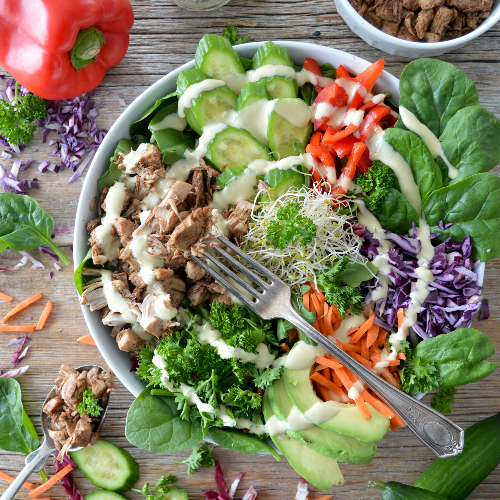
- Eat potassium-rich keto foods such as spinach and avocado, which have about 558 mg and 485 mg of potassium per 100 g (USDA), rather than taking potassium supplements without advice.
- Eat enough. Cutting carbohydrate and calories hard at the same time makes many people feel worse. Fat and protein should fill the gap. Our guide to keto macros shows how.
- Keep fiber up with non-starchy vegetables, nuts and seeds, which helps with the constipation some people get. The keto food list has low-carb options.
- Go easy on hard exercise for the first week or two, and keep to gentle activity such as walking.
- Consider a slower start. Some people prefer to cut carbohydrate in steps over a week or two rather than overnight, so the change feels less abrupt.
When it’s not keto flu: get medical help
Some symptoms are not normal and need prompt medical attention:
- Vomiting, stomach pain, fast or deep breathing, confusion or extreme tiredness. In people who take SGLT2 inhibitors (such as empagliflozin or dapagliflozin), cutting carbohydrate this far has been linked to euglycemic ketoacidosis, a dangerous build-up of acid in the blood that can happen even when blood sugar readings look normal. This is an emergency.
- Shakiness, sweating, confusion or a low blood sugar reading if you take insulin or sulfonylureas. Low blood sugar is a known risk when these medicines are combined with a very low-carbohydrate diet.
- Fainting, chest pain, or a racing or irregular heartbeat.
- Symptoms that last longer than about four weeks or keep getting worse.
If any of these happen, stop and get medical advice the same day, or call your local emergency number for severe symptoms.
How to make the first two weeks easier
- Plan your first week of meals before you start, so you’re not hungry and searching for something you can eat.
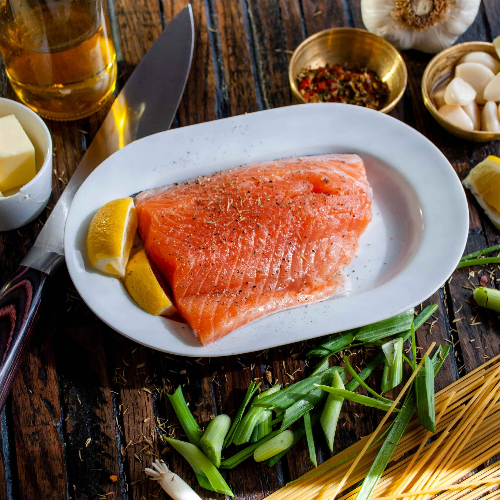
- Stock simple foods: eggs, salad leaves, frozen vegetables, canned fish, cheese, avocado, nuts and olive oil.
- Pick a quieter week to start, not one with big deadlines, travel or hard training.
- Keep notes on how you feel each day. Most people see a pattern of improvement, and if you don’t, you’ll have useful details for your doctor.
- Know your limit. Our guide to net carbs explains how to count carbohydrate accurately so you’re not cutting further than you mean to.
Before you start
Safety note: A ketogenic diet isn’t safe for everyone. Don’t start one without medical supervision if you have type 1 diabetes, take insulin or other diabetes medicines (especially SGLT2 inhibitors such as empagliflozin or dapagliflozin), take medicine for high blood pressure, have kidney, liver, pancreas or gallbladder disease, are underweight or have had an eating disorder, or are pregnant or breastfeeding. Children should only follow keto as a medical treatment run by a specialist team. A 2026 review of keto’s contraindications lists these and other situations that need care, so talk to your doctor first if any apply to you.
This article is general information, not medical advice. Talk to your doctor or a registered dietitian before making big changes to how you eat, especially if you have a health condition, take regular medication, or are pregnant or breastfeeding.