The best keto pasta alternatives are zucchini noodles, spaghetti squash, konjac (shirataki) noodles, hearts of palm pasta, cabbage “noodles,” and thin slices of eggplant or zucchini in place of lasagna sheets. Most have 2 to 5 g of net carbs per 100 g, compared with about 29 g for cooked regular pasta. None tastes exactly like wheat pasta, but with a good sauce, such as tomato and garlic topped with seafood like the seared scallop in our photo, a creamy pesto or a meaty ragù, they make satisfying low-carb meals. The trick is to match each alternative to the right sauce and not overcook it.
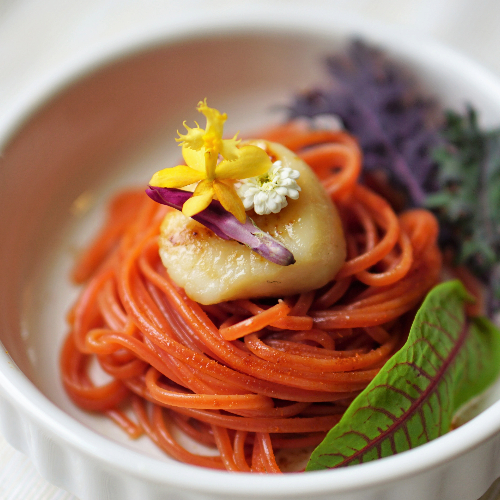
Keto pasta alternatives compared
Per 100 g (3½ oz), from USDA FoodData Central:
| Alternative | Calories | Carbs | Fiber | Net carbs | Best for |
|---|---|---|---|---|---|
| Zucchini noodles, raw | 17 kcal | 3.1 g | 1 g | about 2 g | Light tomato, pesto and garlic sauces |
| Spaghetti squash, cooked | 27 kcal | 6.5 g | 1.4 g | about 5 g | Meat sauces, baked “spaghetti” bakes |
| Hearts of palm, canned | 28 kcal | 4.6 g | 2.4 g | about 2 g | Linguine-style dishes, seafood |
| Cabbage, raw | 25 kcal | 5.8 g | 2.5 g | about 3 g | Stir-fries, buttery or creamy sauces |
| Eggplant, raw | 25 kcal | 5.9 g | 3 g | about 3 g | Lasagna layers |
| Cauliflower, raw | 25 kcal | 5 g | 2 g | about 3 g | “Mac and cheese,” gnocchi-style bakes |
| Regular pasta, cooked | 158 kcal | 30.9 g | 1.8 g | about 29 g | For comparison |
| Whole grain pasta, cooked | 159 kcal | 31.5 g | 4.6 g | about 27 g | For comparison |
Konjac or shirataki noodles aren’t listed in USDA’s standard reference data, but most brands contain only a few calories and 1 to 3 g of carbohydrate per 100 g, almost all of it fiber. Check the label of the brand you buy.
Zucchini noodles
Spiralized zucchini, often called “zoodles,” are the most popular keto pasta swap.
- How to make them: use a spiralizer, a julienne peeler or a mandoline with a hand guard.
- How to cook them: toss in a hot pan with a little oil for 1 to 2 minutes, or pour hot sauce over raw noodles. Cook them too long and they turn soft and watery.
- Tip: salt the noodles and leave them in a colander for 15 minutes, then pat dry, to remove some water before cooking.
- Good with: tomato and garlic sauce, pesto, prawns, and our keto meatballs.
Spaghetti squash
When roasted, the flesh of spaghetti squash separates into long, pasta-like strands.
- How to cook it: halve lengthwise, scoop out the seeds, brush with oil and roast cut side down at 200°C (400°F) for 35 to 45 minutes. Scrape out the strands with a fork.
- Good with: bolognese, garlic butter and Parmesan, or baked with cheese and tomato sauce.
- Note: it has slightly more carbs than zucchini but is still far lower than pasta.
Konjac (shirataki) noodles
Made from the root of the konjac plant, these translucent noodles are mostly water and glucomannan, a soluble fiber.
- How to prepare them: rinse well under cold water, which removes their slight fishy smell, then dry-fry in a hot pan for a few minutes to improve the texture before adding sauce.
- Good with: Asian-style stir-fries and soups, such as our keto Thai curry soup.
- Note: some people find they cause bloating, especially at first. Start with a small portion and drink plenty of water.
Hearts of palm pasta
Sliced hearts of palm, sold in jars, cans or pouches, have a mild flavor and a firmer bite than most vegetable noodles. They’re closest in texture to real pasta. Canned hearts of palm are often salty, so rinse them before cooking and check the label.
Cabbage noodles
Thinly sliced cabbage, sautéed in butter or olive oil until just tender, makes a cheap and filling base for creamy or meaty sauces. Savoy and green cabbage work best.
Low-carb lasagna
Replace lasagna sheets with long, thin slices of zucchini or eggplant. Salt the slices and leave them for 20 minutes, then pat dry and roast or grill them briefly before layering. This stops the lasagna turning watery. Thin slices of cooked chicken or deli meat can also be used as layers.
Other options
- Cauliflower: use florets in a baked “mac and cheese,” or in place of gnocchi.
- Egg-based noodles: thin omelets, rolled and sliced, work well in soups.
- Store-bought low-carb pasta: some products are made from soy, lupin or other legume flours, or from wheat protein. Carb counts vary widely, so read the label: some “protein pastas” made from lentils or chickpeas are too high in carbs for strict keto.
Choosing a keto-friendly sauce
The sauce matters as much as the noodle. Low-carb options include:
- Tomato sauce made from canned tomatoes, garlic and olive oil, without added sugar. Check jarred sauces, as many contain sugar.
- Pesto: basil, Parmesan, pine nuts and olive oil. Our pesto chicken bake includes a quick homemade pesto.
- Creamy sauces made with cream cheese, Parmesan or cream, in moderate amounts because of their saturated fat.
- Garlic butter and lemon with prawns or scallops.
- Bolognese made with lean ground meat and plenty of vegetables.
Seafood such as prawns, scallops and mussels is low in fat and high in protein. Our article on whether seafood is keto covers the options. Scallops and prawns should be cooked until opaque and firm, and the FDA advises cooking most seafood to 63°C (145°F).
Should you give up pasta at all?
On strict keto, regular pasta doesn’t fit: a 200 g portion of cooked pasta contains around 60 g of carbohydrate. But if you’re not following keto for a medical reason, pasta can be part of a healthy diet. A review of 32 trial comparisons found that pasta eaten as part of a low glycemic index diet didn’t cause weight gain, and was linked to a small weight loss compared with higher glycemic index diets. Our article on whether pasta is healthy explains more.
Common questions
Which keto pasta tastes most like real pasta?
Hearts of palm and some legume- or wheat-protein pastas come closest in texture. Zucchini and spaghetti squash are lighter and softer.
Why are my zucchini noodles watery?
They were cooked too long, or salted in the sauce. Cook them briefly, or pour hot sauce over them raw, and salt the sauce rather than the noodles.
Are shirataki noodles safe?
Yes, for most people, as part of a meal. Their fiber absorbs water, so eat them with plenty of fluid. People with swallowing difficulties should check with their doctor.
Safety note: Keto isn’t suitable for everyone. If you have diabetes, kidney or liver disease, take regular medication, or are pregnant or breastfeeding, talk to your doctor before cutting carbs this far (why it matters).
This article is general information, not medical advice. Talk to your doctor or a registered dietitian before making big changes to how you eat, especially if you have a health condition, take regular medication, or are pregnant or breastfeeding.