Eating 30 different plants a week sounds like a lot, but it’s easier than it seems because everything from plants counts: vegetables, fruit, whole grains, beans and lentils, nuts, seeds, and even herbs and spices. The idea comes from the American Gut Project, a large citizen science study of gut bacteria, which reported that people who ate more than 30 different plant types a week had more diverse gut microbes than those who ate 10 or fewer. Diversity in the gut is generally seen as a sign of health, though the research is still young. The simplest ways to get there are mixed bags of frozen vegetables, multi-bean cans, seed mixes, and swapping one ingredient in your usual meals each week.
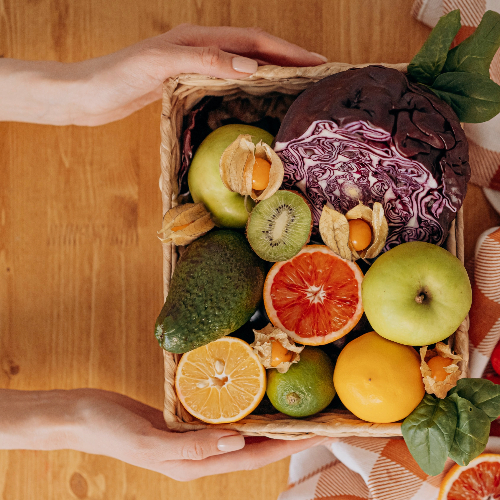
What counts as a plant?
| Group | Examples | How it usually counts |
|---|---|---|
| Vegetables | Spinach, carrots, peppers, onions, broccoli, mushrooms | Each different vegetable counts as 1 |
| Fruit | Apples, berries, bananas, oranges, kiwi | Each fruit counts as 1 |
| Whole grains | Oats, brown rice, barley, quinoa, whole wheat, buckwheat | Each grain counts as 1 |
| Legumes | Chickpeas, lentils, black beans, kidney beans, peas, edamame | Each type counts as 1 |
| Nuts | Almonds, walnuts, cashews, peanuts | Each type counts as 1 |
| Seeds | Pumpkin, sunflower, chia, flax, sesame | Each type counts as 1 |
| Herbs and spices | Basil, parsley, cumin, turmeric, cinnamon | Many people count these as a quarter each, since amounts are small |
Different colors of the same plant, such as red and green peppers, or red and white onions, are often counted separately because they contain different plant compounds. Refined products such as white bread, white rice and juice usually don’t count, as most of the fiber has been removed.
Why variety matters
Different plants contain different types of fiber and plant compounds, which feed different groups of gut bacteria. A wider range of plants is linked with a more varied community of gut microbes. Gut bacteria ferment fiber into short-chain fatty acids, which help keep the gut lining healthy. Beyond the gut, eating a variety of plants means more fiber, vitamins and minerals overall. Most adults don’t get enough fiber; the NHS recommends 30 g a day.
It’s worth keeping the evidence in perspective. The American Gut findings are observational, so they show a link rather than proof that 30 is a magic number. Whether you reach 25 or 35 matters less than steadily eating a wider range of plants.
How to get to 30
1. Count what you already eat
Many people already eat 15 to 20 plants a week without noticing. Write down every plant you eat for a week to get a starting number.
2. Buy mixes
- Frozen mixed vegetables or stir-fry mixes.
- Mixed bean cans such as three-bean or five-bean salad.
- Seed mixes for porridge, salads and yogurt.
- Mixed salad leaves, which can contain four or five plants in one bag.
- Frozen mixed berries.
- Mixed grain pouches with brown rice, quinoa and red rice.
3. Upgrade breakfast
Oats with chia, ground flax, walnuts, berries, banana and cinnamon is seven plants before 9am. Our guide to overnight oats has variations.
4. Add beans to everything
Stir chickpeas into curries, lentils into bolognese, white beans into soups, and black beans into chili. Our guide to beans and legumes explains why they’re so useful.
5. Use herbs and spices generously
Fresh herbs, garlic, ginger, chili and spice blends add both points and flavor, and help you use less salt. Our guide to fresh herbs has ideas.
6. Rotate your staples
Swap your usual rice for barley, farro, buckwheat or quinoa now and then. Try a new vegetable each week, such as fennel, celeriac, kohlrabi or bok choy.
7. Top your meals
A sprinkle of seeds, a handful of nuts, chopped herbs or a few olives adds variety to salads, soups and bowls.
A sample day with 20 plants
- Breakfast: porridge (oats) with blueberries, banana, chia seeds, walnuts and cinnamon. *(6)*
- Lunch: mixed leaf salad (3 leaves), cherry tomatoes, cucumber, chickpeas, red onion, pumpkin seeds and parsley, with olive oil and lemon. *(10)*
- Snack: an apple and a few almonds. *(2)*
- Dinner: a stir-fry with tofu (soy), broccoli, red pepper, carrot, ginger and garlic on brown rice. *(adds 4 new plants, as some repeat)*
That’s around 20 different plants in one day. Over a week, with different fruits, vegetables and grains, 30 comes quickly.
Budget tips
Eating more plants doesn’t have to be expensive. Frozen and canned vegetables and fruit are cheap and just as nutritious as fresh. Dried lentils, split peas and oats cost very little. Buy herbs and spices from the world food aisle, where they’re often cheaper, and grow a few herbs on a windowsill. Our guides to healthy eating on a budget and frozen vs fresh produce have more ideas.
Things to watch
- Increase fiber gradually. A sudden jump in beans, lentils and whole grains can cause gas and bloating. Add new foods over a few weeks and drink plenty of water.
- People with IBS may find some high-fiber foods trigger symptoms. A dietitian can help you find plants that suit you.
- Variety doesn’t replace quantity. A few leaves of 30 plants isn’t the same as eating plenty of vegetables. Aim for at least 5 portions of fruit and vegetables a day as well.
Common questions
Do coffee, tea and chocolate count?
Some people count them, since they come from plants, but usually as a small amount, like herbs and spices. Don’t rely on them.
Do potatoes count?
Yes, as a plant, though they don’t count toward your 5 a day, because the NHS classes them as a starchy food. Eat them with the skin for more fiber.
Is 30 plants better than 5 a day?
They measure different things. Five a day is about the amount of fruit and vegetables; 30 plants is about variety. Both are useful goals. Our guide to eating the rainbow is another way to think about variety.
Do I need probiotic supplements too?
Most people don’t. A diet rich in varied plants feeds your own gut bacteria. Fermented foods like yogurt and kefir can add live bacteria; our guide to probiotic foods explains more.
This article is general information, not medical advice. Talk to your doctor or a registered dietitian before making big changes to how you eat, especially if you have a health condition, take regular medication, or are pregnant or breastfeeding.



