Fresh herbs such as parsley, basil, coriander (cilantro), mint, dill, chives and rosemary add flavor, color and aroma to food for almost no calories, and they make it easier to cook with less salt. Used generously, some also provide useful amounts of vitamin K, vitamin C, folate and beta carotene: parsley is especially rich. You’d rarely eat enough herbs for them to be a major source of nutrients, so their main health benefit is helping you enjoy vegetables, salads and home-cooked meals. Stored well, soft herbs last a week or more in the fridge, and most freeze well too.
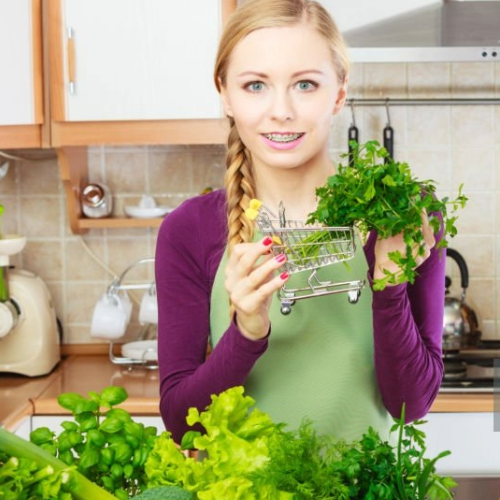
Herb nutrition
Per 100 g (3½ oz) fresh, from USDA FoodData Central. A typical handful of chopped soft herbs weighs only 5 to 10 g, so you get a small fraction of these amounts in a dish.
| Herb | Calories | Vitamin C | Vitamin K | Folate | Iron |
|---|---|---|---|---|---|
| Parsley | 36 kcal | 133 mg | 1,640 mcg | 152 mcg | 6.2 mg |
| Basil | 23 kcal | 18 mg | 415 mcg | 68 mcg | 3.2 mg |
| Coriander (cilantro) leaves | 23 kcal | 27 mg | 310 mcg | 62 mcg | 1.8 mg |
| Chives | 30 kcal | 58 mg | 213 mcg | 105 mcg | 1.6 mg |
| Dill | 43 kcal | 85 mg | not listed | 150 mcg | 6.6 mg |
| Spearmint | 44 kcal | 13 mg | not listed | 105 mcg | 11.9 mg |
| Rosemary | 131 kcal | 22 mg | not listed | 109 mcg | 6.7 mg |
Even a small amount of parsley adds a lot of vitamin K: 10 g provides 164 mcg, more than the US Daily Value of 120 mcg.
Benefits of fresh herbs
Flavor with less salt
Herbs make food taste bright and interesting, which helps you cut back on salt. Adults are advised to have no more than 6 g of salt a day, according to the NHS. Lemon, garlic, herbs and black pepper can replace much of the salt in dressings, marinades and sauces.
Helping you eat more vegetables
A handful of herbs can transform plain vegetables, grains and salads, which makes healthy food more appealing. Our guide on how to eat more vegetables has more ideas.
Plant compounds
Herbs contain aromatic oils and polyphenols, such as rosmarinic acid in rosemary and mint. They show antioxidant effects in the lab, but the amounts you eat in food are small, so it’s best to see them as one part of a varied, plant-rich diet.
A guide to common herbs
| Herb | Flavor | Great with |
|---|---|---|
| Parsley | Fresh, grassy | Salads, tabbouleh, fish, soups, salsa verde |
| Basil | Sweet, peppery | Tomatoes, pasta, pesto, Thai dishes |
| Coriander (cilantro) | Citrusy, bright | Curries, salsa, tacos, noodle dishes |
| Mint | Cool, fresh | Peas, lamb, yogurt dips, fruit, drinks |
| Dill | Delicate, anise-like | Fish, potatoes, cucumber, yogurt |
| Chives | Mild onion | Eggs, potatoes, salads, soups |
| Rosemary | Piney, strong | Roast potatoes, chicken, lamb, bread |
| Thyme | Earthy | Stews, roast vegetables, mushrooms |
Some people find that coriander tastes soapy. This is linked partly to genetics; parsley or mint can be used instead.
How to store fresh herbs
Soft herbs: parsley, coriander, dill, mint
- Trim the ends of the stems.
- Stand them in a jar with a little water, like flowers.
- Cover loosely with a plastic bag and keep them in the fridge.
- Change the water every couple of days. They’ll keep for 1 to 2 weeks.
Basil
Basil blackens in the cold. Stand it in a jar of water on the kitchen counter, out of direct sun, and use within a few days.
Woody herbs: rosemary, thyme, sage
Wrap them loosely in a slightly damp paper towel, put them in a container or bag, and keep them in the fridge for up to 2 weeks.
Freezing
Chop soft herbs and freeze them in ice cube trays covered with a little water or olive oil. Add the cubes straight to soups, stews and sauces. Woody herbs can be frozen whole on the stem. Our guide on how to store fruit and vegetables has more tips.
Washing herbs
Wash herbs just before using them, swishing them in a bowl of cold water and then rinsing under running water, as the FDA advises for all produce. Dry them in a salad spinner or on a clean towel before chopping.
Growing your own
Many herbs are easy to grow on a windowsill or balcony, which saves money and waste. Our guide to growing herbs indoors explains how to start with basil, parsley, chives and mint.
Safety notes
- Warfarin: parsley, basil, coriander and chives are high in vitamin K. You don’t need to avoid them, but if you take warfarin, keep your intake fairly steady.
- Pregnancy: herbs in normal cooking amounts are fine. Avoid concentrated herbal supplements and large medicinal amounts of herbs such as parsley unless your midwife or doctor agrees.
- Allergies: rare, but possible, particularly in people with allergies to related plants such as celery or the daisy family.
Quick ways to use more herbs
- Stir chopped parsley and mint into salads and grain bowls.
- Make a green sauce: blend herbs with olive oil, lemon, garlic and capers.
- Add basil and chives to scrambled eggs.
- Toss dill through new potatoes with a little olive oil.
- Use coriander and mint in yogurt dips and raitas.
- Add rosemary and thyme to roast vegetables. Our crispy roast potatoes use rosemary.
Common questions
Which herbs are easiest for beginners?
Parsley, chives, mint and basil are forgiving and widely used. Mint spreads quickly, so grow it in its own pot.
Are dried herbs as good as fresh?
They’re both useful. Dried herbs are more concentrated, so use about a third as much. Woody herbs such as oregano, thyme and rosemary dry well; soft herbs such as basil and coriander lose more flavor.
Can I eat herb stems?
Yes, for soft herbs. Parsley and coriander stems are full of flavor and can be chopped into sauces, soups and salsas.
Do herbs count toward my 5 a day?
Not usually, because the amounts used are small. A large bowl of tabbouleh made mostly from parsley is an exception.
This article is general information, not medical advice. Talk to your doctor or a registered dietitian before making big changes to how you eat, especially if you have a health condition, take regular medication, or are pregnant or breastfeeding.



