Yes, bananas are good for you. A medium banana (about 118 g) has around 105 calories, 3 g of fiber and 422 mg of potassium, along with vitamin B6, vitamin C and magnesium, and it’s one of the cheapest, most portable fruits you can buy. Bananas are higher in natural sugar and carbohydrate than berries or apples, so they’re not a good fit for strict keto, but for most people they’re a healthy everyday fruit. Greener bananas contain more resistant starch, which acts like fiber, while riper bananas are sweeter and easier to digest. One banana counts as one of your 5 a day.
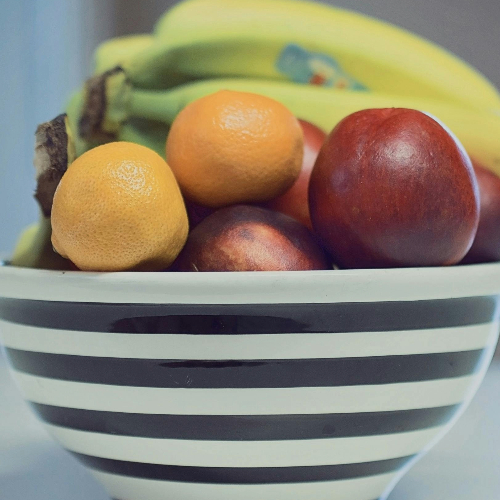
Banana nutrition
Per medium banana (about 118 g), calculated from USDA FoodData Central values:
| Nutrient | Amount |
|---|---|
| Calories | 105 kcal |
| Carbohydrate | 27 g |
| Fiber | 3.1 g |
| Sugars | 14.4 g |
| Protein | 1.3 g |
| Potassium | 422 mg |
| Magnesium | 32 mg |
| Vitamin C | 10.3 mg |
Bananas are also a good source of vitamin B6, which helps the body use energy from food.
Benefits of bananas
Potassium
Potassium helps control the balance of fluids in the body and helps the heart muscle work properly, according to the NHS. It also helps balance the effects of salt on blood pressure. A banana provides around 9% of the US Daily Value of 4,700 mg. Bananas aren’t the richest source, though: potatoes, beans, spinach and avocados provide as much or more per portion. Diets rich in fruit, vegetables and low-fat dairy, such as the DASH diet, help lower blood pressure.
Energy for exercise
Bananas provide easily digested carbohydrate, which makes them a popular snack before or during exercise. Our guide on what to eat before and after exercise explains how to fuel activity.
Fiber and gut health
A banana has about 3 g of fiber. Less ripe bananas also contain resistant starch, which isn’t digested in the small intestine and feeds gut bacteria in the large intestine. As bananas ripen, this starch turns into sugar. Our list of high-fiber foods has more options.
Convenient and cheap
Bananas come in their own packaging, need no washing, and are among the cheapest fruits, which makes them easy to include in lunchboxes and snacks.
Bananas and blood sugar
Bananas contain natural sugars and starch, so they raise blood sugar more than berries, but less than many processed snacks. Their effect depends on ripeness: greener bananas have a lower glycemic index than very ripe ones. People with diabetes can eat bananas as part of a balanced diet; choosing a smaller or slightly less ripe banana, and eating it with protein or fat, such as yogurt or peanut butter, helps. Our type 2 diabetes diet guide explains how to fit fruit in, and our guide to the glycemic index explains why ripeness matters.
Are bananas fattening?
No. At around 105 calories, a banana is a filling, nutritious snack. It’s much lower in calories than a chocolate bar or pastry.
Possible downsides
- Kidney disease: people with advanced kidney disease who’ve been told to limit potassium may need to restrict bananas. Follow your kidney team’s advice.
- Some medicines, including certain blood pressure drugs, can raise potassium levels. If you take these, ask your doctor whether you need to watch your intake.
- Keto: one medium banana has about 24 g of net carbs, close to a whole day’s allowance on strict keto. Our list of low-carb fruits has alternatives.
- Allergy: banana allergy is uncommon, but more likely in people with latex allergy.
- Migraines: very ripe bananas contain tyramine, which some people find triggers headaches.
How many bananas can I eat a day?
For most healthy people, one or two bananas a day is fine as part of a varied diet. Aim for a variety of fruit and vegetables, at least 5 portions a day, as the NHS recommends, where one banana counts as one portion.
Healthy ways to eat bananas
- Sliced on porridge or yogurt. Our overnight oats pair well with banana.
- In pancakes: our banana oat pancakes need no added sugar.
- In smoothies, where they add creaminess.
- Frozen, as a base for “nice cream”: blend frozen banana slices until smooth.
- With peanut butter on whole grain toast for a filling snack.
- In baking, to replace some of the sugar.
How to store bananas
Keep bananas at room temperature until ripe, away from other fruit if you want to slow ripening. Once ripe, you can refrigerate them: the skin turns brown but the flesh stays good for a few more days. Peel and freeze overripe bananas for smoothies and baking. Our guide on how to store fruit and vegetables explains why bananas speed up ripening of other produce.
Bananas at different stages of ripeness
| Ripeness | Taste and texture | Best for |
|---|---|---|
| Green | Firm, less sweet, more resistant starch | Cooking, or for people who want less sugar |
| Yellow | Sweet and soft | Eating as a snack, cereal and yogurt |
| Yellow with brown spots | Very sweet, soft | Smoothies, pancakes, baking |
| Mostly brown | Very soft and sweet | Banana bread, freezing for smoothies |
In some cuisines, green bananas and plantains are cooked as starchy vegetables, boiled, roasted or added to curries. Plantains are starchier than sweet bananas and are usually cooked before eating.
Common questions
Are bananas good for babies and toddlers?
Yes. Mashed ripe banana is a popular first food from around 6 months, and soft banana pieces are easy finger food. Cut them into small pieces or strips to reduce choking risk.
Are green bananas healthier?
They contain more resistant starch and less sugar, so they have a smaller effect on blood sugar, but they’re harder to digest and less sweet. Both green and ripe bananas are healthy.
Are bananas good for an upset stomach?
Many people find ripe bananas easy to eat when they have a stomach upset, as they’re soft, bland and provide potassium.
Do bananas help with cramps?
There’s little evidence that bananas prevent muscle cramps, although they do provide potassium and magnesium.
This article is general information, not medical advice. Talk to your doctor or a registered dietitian before making big changes to how you eat, especially if you have a health condition, take regular medication, or are pregnant or breastfeeding.



