Beetroot juice is rich in nitrate, which the body turns into nitric oxide, a molecule that helps blood vessels relax. In a meta-analysis of 16 trials, beetroot juice and other nitrate supplements lowered systolic blood pressure by about 4.4 mm Hg on average. A review of 23 studies in athletes found it can improve endurance by making exercise more efficient. The effects are modest and mostly short term, and the trials were small. Beetroot juice is also high in natural sugar and turns urine and stools pink, which is harmless.
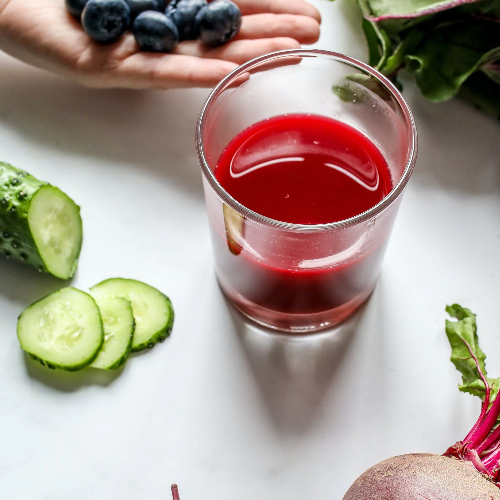
How beetroot juice works
Beetroot, like spinach, arugula and celery, is naturally high in nitrate. When you drink beetroot juice, bacteria in your mouth convert some of the nitrate to nitrite, and the body then converts it into nitric oxide. Nitric oxide widens blood vessels, which can lower blood pressure and may help muscles use oxygen more efficiently.
Beetroot juice and blood pressure
The 2013 meta-analysis in the Journal of Nutrition pooled 16 randomized trials with 254 participants. Beetroot juice or inorganic nitrate lowered systolic blood pressure, the top number, by about 4.4 mm Hg. The change in diastolic pressure, about 1.1 mm Hg, wasn’t clearly significant. Higher doses of nitrate were linked with larger drops.
There are important limits:
- Short: each lasted from 2 hours to 15 days.
- Small: each included 7 to 30 people.
- Mostly healthy participants, so results may differ in people with high blood pressure or heart disease.
The authors called for longer trials in people at higher risk. Beetroot juice may help a little as part of a healthy diet, but it isn’t a substitute for blood pressure medicine. Eating patterns such as the DASH diet, which is rich in vegetables, have stronger evidence. Our guide to the DASH diet explains it.
Beetroot juice and exercise
The 2017 review in Nutrients looked at 23 studies of beetroot juice in athletes. It concluded that beetroot juice can improve cardiorespiratory endurance by making exercise more efficient, which can improve performance over different distances and increase how long people can keep going at moderate intensity. The results weren’t consistent across all studies, and the authors noted that other supplements such as caffeine may interfere with the effect.
If you want to try it for sport, test it in training first, never for the first time before an event. For most people exercising for health, a balanced diet with plenty of vegetables matters far more. Our guide to what to eat before and after exercise covers the basics.
Whole beetroot nutrition
Per 100 g of raw beetroot, from USDA FoodData Central:
| Nutrient | Per 100 g |
|---|---|
| Calories | 43 kcal |
| Carbohydrate | 9.6 g |
| Sugars | 6.8 g |
| Fiber | 2.8 g |
| Potassium | 325 mg |
| Vitamin C | 4.9 mg |
Whole beetroot keeps its fiber, while juice loses most of it. Beetroot juice also concentrates the sugar. Like other juices, it counts as free sugar, and the NHS suggests no more than 150 ml of juice and smoothies a day. Check the label: some bottled beetroot juices are blended with apple juice to improve the taste, which adds more sugar.
Things to know before you drink it
- Pink pee and poo (beeturia): the red pigments in beetroot can color urine and stools pink or red. It’s harmless, but if you see red urine and haven’t eaten beetroot, see a doctor.
- Blood pressure medicine: if you take medicine for blood pressure or angina, ask your doctor before drinking beetroot juice regularly, as it may add to the effect.
- Kidney stones: if you’ve had calcium oxalate kidney stones, ask your doctor which foods to limit. The NIDDK explains that some people with these stones are advised to limit high-oxalate foods.
- Potassium: beetroot is a moderate source of potassium. If you’ve been told to limit potassium, ask your doctor.
- Taste: beetroot juice is earthy. Mixing it with carrot, apple, lemon or ginger makes it easier to drink.
Other foods high in nitrate
You don’t need juice to get dietary nitrate. Leafy greens are some of the richest sources:
- Arugula (rocket)
- Spinach
- Lettuce
- Celery
- Beetroot itself, roasted, boiled or grated raw
A big salad or a portion of cooked greens most days is an easy way to include them. Our guide to green foods has ideas, and our article on leafy greens explains more of their benefits.
Ways to eat more beetroot
- Roasted: wedges roasted with olive oil and thyme at 200°C (400°F) for 35 to 45 minutes.
- Grated raw into salads with carrot, apple and a lemon dressing.
- In soups, such as borscht.
- With yogurt and dill as a dip.
- In smoothies, a small piece of cooked beetroot with berries.
Common questions
Is it good to drink beetroot juice every day?
A small glass can fit a healthy diet for most people, but keep to about 150 ml because of the sugar. Whole beetroot and leafy greens give you nitrate with more fiber.
How quickly does beetroot juice lower blood pressure?
The shortest trials in the meta-analysis lasted only 2 hours, so the effect can appear quickly. The long-term effect is less clear.
Is whole beetroot as good as the juice?
Whole beetroot contains less nitrate per portion than concentrated juice, but it keeps its fiber and has less sugar per serving. For everyday health, whole beetroot and leafy greens are the better habit.
Can beetroot juice replace my blood pressure tablets?
No. Never stop or change blood pressure medicine without talking to your doctor. Beetroot juice and a healthy diet can help alongside treatment, but the effect is small compared with most medicines.
Is beetroot juice safe in pregnancy?
Pasteurized beetroot juice in normal amounts is generally fine, as part of the 150 ml daily juice limit. Avoid unpasteurized juices, and ask your midwife if you’re unsure.
This article is general information, not medical advice. Talk to your doctor or a registered dietitian before making big changes to how you eat, especially if you have a health condition, take regular medication, or are pregnant or breastfeeding.



