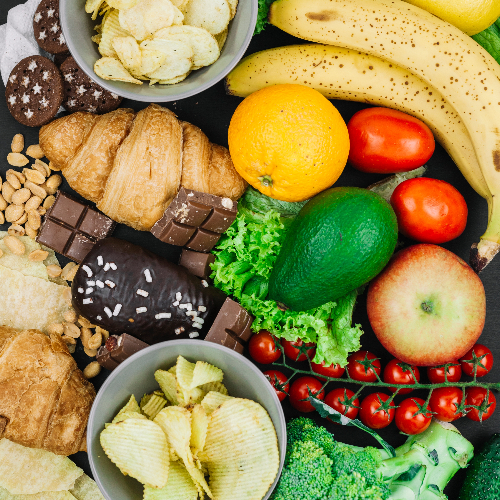
Ultra-processed foods are industrially made products that typically contain ingredients you wouldn’t use at home, such as emulsifiers, flavorings, sweeteners and modified starches. Examples include soft drinks, packaged snacks, sweets, many breakfast cereals, mass-produced bread, ready meals, and processed meats such as hot dogs and nuggets. Diets high in them are linked with higher risks of heart disease, type 2 diabetes, obesity and poor mental health. You don’t have to avoid them completely, but eating fewer is one of the most practical ways to improve your diet: cook more from basic ingredients, read ingredient lists, and swap your most frequent ultra-processed foods for less processed versions.
What counts as ultra-processed?
Most definitions come from the NOVA system, which groups foods by how much they’re processed rather than by their nutrients. Its creators describe it in a 2019 paper in Public Health Nutrition.
| NOVA group | What it means | Examples |
|---|---|---|
| 1. Unprocessed or minimally processed | Whole foods, or foods that are cleaned, cut, frozen, dried or pasteurized | Fresh and frozen fruit and vegetables, eggs, milk, plain meat and fish, rice, oats, beans, nuts |
| 2. Processed culinary ingredients | Ingredients extracted from foods and used in cooking | Oils, butter, sugar, salt, flour |
| 3. Processed foods | Group 1 foods with added salt, sugar or oil, made with a few ingredients | Canned vegetables or fish, cheese, freshly made bread, salted nuts |
| 4. Ultra-processed foods | Industrial formulations with many ingredients, often including additives not used in home cooking | Soft drinks, crisps, sweets, packaged cakes and biscuits, sweetened cereals, instant noodles, reconstituted meats, many ready meals |
The NHS explains that ultra-processed foods often include ingredients you wouldn’t usually have at home, such as preservatives, sweeteners and emulsifiers, and that not all processed foods are unhealthy, but many ultra-processed foods are high in calories, saturated fat, salt or sugar.
How to spot them
- Read the ingredients list. A long list containing things you wouldn’t find in a home kitchen, such as emulsifiers, hydrolyzed proteins, glucose syrup, flavor enhancers, colors or sweeteners, is a strong sign.
- Look at the packaging. Heavily marketed products with health claims, cartoon characters or long shelf lives are often ultra-processed.
- Ask whether you could make it at home with ordinary ingredients. If not, it’s likely ultra-processed.
What the evidence shows
They’re linked with many health problems
A 2024 umbrella review in the BMJ, which pooled 45 analyses covering almost 10 million people, found that greater exposure to ultra-processed foods was associated with higher risks for 32 health outcomes. The most convincing evidence linked them to death from heart disease, type 2 diabetes and anxiety and other common mental health problems. These were mostly observational studies, which can’t prove cause and effect, but the pattern was consistent.
They make it easy to overeat
In a controlled trial at the US National Institutes of Health, 20 adults lived on a research ward and ate either an ultra-processed or an unprocessed diet for 2 weeks each, with meals matched for calories, sugar, fat, fiber and salt on offer. They could eat as much as they liked. On the ultra-processed diet, they ate about 500 more calories a day and gained weight; on the unprocessed diet, they lost weight. Ultra-processed foods are often soft, quick to eat and energy-dense, which may make it easier to eat more before feeling full.
They often crowd out healthier foods
Diets high in ultra-processed foods tend to contain less fiber, fruit, vegetables, beans and whole grains.
Not all processed food is bad
Some processed and even ultra-processed foods can fit into a healthy diet:
- Frozen vegetables and fruit are minimally processed and just as nutritious as fresh.
- Canned beans, tomatoes and fish are convenient and healthy.
- Plain yogurt, cheese and whole grain bread are processed but nutritious.
- Some ultra-processed foods, such as certain whole grain breakfast cereals, plain fortified plant milks and wholemeal sliced bread, are better choices than others.
The aim is to reduce the least healthy ultra-processed foods, especially sugary drinks, sweets, packaged snacks and processed meats, rather than to avoid every packaged product.
How to eat fewer ultra-processed foods
- Start with drinks. Swap soft drinks and energy drinks for water, sparkling water, milk, or tea and coffee without syrups.
- Cook more meals from scratch, even simple ones such as omelets, stir-fries, soups and tray bakes. Our guide to meal prep for beginners makes it easier.
- Change your snacks. Choose fruit, nuts, plain yogurt, hummus with vegetables or homemade popcorn instead of crisps and biscuits. Our list of healthy snack ideas has more.
- Choose less processed breakfasts: porridge oats, eggs, plain yogurt with fruit, or whole grain toast instead of sugary cereals and pastries. Our guide on how to choose a healthy cereal helps if you buy cereal.
- Limit processed meats such as bacon, sausages, ham and hot dogs. The NHS advises that people who eat more than 90 g of red and processed meat a day cut down to 70 g.
- Make your own versions of foods you buy often: salad dressings, granola, soups and pasta sauces.
- Shop the edges of the store for fresh foods, and keep a list. Our healthy grocery list is a good template.
Simple swaps
| Instead of | Try |
|---|---|
| Sugary breakfast cereal | Porridge oats with fruit |
| Fruit yogurt with added sugar | Plain yogurt with fresh fruit |
| Crisps | Unsalted nuts or homemade popcorn |
| Soft drinks | Sparkling water with lemon |
| Chicken nuggets | Oven-baked chicken strips coated in breadcrumbs |
| Ready meals | Batch-cooked homemade meals from the freezer |
| Packaged cakes and biscuits | Fruit, or homemade baking with less sugar |
Common questions
Are ultra-processed foods addictive?
Some experts think highly palatable ultra-processed foods may drive overeating in ways similar to addictive behaviors, but this is still debated.
Is all bread ultra-processed?
No. Bread made with flour, water, yeast and salt is processed but not ultra-processed. Many supermarket sliced breads contain emulsifiers and preservatives, which puts them in the ultra-processed group, though wholemeal versions still provide fiber.
Do I have to cut them out completely?
No. Most people eat a mix. Reducing the least healthy ones, especially sugary drinks, sweets, snacks and processed meat, and cooking more meals at home makes the biggest difference.
This article is general information, not medical advice. Talk to your doctor or a registered dietitian before making big changes to how you eat, especially if you have a health condition, take regular medication, or are pregnant or breastfeeding.



