Healthy eating while traveling is mostly about planning a little ahead and being flexible. Pack a few filling snacks such as nuts, fruit and whole grain crackers, drink water regularly on flights and long drives, and look for meals built around protein and vegetables when you eat out. On long-haul trips, eat at local mealtimes once you arrive and go easy on caffeine and alcohol, which the NHS says can make jet lag worse. In countries where tap water or food hygiene is a concern, follow food and water safety advice to lower the risk of traveler’s diarrhea. And remember that holidays are for enjoying local food: a balanced approach most of the time leaves room for treats.
Before you go
- Plan your snacks. Pack foods that travel well and don’t need a fridge: nuts, seeds, oatcakes, rice cakes, dried fruit in small amounts, whole fruit such as apples and bananas, nut butter sachets, and roasted chickpeas.
- Bring a refillable water bottle. Empty it before airport security and refill it airside.
- Check where you’re staying. A room with a fridge or kitchenette makes breakfasts and simple meals much easier.
- Look up local food. Many cuisines have healthy staples, such as grilled fish, salads, soups, rice and vegetable dishes, beans and fresh fruit.
- If you have a medical diet, pack enough of any special foods and carry a note or card in the local language explaining your allergy or condition.
At the airport and on the plane
Airport food can be expensive and limited, but most terminals have healthier options:
- Choose: salads with protein, sushi, wraps, grilled chicken sandwiches on whole grain bread, porridge, yogurt pots, fruit and plain nuts.
- Limit: pastries, large muffins, crisps, sweets and fried food, which leave you hungry again quickly.
- On board: drink water regularly. Cabin air is dry, and staying hydrated helps you feel better on arrival. The NHS advice on water and drinks suggests 6 to 8 cups or glasses of fluid a day, and you may need more when flying.
- Move around: on long flights, walk the aisle and stretch your legs. The NHS advises staying active and walking regularly to lower the risk of blood clots.
Road trips
Pack a cool bag with sandwiches or wraps, cut vegetables, cheese, boiled eggs and fruit, plus water. Service stations often have healthier options such as salads, sushi and fruit pots. Stopping for a proper meal also gives you a break from driving. Our guide to healthy picnic food covers packing food safely.
Hotels and eating out
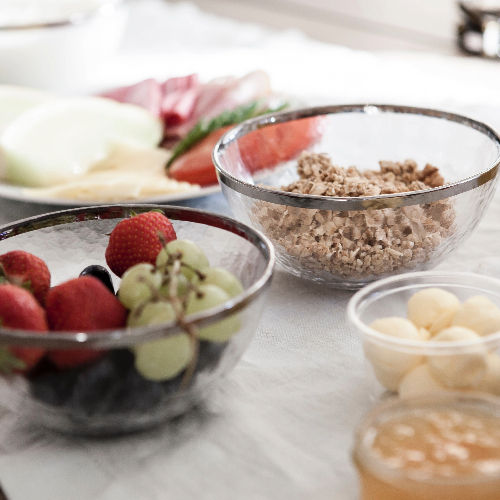
- Breakfast buffets: build a plate with eggs, yogurt, fruit, oats, whole grain bread, smoked salmon or beans, and treat pastries as an occasional extra.
- Restaurants: look for grilled, steamed or roasted dishes with vegetables or salad, and share starters and desserts. Our guide to healthier takeaways applies to restaurants too.
- Street food can be fresh and healthy, especially when it’s cooked in front of you and served hot.
- Supermarkets and markets are a cheap way to buy fruit, yogurt, bread, cheese and salads for picnics and snacks.
Jet lag and meal timing
Crossing time zones disrupts sleep, hunger and digestion. The NHS suggests changing your sleep schedule to the new time zone as quickly as possible, drinking plenty of water, and not having too much caffeine or alcohol. Eating meals at local times helps your body adjust. Light meals with protein and vegetables are easier on digestion than large, rich dinners late at night. Our guide to eating late at night explains why.
Food and water safety abroad
In countries with less reliable water treatment or food hygiene, follow these precautions, which are similar to those recommended by the US Centers for Disease Control and Prevention:
- Drink bottled water with an intact seal, or water that has been boiled or properly treated. Use it for brushing teeth too.
- Avoid ice unless it’s made from safe water.
- Eat food that’s cooked and served hot. Food that has been sitting at room temperature is riskier.
- Peel fruit yourself, or wash it in safe water.
- Be careful with raw salads, raw or undercooked seafood and meat, unpasteurized dairy and fresh juices from street stalls.
- Wash your hands or use hand sanitizer before eating.
If you get diarrhea, the most important thing is to drink plenty of fluids. Oral rehydration solutions from a pharmacy help replace lost salts. The NHS explains when to get medical help, such as if symptoms are severe, there’s blood in your stool, or you show signs of dehydration.
Staying active
Walking is one of the best ways to explore a new place. Take the stairs, walk between sights, try a local swim, hike or bike ride, and use the hotel gym if there is one. Being active helps with jet lag, digestion and mood.
Balancing treats
Trying local specialties is part of the joy of travel. Rather than strict rules, aim for balance: a healthy breakfast and lunch can leave room for a special dinner or dessert. If you’re traveling for work, keeping regular meals and sleep matters more than any single meal.
Easy healthy travel snacks
- Plain nuts and seeds. Our guide to sunflower seeds covers one option.
- Whole fruit such as apples, bananas, oranges and grapes.
- Oatcakes, rice cakes or whole grain crackers.
- Nut butter sachets.
- Cheese portions and boiled eggs (for shorter trips, kept cool).
- Homemade flapjacks or muffins with less sugar.
Our list of healthy snack ideas has more.
Common questions
How do I avoid weight gain on holiday?
Keep breakfasts and lunches simple, walk as much as you can, drink water, keep alcohol moderate, and enjoy treats without guilt. A few days of holiday eating rarely makes a lasting difference.
Can I take food through airport security?
Solid foods are usually allowed, but liquids, sauces, yogurts and spreads may be limited. Check the rules for the airport and country you’re flying to, as some countries restrict bringing in fresh fruit, meat or dairy.
What should I eat before a long flight?
A balanced, moderate meal with protein, vegetables and whole grains, and plenty of water. Avoid very large, rich or salty meals.
This article is general information, not medical advice. Talk to your doctor or a registered dietitian before making big changes to how you eat, especially if you have a health condition, take regular medication, or are pregnant or breastfeeding.