The best healthy picnic foods are ones that taste good cold, travel well and don’t need much fuss: grain and bean salads, whole grain wraps and sandwiches, cut vegetables with hummus, fruit, cheese, boiled eggs, nuts and homemade bakes. Just as important is keeping food safe. Bacteria grow quickly between 4°C and 60°C (40°F and 140°F), so the US Food and Drug Administration advises not leaving perishable food out for more than 2 hours, or 1 hour when it’s above 32°C (90°F). Pack cold food in an insulated cool bag or cooler with ice packs, keep raw meat separate, and bring hand wipes or water for washing.
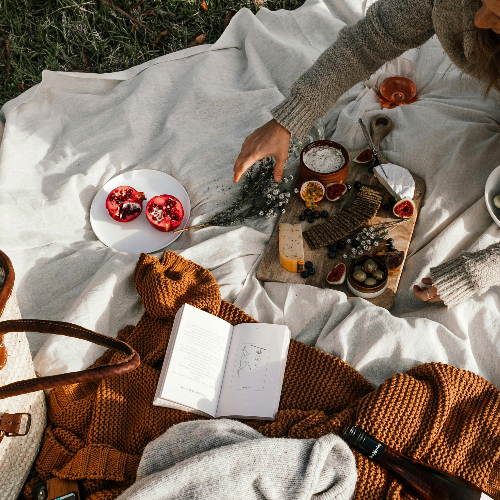
Healthy picnic food ideas
Mains
- Grain salads with quinoa, bulgur, farro or whole wheat pasta, plenty of vegetables and an oil-based dressing. Our quinoa salad and pasta salad both travel well.
- Bean and chickpea salads, such as a Mediterranean chickpea salad with cucumber, tomato and feta.
- Wraps and sandwiches on whole grain bread with chicken, tuna, egg, hummus or falafel and lots of salad. Our chicken salad wraps are an easy option.
- Frittata or Spanish omelet, cut into squares. Try our spinach and feta frittata.
- Cold roast chicken or grilled chicken skewers.
Snacks and sides
- Vegetable sticks with hummus, tzatziki or bean dip. Our article on whether hummus is healthy explains why it’s a good choice.
- Boiled eggs.
- Cheese with whole grain crackers or oatcakes.
- Olives, cherry tomatoes and cucumber.
- Unsalted nuts and seeds.
- Homemade muffins or flapjacks with less sugar, such as our apple oat muffins.
Fruit and desserts
- Watermelon wedges, grapes, berries, cherries, apples and oranges.
- A fruit salad in a sealed jar. Our fruit salad can be made ahead.
- A few squares of dark chocolate.
Drinks
Water is the best choice, especially in hot weather. Freeze bottles of water the night before; they keep food cold in the cooler and thaw into cold drinks. Fruit-infused water, iced tea without sugar and sparkling water are good alternatives. Our flavored water ideas have more.
Foods that travel well and foods to be careful with
| Travel well | Need extra care |
|---|---|
| Whole fruit and vegetables | Cut melon and fruit salads (keep cold) |
| Grain and bean salads with oil-based dressings | Mayonnaise-based salads such as potato or egg salad (keep cold) |
| Hard cheese | Soft cheese, cooked meats, smoked fish (keep cold) |
| Nuts, seeds, crackers | Cooked rice dishes (chill quickly and keep cold) |
| Bread, wraps, muffins | Raw meat and fish for grilling (keep separate and cold) |
It’s not true that mayonnaise itself is the main risk. Commercial mayonnaise is acidic; the risk comes from the foods mixed with it, such as eggs, potatoes, chicken and pasta, being left warm.
Picnic food safety
Pack it cold
- Chill food thoroughly in the fridge before packing.
- Use an insulated cooler or cool bag with plenty of ice packs or frozen water bottles. The FDA advises keeping cold food at 4°C (40°F) or below.
- Pack drinks in a separate cooler if you can, as it will be opened more often.
- Keep the cooler in the shade and the lid closed as much as possible.
- Pack food in the order you’ll use it, with raw meat at the bottom, wrapped and sealed.
Serve it safely
- Take out only what you’ll eat and put the rest back in the cooler.
- Follow the 2-hour rule: put leftovers away, or throw them out, after 2 hours, or after 1 hour in hot weather above 32°C (90°F).
- Wash your hands with water and soap, or use hand sanitizer or wipes, before eating and after handling raw meat.
- Rinse fruit and vegetables at home before packing them.
If you’re barbecuing
- Keep raw meat separate from ready-to-eat food, and use separate plates and utensils for raw and cooked food.
- Cook thoroughly. Use a food thermometer: burgers and sausages should reach 71°C (160°F) and chicken 74°C (165°F), as recommended by the USDA. Our guide to barbecue food has grilling ideas.
- Don’t reuse marinade that has touched raw meat unless you boil it first.
Who needs extra care?
Pregnant women, babies and young children, older adults and people with weakened immune systems are more likely to become seriously ill from food poisoning. Keep their food especially cold and avoid higher-risk foods such as pâté, soft cheeses and cooked meats that have been out of the fridge. Our list of foods to avoid during pregnancy has the details.
If someone feels unwell afterward
Food poisoning symptoms such as feeling sick, vomiting, diarrhea and stomach cramps usually start within a few hours or a few days of eating contaminated food. Most people get better at home within a week. Rest, and drink plenty of fluids, taking small sips if you feel sick. The NHS advises getting medical help if symptoms are severe or don’t improve, or if there are signs of dehydration, such as dark, smelly pee or peeing less than usual. Babies, older adults, pregnant women and people with weakened immune systems are more likely to become seriously ill. Hot weather also raises the risk of dehydration and heat exhaustion at picnics, so bring plenty of water and find shade.
Packing checklist
- Cooler or cool bag and ice packs
- Reusable containers with tight lids
- Plates, cups and cutlery, and a sharp knife in a cover
- Cutting board
- Napkins and kitchen paper
- Hand wipes or sanitizer and water
- Bin bags for rubbish and recycling
- Sun cream, a blanket and shade
Keep it simple and balanced
A balanced picnic follows the same pattern as a balanced meal: plenty of vegetables and fruit, a source of protein, some whole grains and a little healthy fat. Aim for a mix of colors and textures, and let treats be part of it rather than the main event. Our guide to healthy party food has more ideas for sharing.
Common questions
How long can picnic food stay out?
No more than 2 hours, or 1 hour when it’s above 32°C (90°F). After that, put it back in the cooler or throw it away.
What foods don’t need to be kept cold?
Whole fruit and vegetables, bread, crackers, nuts, dried fruit, unopened canned foods and most baked goods.
Can I take leftovers home?
Only if they stayed cold in the cooler with plenty of ice, or weren’t out for long. If the ice has melted and the food is warm, it’s safest to throw it away.
This article is general information, not medical advice. Talk to your doctor or a registered dietitian before making big changes to how you eat, especially if you have a health condition, take regular medication, or are pregnant or breastfeeding.



