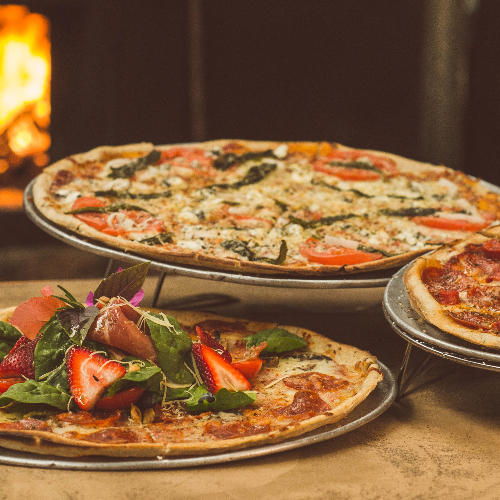
If you eat a meal high in carbohydrates on keto, such as pizza, pasta or dessert, you’ll usually drop out of ketosis within hours as your body switches back to using glucose. The scales may jump by 1 to 2 kg over the next day or two, but most of that is water stored with glycogen, not fat. Some people feel bloated, tired or crave more carbs, and returning to ketosis usually takes one to a few days of low-carb eating, sometimes with a few keto flu symptoms. One meal won’t undo your progress. The most important thing is to get back to your normal eating at the next meal, without guilt or extreme restriction.
What happens in your body
- Blood sugar rises as the carbohydrate is digested, and insulin rises to bring it down.
- Ketone production slows as the body uses glucose for fuel instead of fat.
- Glycogen stores refill in the liver and muscles. Each gram of glycogen is stored with about 3 g of water, which is why weight goes up quickly.
- You leave ketosis, often within a few hours to a day, depending on how many carbs you ate and how active you are.
How you might feel
- Bloated or puffy, from extra water and, for some people, the fiber or wheat in the meal.
- Tired or sluggish, especially after a very large meal.
- Thirsty.
- Hungrier or craving more sweet foods for a day or two.
- Fine: many people notice little difference.
Will one carb meal ruin my progress?
No. Weight loss depends on what you eat over weeks and months, not one meal. The extra weight on the scales after a high-carb meal is mostly water, and it usually comes off again within a few days of returning to low-carb eating. What matters is not turning one meal into several days of eating that you didn’t plan.
How to get back into ketosis
- Return to your usual keto meals straight away. Don’t skip meals or crash diet to make up for it.
- Keep carbs low, around 20 to 30 g of net carbs, for a few days.
- Drink water and add a little salt, as you’ll lose the extra water again.
- Move: a walk or other exercise helps use up glycogen.
- Consider a slightly longer overnight fast if it suits you, such as finishing dinner earlier, but don’t overdo it.
- Be patient. It usually takes one to three days to return to ketosis, sometimes longer after several days of higher-carb eating. Our guide to how long it takes to get into ketosis explains the timeline.
Planned carb meals and “carb cycling”
Some people deliberately include higher-carb meals, for example at celebrations or around intense exercise. This can make a low-carb lifestyle easier to maintain socially. It isn’t necessary for most people, and if you have a medical reason for following keto, such as epilepsy treatment or diabetes management, talk to your medical team before eating more carbs.
Who needs to be more careful
- People with type 1 diabetes or type 2 diabetes on insulin or other medicines: large changes in carbs affect blood sugar and medicine needs. Follow your diabetes team’s advice. People with diabetes should also know the warning signs of ketoacidosis; the NHS explains them.
- People on medical ketogenic diets for epilepsy: carbs can affect seizure control, so any changes should be agreed with the specialist team.
- People with a history of disordered eating: strict rules and guilt about “cheating” can be harmful. A more flexible approach may be healthier.
Making better choices when you do eat carbs
If you know you’ll eat carbs, for example at a party or restaurant:
- Choose whole, fiber-rich carbs such as fruit, beans, whole grains or potatoes with their skins, rather than sugary drinks and sweets.
- Eat protein and vegetables first, then the carbs.
- Keep the portion moderate and enjoy it.
- Go for a walk after eating.
Our guide to eating out on keto has tips for restaurants, and our guide to keto at Christmas and holidays covers celebrations.
Why you might crave carbs afterward
After a high-carb meal, blood sugar can rise and then fall, which can trigger hunger and cravings, especially for sweet foods. Eating a balanced keto meal with protein and fat at the next meal, drinking water and getting enough sleep usually helps the cravings pass within a day or two. Our tips on sugar cravings on keto can help.
Long-term approach
If you find yourself eating carbs often and feeling guilty, keto may be too strict for you. A moderate low-carb or Mediterranean-style diet can be easier to maintain and still offers many of the same benefits. Our comparison of keto vs low carb vs Atkins explains the options.
How many carbs knock you out of ketosis?
There’s no exact number. Most people stay in ketosis on about 20 to 50 g of net carbs a day, as Harvard’s Nutrition Source explains, and one meal with more than that, such as a restaurant plate of pasta (often 70 to 80 g of carbs) or a few slices of pizza, will usually stop ketone production for a while. Smaller amounts, such as a piece of fruit or a few new potatoes, may lower ketone levels without stopping them completely, especially if you’re active. Your own threshold depends on your size, how active you are, how long you’ve been on keto and how much protein you eat. Our guide to keto macros explains how to set a carb target.
Checking whether you’re back in ketosis
Most people don’t need to test. If you want to, a blood ketone meter is the most accurate option, and a reading of 0.5 mmol/L or more is usually taken as nutritional ketosis. Urine strips are cheaper but become less reliable after the first few weeks, as your body adapts. Breath meters fall in between. Signs such as a smaller appetite and steadier energy can be a rough guide. People with diabetes should follow their own team’s advice on ketone testing, as the safe ranges are different.
Common questions
How long does it take to get back into ketosis after a high-carb meal?
Usually one to three days of low-carb eating, depending on how many carbs you ate and how active you are.
Why did I gain 2 kg overnight?
Mostly water. Glycogen holds water, and salty restaurant meals add more. It usually goes within a few days.
Will I get keto flu again?
Some people get mild symptoms for a day or two when returning to keto, especially after several days of higher-carb eating. Water and salt help. Our guide to keto flu explains more.
Should I fast to make up for it?
There’s no need. Long fasts after a high-carb meal can start a cycle of restricting and overeating. A normal keto meal at the next mealtime is enough.
Safety note: Keto isn’t suitable for everyone. If you have diabetes, kidney or liver disease, take regular medication, or are pregnant or breastfeeding, talk to your doctor before cutting carbs this far (why it matters).
This article is general information, not medical advice. Talk to your doctor or a registered dietitian before making big changes to how you eat, especially if you have a health condition, take regular medication, or are pregnant or breastfeeding.