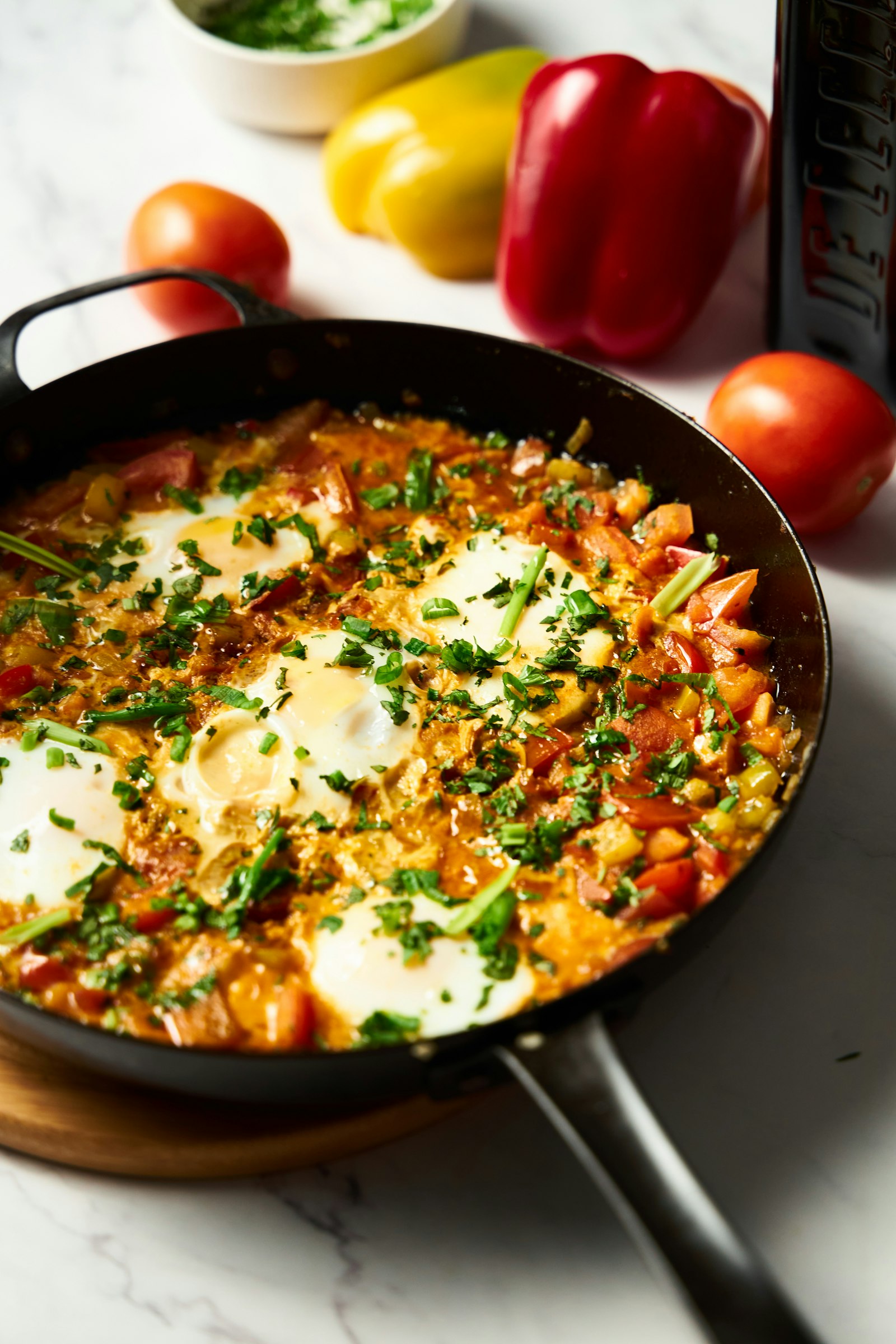
Dakos is a simple Cretan dish of crunchy barley rusks topped with juicy grated tomato, crumbled feta, olive oil and dried oregano. The rusks soften as they soak up the tomato juices but keep a little crunch, so it’s somewhere between a salad and an open sandwich. It takes 15 minutes, needs no cooking, and serves 4 as a light lunch or starter. The ingredients are few, so use the ripest tomatoes and best olive oil you can find.

- Serves: 4 as a starter or light lunch
- Prep time: 15 minutes
- Cook time: none
- Total time: 15 minutes, plus 5 minutes resting
Ingredients
- 4 barley rusks (about 40 g each), also called paximadia or dakos rusks
- 4 ripe medium tomatoes (about 400 g)
- 120 g (4 oz) feta, crumbled
- 2 tablespoons (30 ml) extra virgin olive oil
- 1 teaspoon dried oregano
- 2 teaspoons capers, rinsed
- 8 Kalamata or black olives
- A pinch of salt and black pepper
- A few fresh basil or parsley leaves, optional
Method
- Quickly run each rusk under cold water for 2 to 3 seconds, or brush both sides with water. Don’t soak them: they should soften only slightly.
- Put the rusks on a plate and drizzle each with a little of the olive oil.
- Halve the tomatoes and grate the cut sides on the coarse side of a box grater into a bowl, pressing gently, until only the skin is left in your hand. Discard the skins.
- Season the grated tomato with a small pinch of salt, as the feta, capers and olives are already salty.
- Spoon the tomato and its juices over the rusks, letting them soak in.
- Top with the crumbled feta, capers and olives.
- Sprinkle with oregano and black pepper, then drizzle with the rest of the olive oil.
- Leave for about 5 minutes so the rusks absorb the juices, then serve.
Tips
- Ripe tomatoes matter most. Dakos is at its best in summer, when tomatoes are sweet and juicy. In winter, use cherry tomatoes, which have more flavor.
- Don’t over-soak the rusks. They absorb the tomato juices as they stand and can turn mushy.
- Crumble the feta yourself from a block in brine. It’s creamier than ready-crumbled feta.
- Rub dried oregano between your fingers as you sprinkle it, to release its aroma.
- Serve on the day. Dakos is best eaten within 15 minutes of assembling.
Where to find barley rusks
Barley rusks are sold in Greek and Mediterranean shops and online. They’re very hard, dry, twice-baked bread made from barley flour, or a mix of barley and wheat. If you can’t find them, use thick slices of whole grain sourdough or rye bread, toasted in a low oven at 150°C (300°F) for 20 to 30 minutes until dry and crisp.
Swaps and variations
- Cheese: in Crete, dakos is often made with mizithra, a soft, fresh cheese. Ricotta or goat cheese also work.
- Herbs: add fresh basil, mint or a little chopped red onion.
- More vegetables: add diced cucumber or sliced peppers.
- Lower salt: use half the feta, rinse the capers well, and skip the olives or the extra salt.
- Vegan: skip the cheese and top with chopped olives and a little extra olive oil, or use a plant-based feta.
- Gluten-free: use gluten-free crispbreads.
Nutrition per serving (estimate)
One serving is one topped rusk. These figures were calculated from USDA FoodData Central values for tomatoes, feta, olive oil, dried oregano, capers, ripe olives and salt. USDA has no entry for barley rusks, so plain rye crispbread was used for the rusk, and the fiber and sodium of your rusks may be different.
| Nutrient | Per serving |
|---|---|
| Calories | 305 kcal |
| Protein | 9 g |
| Carbohydrate | 38 g |
| Fiber | about 10 g |
| Sugars | 3 g |
| Fat | 15 g |
| Saturated fat | 5 g |
| Sodium | about 800 mg |
Dakos is a good example of the traditional Mediterranean way of eating: whole grains, ripe vegetables, olive oil and a little cheese. Our Mediterranean diet for beginners guide explains the pattern. It is fairly high in salt, though, from the feta, capers, olives and rusks. Adults are advised to have no more than 6 g of salt a day, about 2.4 g of sodium, according to the NHS, so one portion provides about a third of that. The lower-salt tips above help. Our article on whether olives are healthy covers them in more detail.
Contains: gluten (barley, and often wheat in the rusks) and milk (feta).
Storage
Dakos doesn’t keep once assembled, as the rusks turn soft. Store unopened rusks in a cool, dry cupboard, where they keep for months. Grated tomato keeps in a covered container in the fridge for a day.
What to serve with it
- A Greek salad, or our stuffed tomatoes and peppers for a bigger meal.
- Grilled fish or chicken.
- Hummus, tzatziki and other dips as part of a meze spread.
Common questions
Are barley rusks healthy?
They’re a whole grain food that’s high in fiber, especially barley rusks made with wholemeal flour. They can be fairly salty, so check the label.
What’s the difference between dakos and bruschetta?
Bruschetta is Italian toasted bread, usually rubbed with garlic and topped with chopped tomato and basil. Dakos uses a hard, dry rusk that softens with grated tomato and is topped with feta and oregano.
Can I make dakos ahead?
Grate the tomato and crumble the cheese up to a few hours ahead, and keep them in the fridge. Assemble just before serving.
This article is general information, not medical advice. Nutrition figures are estimates from USDA FoodData Central and will change with the brands and amounts you use. If you follow a diet for a medical reason, check the recipe with your doctor or dietitian.