Many common garden flowers are safe to eat, including nasturtiums, pot marigold (calendula), borage, violas and pansies, roses, lavender, chive and other herb flowers, zucchini (courgette) flowers, day lilies and elderflowers. Others are poisonous, sometimes seriously, including foxglove, lily of the valley, daffodils, oleander and monkshood. The golden rules are to identify the flower with certainty, eat only flowers grown without pesticides, use mainly the petals, and start with small amounts in case of allergy. As the Royal Horticultural Society puts it, if you’re in doubt, don’t eat it. Flowers from florists and garden centers are usually treated with chemicals not meant for food.
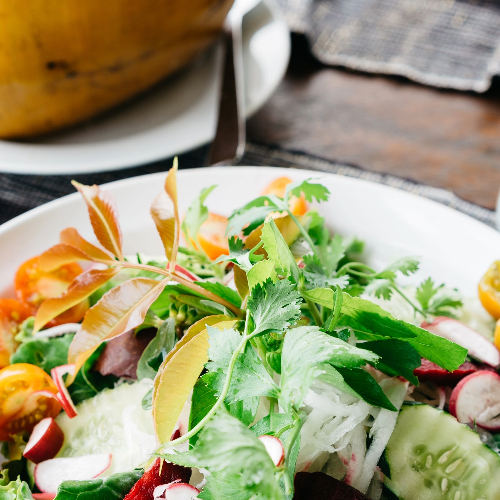
Common edible flowers
| Flower | Flavor | How to use it |
|---|---|---|
| Nasturtium | Peppery, like watercress | Salads, pasta, sandwiches; the leaves are edible too |
| Pot marigold (calendula) | Mildly peppery | Petals in salads, soups, rice and egg dishes for color |
| Borage | Light cucumber flavor | Salads, drinks, frozen in ice cubes |
| Violas and pansies | Mild, slightly grassy | Decorating cakes, salads and desserts |
| Rose | Perfumed, sweet | Petals in desserts, syrups and jams; remove the bitter white base |
| Lavender | Strong, floral | A little in baking, sugar, honey or with roast lamb |
| Chive flowers | Mild onion | Scatter on salads, eggs and potatoes |
| Herb flowers (basil, thyme, rosemary, mint) | Milder than the leaves | Salads, dressings, garnishes |
| Zucchini or squash flowers | Mild, delicate | Stuffed and baked or lightly fried |
| Day lily (Hemerocallis) | Sweet, slightly vegetal | Buds and petals in stir-fries and salads |
| Elderflower | Sweet, fragrant | Cordials and fritters, cooked or infused; other parts of the plant are not edible |
| Hibiscus | Tart, cranberry-like | Tea and syrups |
| Cornflower | Mild, slightly spicy | Petals as garnish |
| Dandelion | Slightly bitter, honey-like | Young flowers in salads or fritters, from areas free of sprays and pets |
The RHS also lists hollyhocks, scented geraniums, pea flowers, rocket and sunflowers among flowers suitable for eating.
Flowers you should never eat
Some popular garden flowers are toxic. This list isn’t complete, so never eat a flower you can’t identify.
- Foxglove (Digitalis): contains compounds that affect the heart.
- Lily of the valley: also affects the heart; all parts are poisonous.
- Daffodils and narcissus: cause vomiting and stomach upset; bulbs are often mistaken for onions.
- Oleander: highly toxic, including the flowers and leaves.
- Monkshood (Aconitum): one of the most poisonous garden plants; even handling it can cause symptoms.
- Delphinium and larkspur.
- Hydrangea, azalea and rhododendron.
- Sweet peas and wisteria: not the same as edible pea flowers.
- True lilies (Lilium): not the same as day lilies, and extremely dangerous to cats.
The RHS guide to potentially harmful garden plants notes that serious plant poisoning is uncommon but that a small number of common plants can cause severe poisoning. In the US, Poison Control has an illustrated list of poisonous and non-poisonous plants.
How to eat flowers safely
- Identify it correctly. Use the botanical name, not just the common name, as common names vary between countries and several plants can share one.
- Grow your own or buy culinary flowers. Many supermarkets and online growers sell edible flowers for cooking. The RHS advises that bedding plants not labeled for culinary use should be grown on for at least three months before harvesting, to reduce pesticide residues, and only later flowers should be eaten.
- Avoid roadside and park flowers, which may be sprayed or contaminated by traffic and animals.
- Use the petals. For larger flowers such as roses, lilies, hollyhocks and hibiscus, remove the stamens, pistils and the green base, which can be bitter or cause reactions.
- Pick at the right time. Harvest in the morning, after the dew has dried, when flowers are fully open.
- Wash gently. Swish flowers in cold water, check for insects, and dry on kitchen paper.
- Start small. Eat a few petals the first time to check you don’t react.
Allergies and other cautions
People with hay fever or pollen allergies may react to some flowers, especially those in the daisy family. The US National Center for Complementary and Integrative Health notes that people allergic to ragweed, chrysanthemums, marigolds or daisies are more likely to react to chamomile, and the same caution applies to related flowers such as calendula and chrysanthemum. Pregnant women should avoid eating large amounts of flowers that are also used as herbal remedies, and check with a doctor or pharmacist first. Small children should be taught never to eat flowers from the garden without asking an adult.
If someone eats a poisonous plant
Don’t wait for symptoms. In the UK, call NHS 111 for advice, or 999 if the person is seriously unwell, and take the plant or a photo to show doctors. The NHS advises not trying to make the person sick. In the US, call Poison Control on 1-800-222-1222. In other countries, call your local poison center or emergency number.
Are edible flowers nutritious?
They’re used in such small amounts that they add little nutrition, but they make food more appealing and can encourage people to eat more salad and vegetables. Some, such as nasturtium leaves and dandelion greens, are more substantial, and hibiscus and rose hips are used in teas. Our guide to eating the rainbow explains why colorful plants are worth including.
Ideas for using edible flowers
- Salads: scatter nasturtiums, calendula petals, borage and violas over mixed leaves, as in the salad in our photo. Our strawberry arugula salad is a good base.
- Ice cubes: freeze borage flowers or viola petals in ice cubes for drinks. Try them in our mocktails.
- Baking: decorate cakes and cookies with crystallized violas or rose petals.
- Butter: mix chopped chive flowers or nasturtium petals into soft butter.
- Infusions: make tea from dried hibiscus, chamomile or lavender, or a syrup from elderflowers.
- Stuffed zucchini flowers with ricotta and herbs, baked until golden.
Growing your own
Nasturtiums, calendula, borage, violas and chives are easy to grow from seed in pots or borders and flower for months. Grow them without chemical sprays and keep them away from areas used by pets. Our guide to growing your own food and growing herbs indoors have tips to get started.
Common questions
Are all marigolds edible?
No. Pot marigold (Calendula officinalis) is the one commonly eaten. Some marigolds in the Tagetes group are used in cooking in parts of the world, but others are not, so check the botanical name.
Can I eat flowers from a florist?
No. Cut flowers are usually grown with pesticides and treated with preservatives not intended for food.
How long do edible flowers keep?
Most last 2 to 5 days in the fridge in a sealed container lined with damp kitchen paper. Use delicate petals soon after picking.
This article is general information, not medical advice. Talk to your doctor or a registered dietitian before making big changes to how you eat, especially if you have a health condition, take regular medication, or are pregnant or breastfeeding.



