Foraging means gathering wild food such as blackberries, wild garlic, nettles, elderflowers, nuts and mushrooms. It can be a rewarding, free way to eat seasonally, but it carries real risks, because some poisonous plants and fungi look very like edible ones. The basic rules are simple: only eat something you’ve identified with complete certainty, start with a few easy, distinctive species, avoid wild mushrooms unless you’ve learned from an expert, pick only from clean areas away from roads and sprayed fields, take only a small share, and follow local laws and landowners’ rules. The Woodland Trust publishes a seasonal guide to sustainable foraging.
The golden rules
- If in doubt, leave it out. Never eat anything based on a guess, a single photo or an app alone. Check several features, such as leaves, stems, smell, flowers and habitat, against a good field guide.
- Learn from an expert. A local foraging walk or course is the best way to start, especially for fungi.
- Start with a few easy species that have no dangerous look-alikes where you live.
- Pick from clean places. Avoid roadsides, the edges of sprayed farmland, polluted water and areas used by dogs.
- Take only what you need, and never more than a small portion of a plant or patch, so wildlife and the plant itself can recover.
- Don’t uproot plants without the landowner’s permission. In many countries this is illegal, and some protected species can’t be picked at all.
- Know the local rules. Nature reserves, national parks and private land often have their own rules.
- Try a small amount first, even of a safe food, in case you react to it.
Easy foods for beginners
| Food | Season (Northern Hemisphere) | Watch out for |
|---|---|---|
| Blackberries | Late summer to early autumn | Pick above dog height; wash well |
| Wild garlic (ramsons) | Spring | Can be confused with lily of the valley and autumn crocus, which are poisonous; wild garlic smells strongly of garlic when crushed |
| Stinging nettles | Spring | Wear gloves; pick young tops; cooking removes the sting |
| Elderflowers | Early summer | Use the flowers for cordial and fritters; leaves, stems and bark are not edible |
| Elderberries | Early autumn | Cook before eating; raw berries can cause nausea and vomiting |
| Wild strawberries and raspberries | Summer | Tiny but easy to identify |
| Sweet chestnuts | Autumn | Not the same as horse chestnuts (conkers), which are poisonous |
| Dandelion leaves and flowers | Spring | Avoid areas that may have been sprayed |
| Rosehips | Autumn | Remove the irritating hairs inside before using |
| Hazelnuts | Early autumn | Easy to recognize in their papery husks |
Our guide to edible flowers covers wild and garden flowers in more detail.
Dangerous look-alikes
Some of the most poisonous plants grow in the same places as edible ones:
- Hemlock and hemlock water dropwort look like wild carrot, parsnip, parsley or celery. Both can be deadly. Beginners should avoid foraging any plant in the carrot family.
- Lily of the valley and autumn crocus can grow near wild garlic and have similar leaves.
- Foxglove leaves can be mistaken for comfrey or borage before the flowers appear.
- Horse chestnuts look like sweet chestnuts but are poisonous; sweet chestnuts have spiky husks with several flat nuts inside.
- Deadly nightshade and black bryony berries can attract children.
The Royal Horticultural Society lists potentially harmful plants that also grow wild.
Wild mushrooms
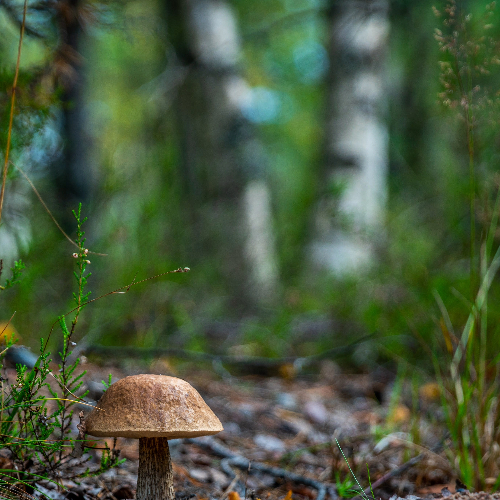
Wild mushrooms cause some of the most serious foraging poisonings. Deadly species such as the death cap and destroying angel can look like edible mushrooms, cause no symptoms for many hours, then lead to severe liver damage. There’s no simple test, such as color, smell, peeling the cap or whether animals eat it, that tells you a mushroom is safe. Only eat wild mushrooms that an experienced expert has identified in person, and cook them well. Buying cultivated or wild mushrooms from a trusted shop is the safe way to enjoy them; our guide to mushroom nutrition covers the common types.
Food safety for wild foods
- Wash everything well in clean water before eating.
- Cook nettles, elderberries and most wild greens before eating.
- Avoid water plants such as wild watercress from streams near grazing animals, which can carry parasites.
- Store foraged food in the fridge and use it within a day or two.
- Don’t feed wild foods to young children unless you’re certain of the identification, and be extra careful in pregnancy.
If someone eats something poisonous
Act quickly, even if there are no symptoms yet. In the UK, call NHS 111 for advice, or 999 if the person is seriously unwell. The NHS advises not trying to make someone sick, and taking a sample or photo of the plant or mushroom to show doctors. In the US, call Poison Control on 1-800-222-1222. In other countries, contact your local poison center or emergency number.
Foraging responsibly
- Leave plenty behind for birds, insects and other foragers.
- Avoid trampling sensitive habitats.
- Pick in moderation from common, abundant species only.
- Respect private land and ask permission where needed.
Nutrition from wild foods
Wild foods can be nutritious. Nettles and dandelion leaves are good sources of vitamins and minerals, blackberries provide fiber and vitamin C, and nuts add healthy fats and protein. The amounts most people forage are small, though, so think of foraging as a seasonal extra rather than a main source of food. Our guide to seasonal eating explains how to make the most of fresh produce year round.
Simple ways to use foraged food
- Blackberry crumble or stirred into porridge.
- Wild garlic pesto with olive oil, nuts and Parmesan.
- Nettle soup with potato and onion.
- Elderflower cordial with lemon.
- Roasted chestnuts in autumn.
Common questions
Is foraging legal?
It depends on the country and the land. In many places, picking small amounts of common wild fruit, flowers and leaves for personal use is allowed on public land, but uprooting plants, foraging on nature reserves or selling what you pick often isn’t. Check local rules.
Can I use a plant identification app?
Apps are useful for learning but can be wrong. Never rely on one alone to decide whether something is safe to eat.
What’s the safest thing to forage?
Blackberries and other common bramble fruits are among the easiest and safest for beginners, as long as you pick them from clean areas.
This article is general information, not medical advice. Talk to your doctor or a registered dietitian before making big changes to how you eat, especially if you have a health condition, take regular medication, or are pregnant or breastfeeding.



