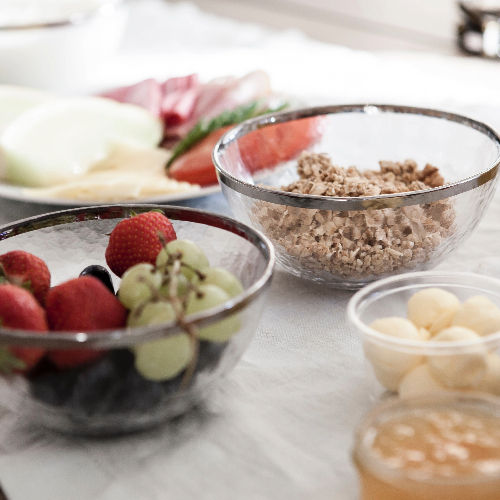
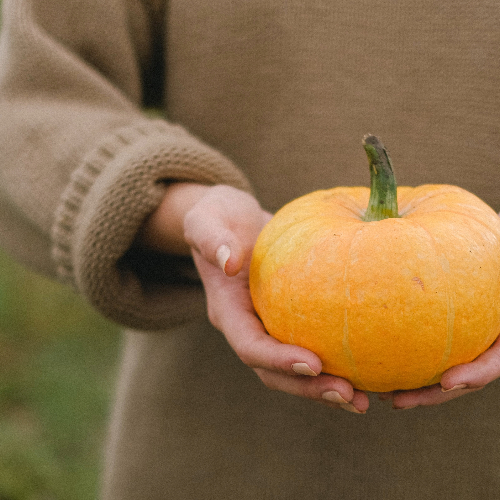
Seasonal eating means choosing fruit and vegetables at the time of year they’re naturally harvested where you live. In-season produce is often cheaper, tastes better because it’s picked riper, and may travel shorter distances. There’s no strong evidence that seasonal produce is dramatically more nutritious, and frozen and canned fruit and vegetables are healthy year-round options, but eating with the seasons is an easy way to add variety to your diet and get more flavor for your money. What’s in season depends on your climate, so check a local guide or ask at your market.

Benefits of eating seasonally
- Better flavor. Fruit and vegetables picked at peak ripeness often taste sweeter and more intense than those picked early to survive long trips to the shop.
- Lower prices. When a crop is plentiful, prices usually fall.
- More variety. Changing what you eat through the year naturally gives you a wider range of nutrients.
- Freshness. Local, in-season produce often reaches you sooner after harvest.
- Supporting local growers, if you buy from farmers’ markets, farm shops or box schemes.
Is seasonal produce more nutritious?
Sometimes, a little. Some vitamins, especially vitamin C and folate, break down over time after harvest, so produce that’s eaten soon after picking can keep slightly more. But the differences are usually modest, and how you store and cook food matters too. Frozen fruit and vegetables are typically frozen soon after harvest, so they keep their nutrients well. The NHS confirms that fresh, frozen, canned and dried produce all count toward your 5 a day. The most important thing is to eat plenty of fruit and vegetables, in season or not.
What’s in season: a general guide for temperate climates
This is a rough guide for places with four seasons, such as much of Europe and North America. Seasons are reversed in the Southern Hemisphere and very different in tropical climates.
| Season | Vegetables | Fruit |
|---|---|---|
| Spring | Asparagus, spring greens, spinach, radishes, peas, new potatoes, spring onions, rhubarb | Early strawberries, rhubarb (used as a fruit) |
| Summer | Tomatoes, zucchini, cucumbers, peppers, green beans, sweetcorn, lettuce, eggplant | Strawberries, raspberries, blueberries, cherries, peaches, plums, melons |
| Autumn | Pumpkin and squash, beetroot, cauliflower, broccoli, mushrooms, kale, leeks | Apples, pears, figs, blackberries, grapes |
| Winter | Cabbage, Brussels sprouts, carrots, parsnips, celeriac, leeks, kale | Citrus fruits such as oranges and clementines, stored apples and pears |
In tropical and subtropical regions, mangoes, papayas, pineapples, bananas, coconuts and leafy greens may be available for much of the year, with peaks during wet or dry seasons.
How to eat more seasonally
- Shop at farmers’ markets or farm shops, where most produce is local and seasonal, and ask growers what’s at its best.
- Notice prices. In supermarkets, seasonal produce is often the cheapest and most heavily promoted.
- Try a vegetable box scheme, which delivers whatever is in season.
- Plan meals around what’s in season, rather than choosing a recipe first. Our guide to meal prep for beginners helps with planning.
- Preserve the glut: freeze summer berries, make soups from autumn squash, or roast and freeze tomatoes. The FDA recommends using your freezer to keep food from going bad before you’re ready to eat it.
- Grow a few things yourself, such as herbs and salad leaves. Our guides to growing lettuce and growing herbs indoors are good places to start.
Seasonal meal ideas
- Spring: asparagus with poached eggs; pea and mint soup. Our pea soup works with frozen peas year-round.
- Summer: tomato and cucumber salads; grilled zucchini; berries with yogurt. Try our cucumber tomato salad.
- Autumn: roasted squash and pumpkin; apple and blackberry crumble with less sugar; mushroom risotto. Our pumpkin risotto is a good choice.
- Winter: cabbage and root vegetable soups; roasted carrots and parsnips; citrus salads.
Storing seasonal produce
Buy only what you’ll use, and store it well to reduce waste. Our guide on how to store fruit and vegetables explains what belongs in the fridge and what keeps better on the counter. Wash produce under running water just before eating, as the FDA advises, rather than before storing it.
Is out-of-season produce bad?
No. Imported or greenhouse-grown fruit and vegetables are healthy choices, and they make it possible to eat a varied diet all year. Frozen and canned options, such as frozen berries and spinach or canned tomatoes and sweetcorn, are cheap, nutritious and available whenever you need them. Seasonal eating is a helpful habit, not a strict rule. Our guide to healthy eating on a budget shows how to combine fresh, frozen and canned foods.
A simple seasonal shopping checklist
- Look for abundance: produce piled high at a low price is usually in season.
- Read the label for the country of origin.
- Smell and touch: ripe, in-season fruit often smells sweet and gives slightly when pressed.
- Buy what you’ll use in the next few days, and freeze the rest.
- Mix fresh with frozen and canned, especially in winter, when fewer fresh vegetables are in season.
- Try one new seasonal vegetable a month to add variety.
Common questions
Do I need to buy organic to eat seasonally?
No. Seasonal and organic aren’t the same thing. Conventionally grown seasonal produce is a healthy, often cheaper choice.
Is local food always more environmentally friendly?
Not always. Transport is only part of a food’s environmental footprint. Locally grown produce from heated greenhouses can have a larger footprint than imported field-grown produce. Eating more plants and wasting less food make a bigger difference overall.
How can I find out what’s in season near me?
Look for a seasonal food calendar from your national or regional agriculture or food agency, ask at your local market, or notice what’s cheapest and most plentiful in shops.
Are frozen vegetables as good as fresh?
Yes, nutritionally they’re very similar, and sometimes better than fresh produce that has been stored for a long time.
This article is general information, not medical advice. Talk to your doctor or a registered dietitian before making big changes to how you eat, especially if you have a health condition, take regular medication, or are pregnant or breastfeeding.