White rice can be part of a healthy diet. It’s low in fat, easy to digest, gluten-free and an affordable source of energy, and enriched white rice adds iron and folate. But because the bran and germ are removed, it has much less fiber, magnesium and potassium than brown rice: 0.4 g of fiber per 100 g cooked compared with 1.6 g, according to USDA FoodData Central. It also raises blood sugar faster. In a BMJ meta-analysis, each daily serving of white rice was linked with an 11% higher risk of type 2 diabetes, with the strongest link in Asian populations who eat it in large amounts. Moderate portions, eaten with vegetables, protein and beans, are what make the difference.
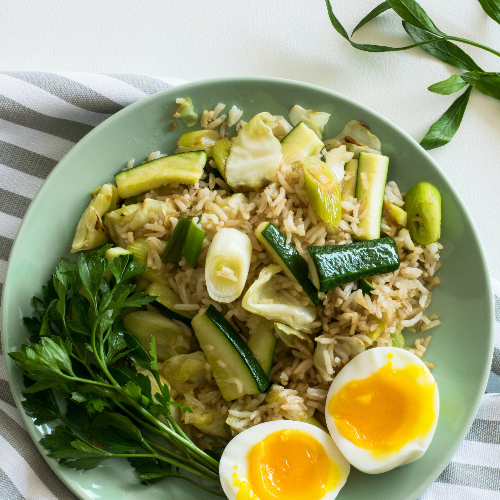
White rice vs brown rice
Per 100 g cooked, from USDA FoodData Central:
| Nutrient | White rice (enriched, long-grain) | Brown rice (long-grain) | Parboiled white rice (enriched) |
|---|---|---|---|
| Calories | 130 kcal | 123 kcal | 123 kcal |
| Carbohydrate | 28.2 g | 25.6 g | 26 g |
| Fiber | 0.4 g | 1.6 g | 0.9 g |
| Protein | 2.7 g | 2.7 g | 2.9 g |
| Magnesium | 12 mg | 39 mg | 9 mg |
| Potassium | 35 mg | 86 mg | 56 mg |
| Iron | 1.2 mg | 0.6 mg | 1.8 mg |
| Folate | 58 mcg | 9 mcg | 81 mcg |
Enriched white rice has iron and B vitamins added back after milling, so it can contain more of these than brown rice. Unenriched white rice, common in many countries, doesn’t. Brown rice keeps its natural fiber, magnesium and potassium.
Benefits of white rice
- Easy to digest. It’s often recommended during stomach upsets and for people who need a low-fiber diet for medical reasons.
- Gluten-free, so it suits people with coeliac disease.
- Low in fat and sodium when cooked plainly.
- A cheap, versatile staple that pairs well with vegetables, beans, fish and meat.
- Enriched rice contributes iron and folate in countries where it’s fortified.
The downsides
Blood sugar
White rice has a high glycemic index, meaning it raises blood sugar quickly. The BMJ meta-analysis pooled long-term research from China, Japan, the US and Australia. People in Asian countries who ate the most white rice had a 55% higher risk of type 2 diabetes than those who ate the least. In Western populations, who ate far less rice, the link was much weaker and not statistically significant. That suggests the amount matters a lot. Basmati and parboiled rice tend to have a lower glycemic index than jasmine or sticky rice. Our guide to the glycemic index explains how to use it.
Low in fiber
Most adults don’t get enough fiber, and swapping white rice for brown rice or other whole grains is an easy way to get more. Our guide to high-fiber foods lists more options.
Arsenic
Rice absorbs more arsenic from soil and water than most grains, and brown rice contains more than white because arsenic concentrates in the bran. The US Food and Drug Administration notes that cooking rice in plenty of excess water and draining it reduces arsenic, though it also removes some added vitamins from enriched rice. Eating a variety of grains, rather than rice at every meal, also helps. This is particularly relevant for young children: the NHS advises that children under 5 shouldn’t have rice drinks because of the arsenic they contain.
Types of white rice
- Long-grain (such as basmati and American long-grain): fluffy, separate grains. Basmati tends to have a lower glycemic index than many other white rices.
- Jasmine: fragrant and slightly sticky, with a higher glycemic index.
- Short-grain and sushi rice: sticky, used for sushi, risotto and puddings.
- Glutinous (sticky) rice: very sticky when cooked; used in many Asian dishes and desserts.
- Parboiled rice: partly cooked in its husk before milling, which pushes some nutrients from the bran into the grain. It’s firmer, with a little more fiber and a lower glycemic index than regular white rice.
Whichever you choose, the portion and what you serve it with matter more than the variety.
How to make white rice healthier
- Watch the portion. About 150 to 180 g cooked (roughly a cupped handful or ¾ cup) is a sensible serving for most adults.
- Fill half the plate with vegetables. Stir-fries, curries and grain bowls make this easy.
- Add protein and fat. Eating rice with fish, eggs, tofu, beans or chicken, and a little oil, slows the rise in blood sugar.
- Add beans or lentils, as in rice and beans, dal with rice, or our chickpea curry.
- Mix it up. Combine half white and half brown rice, or use quinoa, barley or bulgur sometimes.
- Choose basmati or parboiled rice more often.
- Cook it carefully and store leftovers safely; our guide on how to cook rice explains how.
Is white rice good for weight loss?
No single food causes weight gain or loss. White rice is moderate in calories, at about 130 kcal per 100 g cooked, but it’s easy to eat large portions, and it’s less filling than whole grains. Portion size and the rest of the meal matter more than the rice itself. Our guide to losing weight safely has more.
White rice and diabetes
People with diabetes don’t have to avoid rice, but portion size and pairing matter. Smaller portions of basmati or parboiled rice with plenty of vegetables and protein will affect blood sugar less than a large plate of sticky white rice. Our guide to the type 2 diabetes diet explains more, and your diabetes team can give personal advice.
Common questions
Is white rice a refined carb?
Yes. It’s a refined grain, as the bran and germ have been removed. That doesn’t make it unhealthy in moderation, but whole grains offer more fiber and nutrients.
Is white rice better than brown rice for digestion?
For people with sensitive digestion or certain bowel conditions, white rice is often easier to tolerate because it’s lower in fiber.
Is rice fattening?
Not on its own. Large portions, fried rice made with lots of oil, and rice served with rich sauces add calories. Our egg fried rice is a lighter version.
Should I rinse rice?
Rinsing removes surface starch for fluffier rice, and may slightly reduce arsenic. For enriched rice, it also washes off some of the added vitamins.
This article is general information, not medical advice. Talk to your doctor or a registered dietitian before making big changes to how you eat, especially if you have a health condition, take regular medication, or are pregnant or breastfeeding.



