Turmeric is a healthy, flavorful spice to cook with, but there isn’t enough good evidence that it, or its best-known compound curcumin, treats any health condition. The US National Center for Complementary and Integrative Health (NCCIH) says we don’t know enough to definitively conclude whether turmeric or curcumin is beneficial for any health purpose. Using turmeric in food is safe for most people. Concentrated supplements are different: they can cause stomach upset, and liver injury has been reported, especially with high-absorption products.
What is turmeric?
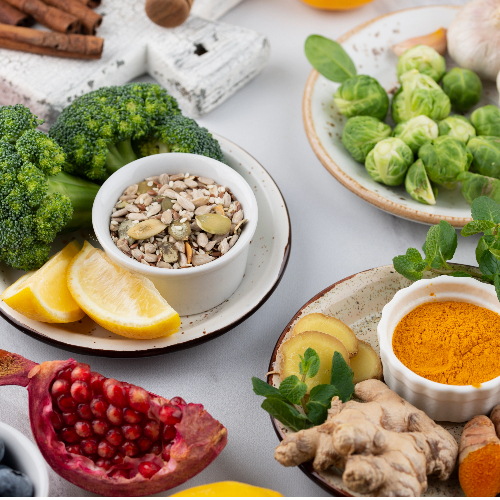
Turmeric is a bright yellow-orange spice made from the dried root (rhizome) of a plant in the ginger family. It’s a staple of South Asian cooking, giving curries, dals and rice dishes their golden color. Curcumin is the compound most often studied, and it’s the main ingredient in many turmeric supplements.
What the research shows
According to the NCCIH:
- Osteoarthritis (NCCIH): early results from studies of turmeric taken by mouth are positive, but higher-quality evidence is needed before firm conclusions can be drawn.
- Fatty liver disease (NCCIH): early research suggests some measures might improve, but it’s not clear which.
- Mouth sores from cancer treatment (NCCIH): early research suggests turmeric taken by mouth or as a mouthwash might help.
- Other conditions: the evidence is insufficient to say whether it helps.
In short, turmeric is promising in a few areas, but the evidence isn’t strong enough for any health claim. Be wary of products that say otherwise.
Why curcumin is hard to absorb
Curcumin isn’t well absorbed on its own. The NCCIH notes that adding piperine, a compound from black pepper, can improve absorption. That’s one reason many supplements combine the two, and why cooking turmeric with black pepper and a little fat is a common kitchen habit.
The NCCIH also points out that curcumin products vary in how much curcumin they actually contain, and often include other plant substances.
Is turmeric safe?
In food: using turmeric as a spice is safe for most people. The amounts used in cooking are small.
As a supplement: the NCCIH says conventional turmeric and curcumin products are likely safe at recommended amounts for up to 2 or 3 months, but they can cause:
- Nausea, vomiting and diarrhea
- Acid reflux and stomach upset
- Constipation
Liver injury has been reported, especially with formulations designed to be better absorbed. The NCCIH advises stopping turmeric or curcumin products immediately and contacting a healthcare provider if you notice symptoms such as fatigue, dark urine or yellowing of the skin or eyes (jaundice).
Pregnancy: turmeric supplements may be unsafe during pregnancy, and little is known about safety above food amounts while breastfeeding.
Medicines: talk to your doctor or pharmacist before taking any herbal supplement if you take regular medicine, because some herbs and medicines interact in harmful ways.
Turmeric supplements: what to know before buying
- In the US, supplements aren’t approved before sale, and the NCCIH notes that manufacturers are responsible for safety and labelling.
- More absorbable isn’t automatically better. Liver injury reports have been linked mainly to high-absorption products.
- Don’t use supplements to replace treatment your doctor has prescribed.
- If you decide to try one, tell your doctor, and stop if you notice side effects.
How to cook with turmeric
Ground turmeric has an earthy, slightly bitter, peppery flavor. A little goes a long way:
- Curries and dals: add 1 teaspoon to the onions and spices at the start. Our chickpea curry uses curry powder, which usually contains turmeric.
- Roasted vegetables: toss cauliflower, potatoes or carrots with olive oil, ½ teaspoon of turmeric, cumin, salt and pepper before roasting.
- Rice: add a pinch to the cooking water for golden rice.
- Eggs: stir a pinch into scrambled eggs or an omelet.
- Soups: add to lentil, carrot or pumpkin soups.
- Golden milk: warm a cup of milk or plant drink with ½ teaspoon of turmeric, a pinch of black pepper, cinnamon and a little honey.
Turmeric stains, so be careful with wooden spoons, chopping boards and clothes.
Turmeric and an anti-inflammatory diet
Turmeric is often promoted as an “anti-inflammatory” spice. The best-supported way to eat for lower inflammation is an overall pattern rich in vegetables, fruit, whole grains, nuts and oily fish, not any single ingredient. A review of 83 studies found that eating more fruit and vegetables lowered blood markers of inflammation, and Harvard Health lists leafy greens, tomatoes, olive oil, nuts, oily fish and fruit as foods that fight inflammation. Our guide to leafy greens and inflammation explains what the research on eating patterns shows, and our Mediterranean diet guide shows how to put it into practice.
Common questions
Is fresh turmeric better than ground?
Fresh turmeric root has a brighter, more gingery flavor. Either works in cooking. Grate fresh turmeric like ginger, using about 1 tablespoon of fresh for 1 teaspoon of ground.
How much turmeric can I eat in food?
Normal cooking amounts, such as a teaspoon in a curry for several people, are fine for most people. The safety concerns relate mainly to concentrated supplements.
Turmeric, ginger and other spices
Turmeric belongs to the same plant family as ginger, and the two often appear together in curries, teas and spice blends. Like turmeric, ginger is a flavorful, safe spice in cooking, but supplement claims go further than the evidence. Using a wide range of herbs and spices is a simple way to add flavor without extra salt, which helps with the WHO’s advice to keep salt under 5 g a day (WHO).
Curry powder blends usually contain turmeric along with coriander, cumin, chili and other spices, so cooking with them is an easy way to use turmeric regularly.
Can I drink turmeric tea or golden milk every day?
In normal food amounts, yes, for most people. A cup made with half a teaspoon of turmeric is a modest amount. If you’re pregnant, take regular medicines or have liver or gallbladder problems, check with your doctor before using turmeric in larger amounts or as a supplement.
Does turmeric help with weight loss?
There isn’t good evidence that turmeric helps with weight loss. A balanced diet with plenty of vegetables and whole foods, and regular activity, are what make the difference.
This article is general information, not medical advice. Talk to your doctor or a registered dietitian before making big changes to how you eat, especially if you have a health condition, take regular medication, or are pregnant or breastfeeding.



