Regular bread isn’t keto. A single slice of white or whole wheat bread contains around 12 to 20 g of carbohydrate, which can use up most of a day’s carb allowance on a strict keto diet of 20 to 50 g. Even whole grain, rye and sourdough breads, which are healthier choices on a normal diet, are too high in carbs for keto. The alternatives are homemade keto breads made with almond flour, flaxseed, eggs and psyllium husk, shop-bought “keto” or low-carb breads, or skipping bread and using lettuce wraps, cucumber slices or portobello mushrooms instead. Check labels carefully, because “low-carb” breads vary widely.
Carbs in common breads
Per 100 g, from USDA FoodData Central. A typical slice weighs 25 to 40 g.
| Bread | Calories | Carbohydrate | Fiber | Net carbs | Net carbs per 35 g slice |
|---|---|---|---|---|---|
| White bread | 266 kcal | 49.4 g | 2.7 g | 46.7 g | about 16 g |
| Whole wheat bread | 252 kcal | 42.7 g | 6 g | 36.7 g | about 13 g |
| Rye bread | 259 kcal | 48.3 g | 5.8 g | 42.5 g | about 15 g |
| French bread or sourdough | 272 kcal | 51.9 g | 2.2 g | 49.7 g | about 17 g |
A sandwich made with two slices of any of these provides 25 to 35 g of net carbs, more than many people on keto eat in a whole day. Our guide on how to calculate net carbs explains the numbers.
Is sourdough or whole grain bread keto?
No. Sourdough fermentation may slightly lower the glycemic response compared with white bread, and whole grain bread has more fiber, but both still contain about 13 to 17 g of net carbs per slice. They’re good choices on a balanced diet, not on keto.
Low-carb bread options
Homemade keto bread
Most keto breads are made from a mix of:
- Almond flour or coconut flour, which are much lower in carbs than wheat flour.
- Eggs, which bind and lift the dough.
- Psyllium husk or flaxseed, which give a bread-like, chewy texture and add fiber.
- Baking powder for rise.
Our keto bread guide has a full recipe. These breads are denser and more filling than regular bread, and a slice often has 2 to 5 g of net carbs. They’re higher in fat and calories, so watch portion sizes.
Shop-bought keto and low-carb breads
Shop-bought low-carb breads are usually made with ingredients such as wheat protein (gluten), resistant wheat starch, oat fiber, seeds and soy or lupin flour.
- Check the total and net carbs on the label. Some “low-carb” breads are only slightly lower in carbs than regular bread.
- Be aware that “net carbs” isn’t a regulated term in the US, so manufacturers calculate it in different ways.
- Test your own response if you have diabetes. Some breads made with modified wheat starch raise blood sugar more than the label suggests.
- Gluten: many keto breads contain wheat protein, so they aren’t suitable for people with coeliac disease.
Bread-free swaps
- Lettuce wraps for burgers and sandwiches.
- Cucumber slices or bell pepper halves as a base for toppings.
- Grilled portobello mushrooms as burger “buns.”
- Omelet wraps: a thin omelet rolled around a filling.
- Cloud bread: a light, airy “bread” made from eggs and cream cheese.
Keto toast toppings
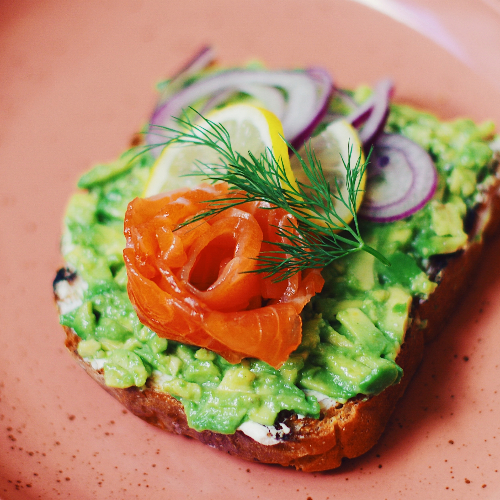
The toppings in our photo are naturally keto: avocado, smoked salmon and red onion. Other low-carb toppings for keto bread include:
- Scrambled or poached eggs with spinach.
- Cream cheese with cucumber and dill.
- Mashed avocado with chili flakes and lemon. Our article on whether avocado is keto explains why it’s such a good choice.
- Tuna mayonnaise with celery.
- Goat cheese with walnuts.
If you enjoy smoked salmon, our article on whether smoked salmon is healthy covers its salt and food safety points.
If you’re not on keto
You don’t need to avoid bread for health. The NHS recommends that starchy foods make up just over a third of what you eat, choosing whole grain varieties where you can. Whole grain, rye and seeded breads add fiber, B vitamins and minerals. If you’re cutting carbs for weight or blood sugar but not following strict keto, one slice of whole grain or rye bread with protein and vegetables can fit well.
How to read a low-carb bread label
- Check the serving size. Some low-carb breads have small, thin slices, which makes the carb count per slice look lower.
- Look at total carbohydrate and fiber. In the US, fiber is included in total carbohydrate, so net carbs are total carbs minus fiber. In the UK and EU, fiber is listed separately and isn’t included in the carbohydrate figure.
- Check the ingredients. Wheat flour, sugar, honey or syrup near the top of the list means the bread probably isn’t keto.
- Watch for sugar alcohols such as maltitol, which can raise blood sugar more than others.
- Compare protein and fiber, which make a bread more filling.
If you’re unsure, try one slice and, if you have diabetes, check your blood sugar response.
Common questions
Does toasting bread lower the carbs?
No. Toasting removes water, which makes the bread lighter and crisper, but the amount of carbohydrate in the slice stays the same.
How many slices of bread can I have on keto?
Usually none of regular bread on strict keto. One slice of a keto bread with 2 to 5 g of net carbs can fit, depending on your daily limit.
Is Ezekiel or sprouted bread keto?
No. Sprouted grain breads are slightly higher in protein and fiber, but they still contain around 12 to 15 g of net carbs per slice.
Can I eat bread on a low-carb diet that isn’t keto?
Yes. On a moderate low-carb diet of 50 to 130 g a day, one or two slices of whole grain bread can fit. Our guide to the glycemic index explains which breads raise blood sugar more slowly.
Safety note: Keto isn’t suitable for everyone. If you have diabetes, kidney or liver disease, take regular medication, or are pregnant or breastfeeding, talk to your doctor before cutting carbs this far (why it matters).
This article is general information, not medical advice. Talk to your doctor or a registered dietitian before making big changes to how you eat, especially if you have a health condition, take regular medication, or are pregnant or breastfeeding.