You can exercise on keto, and many people keep up walking, running, cycling and weight training well once they’ve adapted. But keto isn’t ideal for performance in hard, fast or high-intensity sport, because those efforts rely on carbohydrate. In a study of elite race walkers, three weeks on a ketogenic diet made them use more fat for fuel but made them less efficient and wiped out the performance gains seen with carbohydrate-based diets. For strength training, a meta-analysis found keto led to more fat loss but also slightly more loss of lean mass than non-keto diets. Expect a dip in the first few weeks, eat enough protein, and replace electrolytes.
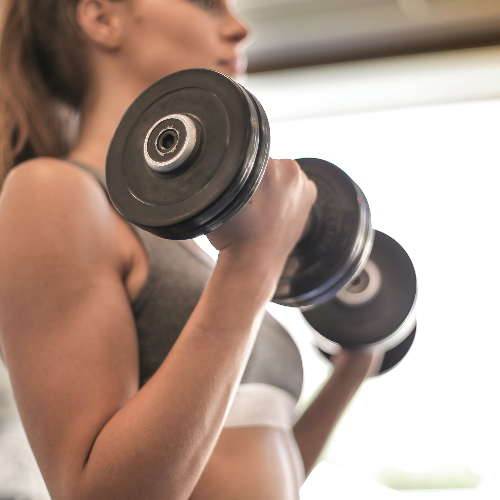
How keto changes your fuel
During exercise, muscles burn a mix of fat and carbohydrate. At low and moderate intensity, fat supplies much of the energy. As intensity rises, such as sprints, hill climbs and heavy lifting, muscles rely more on glycogen, the carbohydrate stored in muscle and liver.
On keto, glycogen stores are lower and your body adapts to burn more fat. The race walker study confirmed that on keto the body uses much more fat for fuel during exercise, across a range of speeds. The catch is that using fat for fuel takes more oxygen for the same amount of energy, so at race pace the athletes became less economical, and their performance didn’t improve the way it did on higher-carb diets.
Exercise on keto by type
| Type of exercise | How keto tends to affect it |
|---|---|
| Walking, easy jogging, easy cycling | Usually fine once adapted |
| Long, steady endurance | Often manageable at moderate pace; harder at race pace |
| High-intensity intervals, sprints, team sports | Often harder, because they rely on carbohydrate |
| Weight training | Strength is usually maintained; muscle gain may be slower |
| Yoga, pilates, stretching | Little effect |
Everyone responds differently. If performance matters to you, track how you feel and perform rather than assuming.
The first few weeks
Many people feel tired, weak or short of breath during exercise in the first 2 to 4 weeks of keto, part of what’s often called keto flu. Our guide to keto flu explains why. During this time:
- Lower the intensity and focus on easy sessions.
- Replace sodium and fluids, because keto increases salt and water loss. Our guide to keto electrolytes explains how.
- Sleep well and give yourself extra recovery.
- Don’t start a new hard training plan at the same time as starting keto.
Strength training and muscle on keto
The 2021 meta-analysis of people doing resistance training found that, compared with non-keto diets, keto led to about 3.7 kg more weight loss and 2.2 kg more fat loss, but also about 1.3 kg more loss of fat-free mass, which includes muscle, water and glycogen. Some of that difference is likely to be stored glycogen and the water held with it, rather than muscle. Strength training didn’t fully prevent the difference.
To protect muscle on keto:
- Eat enough protein, about 1.2 to 1.6 g per kg of body weight a day if you train regularly. Our guide on protein on keto has targets.
- Spread protein across the day, around 20 to 40 g per meal.
- Keep lifting with progressive overload, gradually adding weight or reps.
- Avoid a large calorie deficit, which speeds up muscle loss.
- Be patient. Strength often returns to normal after the adaptation period.
Endurance sport on keto
Some ultra-endurance athletes like keto because they rely less on gels and drinks during long events. But for most competitive athletes, especially in events with surges and sprints, research favors having carbohydrate available. A sports nutrition position stand recommends about 30 to 60 g of carbohydrate an hour during long, hard sessions over 60 to 70 minutes, which isn’t compatible with strict keto.
If you want to try keto for endurance, test it during training, not before a race, and consider a sports dietitian’s help.
What to eat around workouts on keto
- Before: usually nothing special is needed. If you train early, a small snack such as Greek yogurt, eggs or a handful of nuts can help.
- During: water for most sessions. For long sessions, an electrolyte drink without sugar, or broth.
- After: a protein-rich meal, such as eggs, chicken, fish or tofu with vegetables and some healthy fat.
Our guide to what to eat before and after exercise covers the standard approach for comparison.
Targeted and cyclical keto
Some athletes eat a small amount of carbohydrate, such as 20 to 30 g, shortly before hard sessions (“targeted keto”), or eat more carbs one or two days a week (“cyclical keto”). These approaches haven’t been well studied and can make it harder to stay in ketosis. They’re best tried with a dietitian’s guidance.
Safety tips
- Take care in the heat. Keto increases fluid and salt loss, so drink regularly and watch for signs of heat exhaustion.
- If you have diabetes, especially on insulin or sulfonylureas, exercise combined with low carbs can cause hypos. Plan with your diabetes team.
- Listen to dizziness, palpitations or unusual breathlessness, and stop if you feel unwell.
Common questions
Will keto help me lose fat while I exercise?
Many people lose weight on keto, and the meta-analysis above found more fat loss than on non-keto diets alongside strength training. A calorie deficit, enough protein and consistent exercise are what matter most.
Do I need carbs to build muscle?
You can build muscle on keto, but the meta-analysis above suggests lean mass is harder to hold on to. Enough total protein and calories, plus progressive training, are the most important factors.
Should athletes do keto?
Most competitive athletes perform better with carbohydrate available, especially in high-intensity sports. Keto may suit some ultra-endurance athletes, but it’s a personal choice best made with expert support.
Safety note: Keto isn’t suitable for everyone. If you have diabetes, kidney or liver disease, take regular medication, or are pregnant or breastfeeding, talk to your doctor before cutting carbs this far (why it matters).
This article is general information, not medical advice. Talk to your doctor or a registered dietitian before making big changes to how you eat, especially if you have a health condition, take regular medication, or are pregnant or breastfeeding.