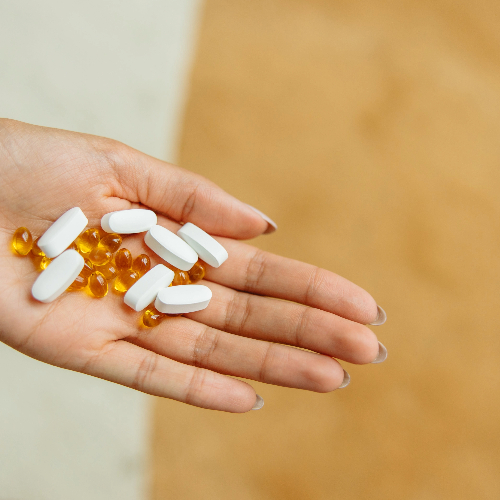
Most people on a well-planned keto diet don’t need a cupboard full of supplements. The ones worth considering are electrolytes (sodium, potassium and magnesium) in the first few weeks, a fiber supplement if food alone isn’t enough, vitamin D in winter, and possibly a multivitamin if your food choices are narrow. “Keto pills,” exogenous ketone drinks and fat-burner supplements aren’t needed and often don’t work. The US FDA warns that many weight loss pills and supplements are contaminated with dangerous hidden ingredients.
Why keto can leave gaps
Cutting most grains, fruit, beans and starchy vegetables removes some important sources of nutrients. Harvard’s Nutrition Source lists possible shortfalls on keto in B vitamins, iron, magnesium and zinc, and in the Keto-Med trial, people on keto ate less fiber, folate, vitamin C and magnesium than on a Mediterranean diet. A varied keto diet with plenty of non-starchy vegetables, nuts, seeds, fish and eggs closes most of these gaps. Supplements are for what’s left.
Our guide to keto vegetables shows the best low-carb sources of fiber, vitamins and minerals.
Supplements that can help
Electrolytes
In the first weeks of keto, your body loses more water and sodium, which can cause headaches, tiredness, cramps and dizziness, often called keto flu. Extra salt, broth, and potassium-rich foods such as avocado, spinach and mushrooms usually help. Our guides to keto electrolytes and keto flu explain how much you need. Don’t take potassium supplements unless your doctor advises it, especially if you have kidney disease or take blood pressure medicines.
Magnesium
Magnesium can run low on keto. Food sources include pumpkin seeds, almonds, spinach and dark chocolate. If you take a supplement, US guidance from the NIH Office of Dietary Supplements sets an upper limit of 350 mg a day from supplements for adults, because higher doses can cause diarrhea. Magnesium citrate or glycinate are common choices.
Fiber
Constipation is one of the most common keto side effects. Aim to get fiber from vegetables, avocado, chia, flaxseed and nuts first. If that isn’t enough, a psyllium husk supplement can help. The NHS advises increasing fiber gradually and drinking plenty of fluids. Our high-fiber foods list shows which foods fit keto best.
Vitamin D
Vitamin D is hard to get from any diet. The NHS suggests everyone consider a 10 mcg supplement in autumn and winter. That applies on keto too.
Omega-3
If you eat oily fish such as salmon, sardines or mackerel twice a week, you probably don’t need fish oil. If you don’t eat fish, the NCCIH has a guide to what omega-3 supplements can and can’t do. Algae-based omega-3 is an option for vegetarians.
A multivitamin
A standard multivitamin can be a reasonable safety net if you eat a narrow range of foods on keto. It won’t make up for a poor diet, and you don’t need high doses. Our guide on whether you need a multivitamin explains how to choose one.
Supplements to skip
“Keto pills” and “keto gummies”
These are heavily advertised online, often with fake celebrity endorsements, and promise weight loss without dieting. They don’t put you into ketosis in any meaningful way and aren’t needed. The NCCIH notes that many supplements marketed for weight loss, including “fat burners,” haven’t been tested for safety, and analyses sometimes find that labels don’t match the actual ingredients.
Exogenous ketones
Ketone salts and ketone esters raise blood ketone levels for a few hours, but drinking them isn’t the same as being in ketosis from your diet, and they’re expensive. There’s little evidence that they help with weight loss. Some people get stomach upset from ketone salts, which also contain a lot of sodium, potassium or calcium.
Fat burners
Many contain high doses of caffeine and other stimulants. The NCCIH notes that ephedra, once used in weight loss supplements, was banned in the US because of serious risks, and that some newer products contain ingredients with similar side effects.
MCT oil
MCT (medium-chain triglyceride) oil is a type of fat that the liver converts into ketones more readily than most fats. Some people on keto add it to coffee or smoothies. It’s not essential, it’s high in calories, and taking too much at once often causes stomach cramps and diarrhea. If you try it, start with a teaspoon.
Before you start any supplement
- Check with your doctor or pharmacist if you take regular medicines, are pregnant or breastfeeding, or have kidney, liver or heart disease.
- Buy from reputable sellers and avoid products that promise rapid weight loss.
- Stick to recommended doses. More isn’t better.
- Food first: supplements should fill a specific gap, not replace vegetables, nuts, seeds and fish.
Common questions
Do I need electrolyte supplements on keto?
Not always. Many people manage with extra salt, broth and potassium-rich vegetables in the first weeks. Electrolyte drinks without sugar can help if you exercise a lot or feel unwell.
Will supplements speed up weight loss on keto?
No. Weight loss depends on your overall diet and activity. Supplements that promise faster weight loss are best avoided.
How much magnesium is safe to take?
The NHS says adults need about 300 mg a day for men and 270 mg for women, and that taking 400 mg or less a day from supplements is unlikely to cause any harm. Higher doses can cause diarrhea. Nuts, seeds, spinach and avocado are good keto-friendly food sources. If you have kidney disease, don’t take magnesium supplements without your doctor’s advice, because your kidneys may not be able to clear the extra.
Is a “keto multivitamin” any different?
Usually not much. Products labeled for keto are often regular multivitamins with added electrolytes or MCT powder, and they can cost more. A standard multivitamin and mineral at no more than 100% of the daily values does the same job, if you need one at all.
Do children on medical keto diets need supplements?
Yes, usually. Ketogenic diets used to treat epilepsy are planned and monitored by a specialist dietitian and medical team, who prescribe the supplements a child needs. Don’t put a child on keto without that support.
Safety note: Keto isn’t suitable for everyone. If you have diabetes, kidney or liver disease, take regular medication, or are pregnant or breastfeeding, talk to your doctor before cutting carbs this far (why it matters).
This article is general information, not medical advice. Talk to your doctor or a registered dietitian before making big changes to how you eat, especially if you have a health condition, take regular medication, or are pregnant or breastfeeding.