Eating well when you live alone is easier with a few strategies: plan simple meals, cook in batches and freeze single portions, buy smaller amounts of fresh food and more frozen and canned basics, and use leftovers creatively so nothing goes to waste. Cooking for one can feel like too much effort, which often leads to skipped meals, toast for dinner or takeaways. But a well-stocked freezer and cupboard, plus three or four go-to recipes, make it possible to eat balanced meals in 15 to 20 minutes. Eating with others when you can also matters, especially for older adults who live alone.
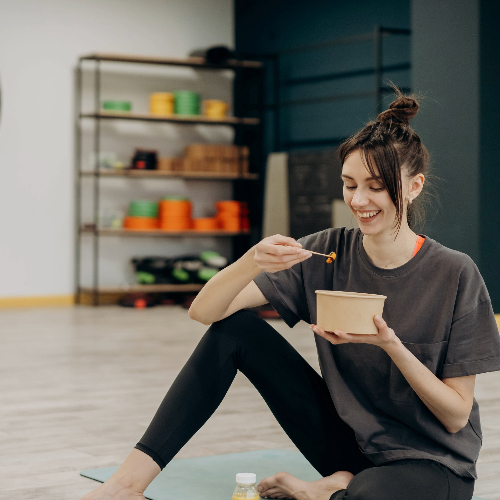
Common challenges of cooking for one
- Recipes are written for 4 people, and food goes to waste.
- Fresh food spoils before you can use it all.
- Low motivation to cook for yourself, especially after a long day.
- Eating on the sofa or standing up, which makes meals less satisfying.
- Loneliness, which can affect appetite, particularly in older age.
Smart shopping for one
- Buy loose fruit and vegetables so you get exactly what you need.
- Rely on frozen vegetables, fruit and fish, which last for months and can be used a portion at a time.
- Choose versatile ingredients that work in several meals, such as spinach, peppers, eggs, canned tomatoes and chickpeas.
- Buy family packs of meat or fish only if you’ll divide and freeze them as soon as you get home.
- Keep long-lasting staples: oats, rice, whole wheat pasta, lentils, canned beans and fish, stock cubes, eggs, onions and garlic.
- Check use-by dates and plan meals around the most perishable items first.
Our healthy grocery list can be scaled down for one.
Batch cook and freeze
Cooking a full recipe and freezing single portions gives you ready meals that are healthier and cheaper than shop-bought ones.
- Good for freezing: soups, chili, curries, bolognese, stews, and pasta bakes.
- Freeze in single portions in labeled, dated containers or freezer bags laid flat.
- Cool food quickly and freeze within a day or two of cooking.
- Thaw in the fridge overnight and reheat until steaming hot all the way through.
The FDA recommends using your freezer to keep food from going bad until you’re ready to eat it. Our guide to meal prep for beginners has a simple plan, and our chickpea curry and red lentil soup freeze well.
Quick meals for one
- Omelet with whatever vegetables and cheese you have, and a slice of whole grain toast.
- Pasta with frozen peas, spinach, a spoonful of pesto and some canned tuna or beans.
- Stir-fry with frozen mixed vegetables, an egg or tofu, and leftover rice.
- Jacket potato (microwaved, then crisped in the oven) with beans and cheese or tuna and sweetcorn.
- Grain bowl with leftover rice or quinoa, canned chickpeas, salad and a yogurt dressing.
- Salmon or cod fillet baked in foil with sliced vegetables. Our salmon foil packets are easy to make for one.
- Soup and a sandwich, from a frozen portion of homemade soup.
Using leftovers safely
- Refrigerate leftovers within 2 hours of cooking and eat them within 3 to 4 days, as the USDA advises.
- Cooked rice needs extra care: cool it within 1 hour, eat it within 24 hours and reheat it only once.
- Reheat until steaming hot, and don’t reheat food more than once.
- Turn leftovers into new meals: roast vegetables become a frittata or soup; leftover chicken goes into wraps or salads.
Our guide on how to reduce food waste at home has more ideas.
Make mealtimes enjoyable
- Sit at a table, even if it’s just you, and put your phone away.
- Use a nice plate and take your time. Our guide to mindful eating explains how it helps.
- Try a new recipe each week to keep cooking interesting.
- Cook with friends or family sometimes, or share batch cooking with a neighbor.
- Join a community lunch club, cookery class or social group, especially if you’re living alone in later life.
Eating well in later life
Older adults who live alone are at higher risk of eating too little, which can lead to weight loss, muscle loss and weakness. Signs to watch for include skipped meals, an empty fridge, loose clothes or rings, and low energy. Keeping easy, nutritious foods in stock, such as yogurt, eggs, canned fish, soups and fruit, helps on low-appetite days. If you’re worried about yourself or someone else, talk to a doctor. Our guide to healthy eating for older adults has more advice.
Balanced meals for one
A simple way to check your plate: half vegetables or salad, a quarter protein such as fish, eggs, beans or chicken, and a quarter starchy food such as whole grains or potatoes. That follows the pattern of the NHS Eatwell Guide. Our guide to building a balanced meal explains more.
A one-person weekly plan
- Sunday: cook a big pot of chili or curry; eat one portion and freeze three.
- Monday: omelet with frozen spinach and peppers, plus whole grain toast.
- Tuesday: salmon fillet baked in foil with vegetables.
- Wednesday: a frozen portion of Sunday’s chili with a jacket potato.
- Thursday: pasta with pesto, peas and canned tuna.
- Friday: stir-fry with frozen vegetables, tofu and leftover rice from earlier in the week (if cooked within the last day).
- Saturday: a meal out or with friends, or a new recipe to try.
Planning like this means one shop, very little waste, and a home-cooked meal every night with little effort.
Common questions
How can I cook for one without wasting food?
Plan meals that share ingredients, freeze portions and leftovers, and buy frozen vegetables and fruit.
Is it OK to eat the same meals often?
Yes, if they’re balanced. Varying vegetables, fruit and protein sources across the week gives you a wider range of nutrients.
What if I don’t enjoy cooking?
Keep it simple. Many healthy meals need very little cooking, such as salads with canned fish, grain bowls, omelets and soups from the freezer.
This article is general information, not medical advice. Talk to your doctor or a registered dietitian before making big changes to how you eat, especially if you have a health condition, take regular medication, or are pregnant or breastfeeding.


