Small food swaps can make a big difference over time, because you make them every day without needing to change your whole diet. The most effective swaps cut free sugars, salt and saturated fat, and add fiber, vegetables and whole grains: water or sparkling water instead of sugary drinks, plain yogurt with fruit instead of fruit yogurts, whole grain bread instead of white, olive oil instead of butter, fruit or nuts instead of biscuits and sweets, and beans or lentils in place of some of the meat in a dish. Choose two or three swaps that suit you, make them habits, then add more.
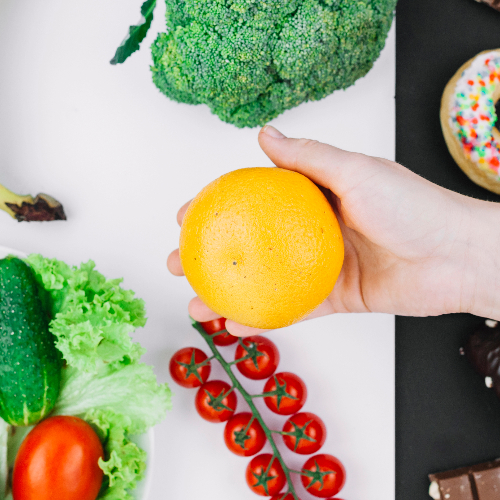
Why swaps work
Big diet overhauls are hard to keep up. A swap replaces something you already eat with a healthier version, so it fits into your existing routine. Over weeks and months, small savings add up. For example, swapping one 330 ml can of regular cola a day for sparkling water saves about 34 g of sugar a day, more than the 30 g daily limit for adults set by the NHS. Our guide to sugar in soda has the figures.
Drink swaps
| Instead of | Swap to | Why |
|---|---|---|
| Sugary soft drinks | Water, sparkling water with lemon, or no-added-sugar drinks | Cuts free sugars |
| Fruit juice with every meal | Whole fruit, and a small glass of juice occasionally | More fiber, less free sugar |
| Large flavored coffees with syrup | A latte or cappuccino without syrup, in a smaller size | Less sugar and fat |
| Energy drinks | Water, tea or coffee | Less sugar and caffeine |
| Several alcoholic drinks | Alcohol-free days, smaller measures, or alcohol-free alternatives | Fewer calories, better sleep |
Our guide to flavored water ideas makes water more interesting.
Breakfast swaps
| Instead of | Swap to |
|---|---|
| Sugary breakfast cereals | Porridge oats, shredded whole wheat, or no-added-sugar muesli |
| Fruit yogurts | Plain yogurt with fresh fruit |
| White toast with butter and jam | Whole grain toast with peanut butter, eggs or avocado |
| Pastries and croissants | Overnight oats or a whole grain bagel with egg |
Our healthy breakfast ideas have more options.
Lunch and dinner swaps
| Instead of | Swap to |
|---|---|
| White bread, rice and pasta | Whole grain bread, brown rice, whole wheat pasta |
| Creamy sauces | Tomato- or vegetable-based sauces |
| Fried chips | Oven-baked potato wedges with the skin on |
| Some of the meat in chili or bolognese | Lentils, beans or extra vegetables |
| Processed meats such as ham and salami | Chicken, fish, eggs, beans or hummus |
| Butter for cooking | Olive or rapeseed oil, in measured amounts |
| Adding salt at the table | Herbs, spices, garlic, lemon and black pepper |
| Ready meals | Batch-cooked homemade meals from the freezer |
Snack swaps
| Instead of | Swap to |
|---|---|
| Biscuits and cakes | Fruit, a small handful of unsalted nuts, or plain popcorn |
| Crisps | Vegetable sticks with hummus, or roasted chickpeas |
| Chocolate bars | A couple of squares of dark chocolate with some nuts |
| Sweets | Fresh fruit or a small portion of dried fruit with a meal |
Our list of healthy snack ideas has more.
Swaps for fats
The NHS advises cutting down on saturated fat and choosing foods with unsaturated fats instead. Easy ways to do that:
- Cooking: swap butter, lard and ghee for olive, rapeseed or sunflower oil.
- Spreads: use thin layers of butter, or a vegetable oil spread.
- Dairy: choose lower-fat milk and yogurt if you use a lot, and stronger-flavored cheese in smaller amounts.
- Meat: choose leaner cuts and trim visible fat; swap some red meat for fish or beans.
Swaps for salt
Adults should have no more than 6 g of salt a day, according to the NHS, and most of it is already in the food we buy. To cut down:
- Choose canned vegetables and beans with no added salt.
- Compare labels on bread, cereals, sauces and soups, and pick lower-salt versions.
- Cook from scratch more often.
- Flavor food with herbs, spices, citrus and garlic. Our guide to fresh herbs has ideas.
How to make swaps stick
- Start with your most frequent foods. A swap you make daily has more impact than an occasional one.
- Choose swaps you actually like. If you hate the new version, it won’t last.
- Go gradually: move from full-fat to semi-skimmed milk before skimmed, or mix white and brown rice at first.
- Make the healthier choice easy: keep fruit visible and treats out of sight.
- Give your taste buds time. Many people find they prefer less sugar and salt after a few weeks.
Our guide on making healthy eating habits stick explains more.
A day of swaps in action
Here’s how small swaps add up across a typical day:
- Breakfast: porridge with banana instead of a sugary cereal saves several teaspoons of sugar and adds fiber.
- Mid-morning: a latte without syrup instead of a large flavored coffee.
- Lunch: a whole grain wrap with chicken, hummus and salad instead of a white baguette with ham and mayonnaise.
- Afternoon: an apple and a few almonds instead of a chocolate bar.
- Dinner: a bolognese made half with lentils, served with whole wheat spaghetti and a side salad.
- Evening: sparkling water with lime instead of a soft drink or a second glass of wine.
None of these changes is dramatic, but together they cut free sugars, salt and saturated fat and add fiber, vegetables and protein, without feeling like a diet.
Common questions
Do swaps work for weight loss?
They can, especially swaps that cut sugary drinks, snacks and large portions of high-fat foods. They work best combined with regular meals and activity.
Are diet drinks a good swap for sugary drinks?
They’re better than sugary drinks for teeth and calories, and they can help as a stepping stone. Water is still the best everyday drink.
Is brown sugar or honey healthier than white sugar?
Not really. They’re all free sugars. It’s better to reduce the total amount.
What’s the single most useful swap?
For many people, swapping sugary drinks for water. It cuts a lot of sugar without changing your meals.
This article is general information, not medical advice. Talk to your doctor or a registered dietitian before making big changes to how you eat, especially if you have a health condition, take regular medication, or are pregnant or breastfeeding.



