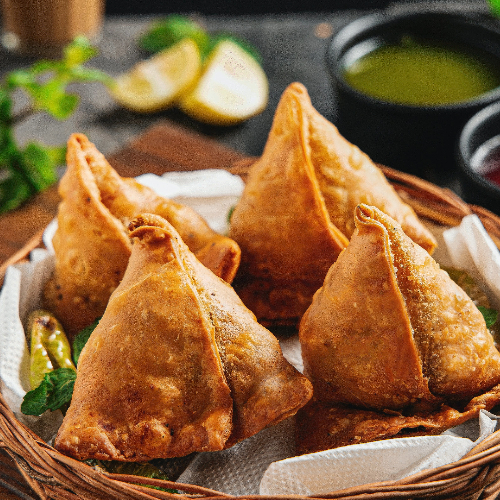
Indian food can be very healthy. Traditional home cooking is built on dals, beans, vegetables, whole grains, yogurt and spices, and many dishes are naturally rich in fiber and plant protein. The less healthy side tends to come from deep-fried snacks such as samosas and pakoras, rich restaurant curries made with cream, butter and ghee, large portions of white rice and naan, and sweets made with sugar and ghee. Healthier choices include tandoori and tikka dishes, dal, chana masala, vegetable curries, raita, chapati and brown or basmati rice in sensible portions. This matters for health: people of South Asian heritage have a higher risk of type 2 diabetes, so small changes can make a big difference.
Why it matters
Diabetes UK says type 2 diabetes is two to four times more likely in people of South Asian descent, and that the risk starts to rise from age 25 rather than 40. Diets high in refined carbohydrates, sugar and saturated fat can add to that risk, while diets rich in fiber, legumes and vegetables help lower it. Our guide to the prediabetes diet explains how to reduce your risk.
Healthier choices at a glance
| Choose more often | Choose less often |
|---|---|
| Tandoori or tikka chicken, fish or paneer (grilled) | Creamy curries such as korma, pasanda and butter chicken |
| Dal, chana masala, rajma (bean curry) | Deep-fried samosas, pakoras and bhajis |
| Vegetable curries such as saag, bhindi, baingan bharta | Dishes swimming in ghee or oil |
| Plain chapati or roti | Naan, especially garlic, butter or peshwari naan |
| Plain boiled basmati or brown rice | Pilau or biryani made with lots of oil |
| Raita, kachumber salad | Poppadoms with sweet chutneys |
| Fresh fruit, lassi without added sugar | Gulab jamun, jalebi and other syrupy sweets |
Tips for eating out or ordering in
- Start with a salad or grilled starter, such as chicken tikka, instead of fried samosas and pakoras.
- Choose tomato- and onion-based curries, such as jalfrezi, bhuna or madras, over cream- or coconut-heavy ones.
- Have one serving of rice or bread, not both, and choose plain boiled rice or chapati.
- Add a dal or vegetable side for fiber.
- Share dishes to keep portions moderate.
- Go easy on poppadoms and sweet chutneys, which add fat, salt and sugar.
Our guide to healthier takeout has tips for other cuisines.
Tips for healthier home cooking
- Measure the oil or ghee. A tablespoon or two is enough for a family-sized curry. Ghee and butter are high in saturated fat, which the NHS advises limiting to 30 g a day for men and 20 g for women; use rapeseed or sunflower oil for everyday cooking.
- Load up on vegetables: add spinach, cauliflower, peas, peppers, okra and eggplant to curries and dals.
- Make lentils and beans a staple. Dal, chana and rajma are cheap, filling and high in fiber. Our guide to beans and legumes explains why they’re so good for you.
- Choose whole grains: whole wheat chapatis, brown basmati rice, millet (bajra, ragi) and oats.
- Use yogurt instead of cream to make sauces creamy. Stir it in off the heat to stop it splitting.
- Bake or air fry snacks such as samosas and pakoras instead of deep frying.
- Cut back on salt in cooking, and use spices, garlic, ginger, lemon and fresh herbs for flavor. Adults are advised to have no more than 6 g of salt a day, according to the NHS.
- Watch portion sizes of rice and bread. A good guide is a quarter of your plate.
- Cut sugar in drinks: masala chai made with less sugar, or with spices alone.
Our chickpea curry and red lentil soup are easy, healthy starting points.
Spices: flavor, not medicine
Indian cooking uses spices such as turmeric, cumin, coriander, ginger and chili. They add flavor without salt or fat, which is a real health benefit. Claims that spices such as turmeric treat disease are mostly based on lab experiments and high-dose supplements, as our guide to turmeric benefits explains, so enjoy them for taste rather than as medicine.
A healthier Indian meal plan
- Breakfast: vegetable poha or upma, or moong dal chilla with yogurt.
- Lunch: dal with spinach, a whole wheat chapati and kachumber salad.
- Snack: roasted chana (chickpeas) or fruit.
- Dinner: tandoori fish or tofu with a vegetable curry, raita and a small portion of brown rice.
Healthier swaps for favorite dishes
- Butter chicken or tikka masala: choose chicken tikka or tandoori chicken with a tomato-based sauce, or make it at home with yogurt instead of cream.
- Korma: try a vegetable jalfrezi, chana masala or dal.
- Pilau rice: choose plain boiled basmati rice, or half rice and half cauliflower rice.
- Garlic naan: swap for a plain chapati or roti.
- Onion bhajis: try roasted spiced vegetables or a kachumber salad.
- Mango lassi: choose a plain lassi or a small portion of fruit.
- Gulab jamun: have fresh fruit, or share a sweet as an occasional treat.
These swaps keep the flavors you love while cutting saturated fat, sugar and calories. Our guide to healthy fats explains why replacing ghee and cream with vegetable oils and yogurt matters for heart health.
Common questions
Is Indian takeaway healthy?
It can be, if you choose grilled or tandoori dishes, tomato-based curries, dal and vegetables, with plain rice or chapati, and skip fried starters and creamy sauces. Portion sizes from takeaways are often large, so consider sharing.
Is ghee healthier than butter?
Not really. Both are mostly saturated fat. Use either in small amounts and cook with vegetable oils most of the time.
Are samosas unhealthy?
Deep-fried samosas are high in fat and calories. Baked or air-fried versions with a vegetable or lentil filling are a lighter alternative.
Is basmati rice healthy?
Basmati has a lower glycemic index than many other white rices, and brown basmati adds fiber. Keep portions moderate and serve with dal and vegetables. Our guide to the glycemic index explains why.
This article is general information, not medical advice. Talk to your doctor or a registered dietitian before making big changes to how you eat, especially if you have a health condition, take regular medication, or are pregnant or breastfeeding.