Prediabetes means your blood sugar is higher than normal but not yet high enough to be type 2 diabetes. It’s a warning sign, and the good news is that diet and lifestyle changes can often stop it progressing. In the landmark Diabetes Prevention Program trial, a lifestyle program focused on modest weight loss and regular activity reduced the number of people who developed type 2 diabetes by 58% over about 3 years, compared with placebo. The changes that help most are losing a little weight if you’re overweight, cutting sugary drinks and refined carbohydrates, eating more fiber and vegetables, choosing healthy fats, and being active most days.
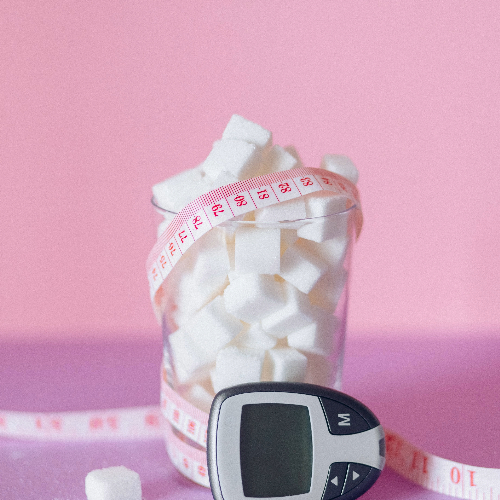
What is prediabetes?
Prediabetes, also called non-diabetic hyperglycemia, impaired glucose tolerance or impaired fasting glucose, is diagnosed with a blood test. Doctors usually use HbA1c, which reflects your average blood sugar over the past 2 to 3 months.
| Test | Normal | Prediabetes | Type 2 diabetes |
|---|---|---|---|
| HbA1c (UK) | Below 42 mmol/mol (6.0%) | 42 to 47 mmol/mol (6.0 to 6.4%) | 48 mmol/mol (6.5%) or above |
| HbA1c (US) | Below 5.7% | 5.7 to 6.4% | 6.5% or above |
Prediabetes usually has no symptoms. Symptoms such as feeling very thirsty, peeing more than usual and feeling very tired, which the NHS lists for type 2 diabetes, are a reason to see your doctor promptly.
Who’s at risk?
- Being overweight, especially carrying weight around the waist.
- A family history of type 2 diabetes.
- Being of South Asian, Chinese, African-Caribbean or Black African heritage.
- Being older, particularly over 40, or over 25 for some ethnic groups.
- Having had gestational diabetes or polycystic ovary syndrome.
- High blood pressure and an inactive lifestyle.
What the evidence shows
In the US Diabetes Prevention Program, more than 3,000 adults with prediabetes were assigned to an intensive lifestyle program, metformin or a placebo. The lifestyle program aimed for about 7% weight loss and at least 150 minutes of activity a week. Lifestyle changes reduced the incidence of type 2 diabetes by 58%, and metformin by 31%. Only about 7 people needed to follow the lifestyle program for 3 years to prevent one case of diabetes.
Diet changes that help
Lose a little weight, if you need to
Even 5% to 7% of your body weight, such as 4 to 6 kg for someone weighing 85 kg, can make a meaningful difference. The NHS advises aiming to lose 0.5 to 1 kg a week. Our guide on how to lose weight safely explains how.
Cut sugary drinks and free sugars
Sugary drinks raise blood sugar quickly and add calories without filling you up. Swap them for water, sparkling water, tea or coffee without sugar. Keep sweets, cakes and biscuits for occasional treats. Our guide on how much sugar per day explains the limits.
Choose high-fiber, slower-release carbohydrates
Swap white bread, white rice and sugary cereals for whole grains, oats, beans, lentils and vegetables. These raise blood sugar more slowly. Our guide to the glycemic index explains why.
Fill half your plate with vegetables
Non-starchy vegetables add fiber and volume with few calories and little effect on blood sugar. Our guide to building a balanced meal shows the proportions.
Include protein and healthy fats
Fish, eggs, beans, nuts, yogurt and lean meat help keep you full. Choose olive oil, nuts and oily fish over butter, fatty meat and processed meat.
Eat whole fruit, not juice
Whole fruit is linked with a lower risk of type 2 diabetes, while fruit juice is linked with a higher risk, according to a large BMJ study. Our list of low-sugar fruits helps you choose.
Limit alcohol
Alcohol adds calories and can affect blood sugar. Keep within recommended limits.
A sample day
| Meal | Example |
|---|---|
| Breakfast | Porridge made with milk, topped with berries and a few walnuts |
| Lunch | Lentil and vegetable soup with a slice of whole grain bread |
| Snack | An apple with a small handful of almonds |
| Dinner | Grilled salmon or tofu with roasted vegetables and a small portion of brown rice |
| Drinks | Water, tea or coffee without sugar |
Beyond diet
- Move more: aim for at least 150 minutes of moderate activity a week, such as brisk walking, plus strength exercises twice a week.
- Sleep well: short sleep is linked with higher blood sugar.
- Stop smoking, which increases the risk of type 2 diabetes.
- Get support: in the UK, the NHS Diabetes Prevention Programme offers free lifestyle support to eligible people; in the US, CDC-recognized lifestyle programs are available in many areas.
- Recheck your blood sugar as your doctor advises, usually every year.
Is a low-carb or keto diet a good idea?
Lower-carbohydrate diets can improve blood sugar in the short term, and some people find them helpful for weight loss. But the best evidence for preventing type 2 diabetes comes from moderate, sustainable changes, as in the Diabetes Prevention Program. If you want to try keto, talk to your doctor first, especially if you take medicines. Our article on keto and insulin resistance explains the evidence.
Shopping list for prediabetes
- Vegetables: leafy greens, broccoli, cauliflower, peppers, tomatoes, zucchini, frozen mixed vegetables.
- Fruit: berries, apples, pears, citrus, kiwi.
- Whole grains: porridge oats, whole grain bread, brown rice, whole wheat pasta, barley.
- Protein: eggs, fish, chicken, beans, lentils, chickpeas, tofu, plain Greek yogurt.
- Healthy fats: olive oil, nuts, seeds, avocado.
- Drinks: water, sparkling water, tea and coffee.
Our healthy grocery list has a fuller version.
Common questions
Can prediabetes be reversed?
Often, yes. Many people bring their blood sugar back into the normal range with weight loss, diet changes and activity, though it can rise again if habits slip.
Do I need medicine for prediabetes?
Not usually. Lifestyle changes are the first step. In some cases, doctors may prescribe metformin, particularly for people at very high risk.
Can I still eat carbs?
Yes. Focus on the type and amount: whole grains, beans, vegetables and fruit in sensible portions, and fewer sugary and refined carbohydrates.
This article is general information, not medical advice. Talk to your doctor or a registered dietitian before making big changes to how you eat, especially if you have a health condition, take regular medication, or are pregnant or breastfeeding.


