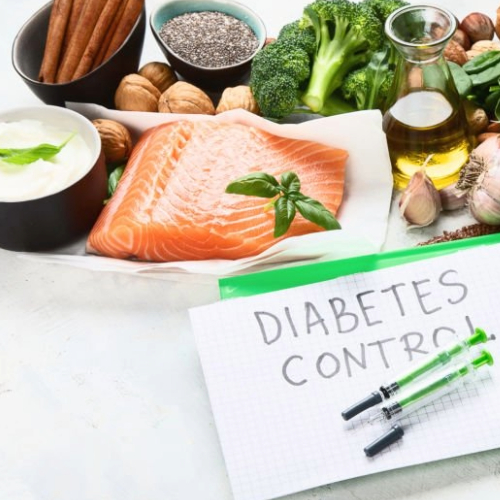
A healthy diet for type 2 diabetes is built on non-starchy vegetables, whole grains, beans and lentils, fruit, nuts, fish, lean protein and healthy oils, with smaller portions of starchy foods and less sugar, refined carbohydrate, processed meat and salt. There’s no single “diabetes diet”: low-carb, Mediterranean and calorie-reduced approaches can all lower blood sugar. Losing weight, if you’re carrying extra, has some of the biggest effects, and in the DiRECT trial almost half of people on a supervised weight loss program were in remission after a year. Plan bigger changes with your diabetes team, especially if you take insulin or tablets that can cause hypos.
The basics
The NHS advises people with type 2 diabetes to eat a healthy diet including fruit, vegetables, wholegrain foods such as wholemeal bread and oats, and pulses such as chickpeas and lentils, and to lose weight if they’ve been told they’re overweight. A simple way to put that into practice is the plate model:
| Part of the plate | Examples |
|---|---|
| Half: non-starchy vegetables | Salad, broccoli, green beans, peppers, cauliflower, mushrooms, tomatoes, leafy greens |
| A quarter: protein | Fish, chicken, eggs, tofu, beans, lentils, Greek yogurt |
| A quarter: carbohydrate, mostly whole grain | Brown rice, whole grain bread, oats, quinoa, new potatoes with skins, whole wheat pasta |
| A little healthy fat | Olive or rapeseed oil, nuts, seeds, avocado |
| Drink | Water, unsweetened tea or coffee |
Our guide to building a balanced meal explains the plate model in more detail.
Carbohydrates: quality and quantity both matter
Carbohydrate has the biggest direct effect on blood sugar after a meal. Diabetes UK groups carbs into starches (bread, rice, pasta, potatoes, cereals), sugars (fruit, some dairy foods, sweets and sugary drinks) and fiber, which you can’t digest and which helps manage blood glucose and cholesterol.
Choose slower carbs. Whole grains, beans, lentils and most fruit raise blood sugar more gently than white bread, white rice, sugary cereals and sweets. Our guide to the glycemic index explains why.
Watch the portion. Even healthy carbs raise blood sugar. A fist-sized portion of rice or pasta per meal is a common starting point. Many people with diabetes count or estimate their carbs, which Diabetes UK notes can help with blood sugar and weight.
Get plenty of fiber. A large Lancet review linked higher fiber intake with lower risks of type 2 diabetes, heart disease and stroke, with the biggest benefits at 25 to 29 g a day. Our high-fiber foods list shows how to get there.
Fruit: yes, but whole
Fruit is part of a healthy diabetes diet. In a large BMJ study, eating more whole fruit, especially blueberries, grapes and apples, was linked with a lower risk of developing type 2 diabetes, while fruit juice was linked with a higher risk. Juice raises blood sugar quickly because the fiber is gone. Spread fruit through the day, one portion at a time, and pair it with yogurt or nuts.
Drinks
- Choose water, sparkling water, unsweetened tea or coffee.
- Avoid sugary drinks. A meta-analysis of more than 310,000 people found 1 to 2 sugary drinks a day were linked with a 26% higher risk of type 2 diabetes. They also raise blood sugar fast if you already have it. Our article on sugar in soda shows how much a can contains.
- Limit alcohol. Diabetes UK explains that alcohol can cause hypos in people taking insulin or sulfonylureas, sometimes hours later. Our guide to calories in alcohol covers the other effects.
Fats, protein and salt
People with type 2 diabetes have a higher risk of heart disease, so heart-healthy eating matters as much as blood sugar:
- Choose unsaturated fats, such as olive oil, nuts, seeds and oily fish, over butter, ghee, fatty meats and pastries.
- Eat oily fish such as salmon, sardines or mackerel once or twice a week.
- Include plant proteins, such as beans, lentils, chickpeas and tofu, which also add fiber.
- Limit processed meat such as bacon, ham and sausages.
- Cut down on salt. The WHO recommends less than 5 g a day. Most comes from processed and restaurant foods.
Our guide to heart-healthy eating covers this in more depth.
Which diet works best?
Several approaches can work:
- Mediterranean-style eating: vegetables, whole grains, legumes, fish, nuts and olive oil. Our beginner’s guide explains it.
- Lower-carb eating: Diabetes UK says a low or lower carb diet has helped some people with type 2 diabetes lose weight, lower their HbA1c and reduce their medication. In a 2021 BMJ review, low-carb diets led to more remission at 6 months than control diets, but the advantage faded by 12 months. Our article on keto and type 2 diabetes covers this in detail.
- Low-calorie programs: in the DiRECT trial, a supervised low-calorie program using meal replacement shakes put almost half of participants into remission at 12 months.
The best choice is the one you can keep up. The NHS warns against starting a very strict, low-calorie diet without talking to a health professional first, because it may not be suitable if you take insulin or other diabetes medicine.
If you take diabetes medicine
Changing what you eat can change your blood sugar quickly. If you take insulin or sulfonylureas such as gliclazide, cutting carbs or skipping meals can cause hypos. The NHS lists sweating, shaking, hunger, irritability and blurred vision as warning signs, and advises treating a reading below 4 mmol/L with something sugary. Talk to your team before big changes, and check your blood sugar more often while you adjust.
A sample day
| Meal | Example |
|---|---|
| Breakfast | Porridge made with milk, topped with berries and a spoonful of nuts |
| Lunch | Lentil soup with a slice of whole grain bread and a side salad |
| Snack | Plain Greek yogurt or an apple with a few almonds |
| Dinner | Baked salmon with roasted vegetables and a small portion of new potatoes |
Common questions
Do I need special “diabetic” foods?
No. Foods marketed for people with diabetes are usually expensive and offer no real benefit. Many contain sugar alcohols, which can cause stomach upset.
Can I still eat sugar?
Small amounts as part of a balanced meal are usually fine. Sugary drinks, sweets and desserts are best kept occasional.
Is rice off the menu?
No. Choose brown or basmati rice, keep the portion to about a quarter of your plate, and fill the rest with vegetables and protein.
How often should my diet be reviewed?
Ask for a review with a dietitian or your diabetes team when you’re diagnosed, and whenever your medicine, weight or blood sugar changes.
This article is general information, not medical advice. Talk to your doctor or a registered dietitian before making big changes to how you eat, especially if you have a health condition, take regular medication, or are pregnant or breastfeeding.