Yes, eggplant (aubergine) is good for you. It’s very low in calories, with about 25 kcal per 100 g raw, and provides fiber, potassium, folate and plant compounds such as nasunin, the purple pigment in its skin. Its spongy flesh soaks up flavors, which makes it a satisfying, meaty ingredient in vegetarian dishes. The catch is that it also soaks up oil: fried eggplant can absorb a lot of fat, so roasting, grilling or baking with a measured amount of oil is healthier. Eggplant is a nightshade, like tomatoes and peppers, but there’s no good evidence that nightshades cause inflammation for most people.
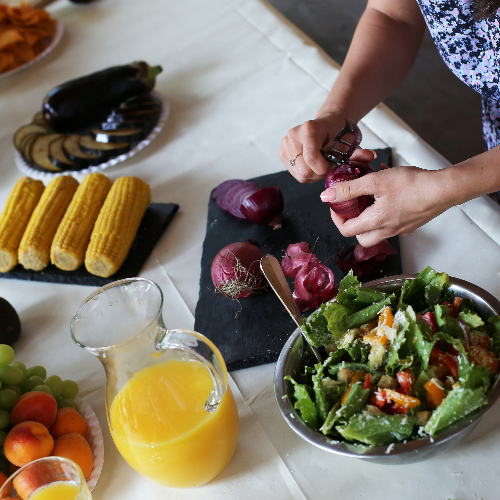
Eggplant nutrition
Per 100 g (3½ oz), from USDA FoodData Central:
| Nutrient | Raw eggplant | Boiled eggplant |
|---|---|---|
| Calories | 25 kcal | 35 kcal |
| Carbohydrate | 5.9 g | 8.7 g |
| Fiber | 3 g | 2.5 g |
| Sugars | 3.5 g | 3.2 g |
| Protein | 1 g | 0.8 g |
| Potassium | 229 mg | 123 mg |
| Folate | 22 mcg | 14 mcg |
Eggplant isn’t especially rich in any single vitamin, but it’s a low-calorie, high-fiber vegetable that adds bulk and texture to meals. A whole medium eggplant, about 450 g, has only around 110 calories before cooking.
Benefits of eggplant
Fiber
With 3 g of fiber per 100 g raw, eggplant helps you toward the 30 g a day recommended by the NHS. Fiber supports digestion and helps you feel full. Our list of high-fiber foods has more.
Plant compounds in the skin
The deep purple skin contains anthocyanins, including nasunin, which act as antioxidants in lab tests. Eating the skin, rather than peeling it, gives you the most of these compounds. As with most antioxidant claims, it’s hard to say how much difference they make on their own, but they’re part of the value of eating colorful vegetables.
Good for weight management
Eggplant is filling and very low in calories when cooked with little oil. It can replace some meat in dishes such as moussaka, curries and pasta sauces, or stand in for pasta sheets in a low-carb lasagna. Our guide to keto pasta alternatives shows how.
Part of healthy traditional diets
Eggplant is a staple of Mediterranean, Middle Eastern and South Asian cooking, in dishes such as baba ganoush, ratatouille, imam bayildi and baingan bharta. Our Mediterranean diet guide explains why these cuisines are linked with good health.
Downsides of eggplant
It absorbs oil
Raw eggplant is spongy and full of air pockets, so it soaks up oil when fried. A tablespoon of oil adds about 120 calories, and fried eggplant can absorb several. To keep it lighter:
- Roast or grill slices or cubes brushed with a measured amount of oil.
- Salt it first: sprinkle slices with salt, leave for 20 to 30 minutes, then rinse and pat dry. This draws out water and makes the flesh denser, so it absorbs less oil. It isn’t needed to remove bitterness from most modern varieties.
- Microwave or steam briefly before frying, which collapses the air pockets.
Nightshades
Eggplant belongs to the nightshade family, along with tomatoes, peppers and potatoes. You may read that nightshades worsen arthritis or inflammation, but there’s no good evidence for this in most people. If you think a food triggers your symptoms, a food and symptom diary and a talk with your doctor are better than cutting out whole groups of vegetables.
Allergy and sensitivity
Eggplant allergy is uncommon but possible, and some people find raw or undercooked eggplant causes an itchy mouth. Eggplant should always be eaten cooked, as raw eggplant is unpleasant and slightly bitter.
Healthy ways to cook eggplant
- Roasted cubes: toss with a tablespoon of olive oil, garlic and cumin, and roast at 220°C (425°F) for 25 to 30 minutes.
- Grilled slices: brush lightly with oil and grill for 3 to 4 minutes per side.
- Baba ganoush: roast whole eggplants until collapsed, then mash the flesh with tahini, lemon and garlic.
- Eggplant rolls: grilled slices rolled around ricotta or feta and herbs, as in our healthy party food ideas.
- Curries and stews: eggplant becomes silky and soaks up spices.
- Stuffed eggplant: halve, scoop out the flesh, mix with tomatoes, onion, herbs and lentils or mince, refill and bake.
How to choose and store eggplant
Choose eggplants that feel heavy for their size, with smooth, shiny, unwrinkled skin and a green stem. The flesh should spring back when pressed gently. Store at cool room temperature and use within a few days, or in the fridge’s vegetable drawer for up to a week. Eggplant is sensitive to cold and can turn brown and soft if kept too long in the fridge. Wash it under running water just before cutting, as the FDA advises for all produce. Our guide on how to store fruit and vegetables has more tips.
A simple roasted eggplant with yogurt
This easy side serves 2 to 3 and uses just a tablespoon of oil.
- Heat the oven to 220°C (425°F). Cut a large eggplant into 2 cm (¾ inch) cubes.
- Toss with 1 tablespoon of olive oil, a pinch of salt, ½ teaspoon of ground cumin and a grated garlic clove.
- Spread out on a lined tray and roast for 25 to 30 minutes, turning once, until soft and golden.
- Spoon over a few tablespoons of plain yogurt mixed with lemon juice, and scatter with mint, parsley and a pinch of chili flakes.
Serve it with grilled chicken, falafel or a grain salad.
Common questions
Why is my eggplant bitter?
Older or very large eggplants with lots of seeds can taste bitter. Choose smaller, firm eggplants with shiny skin, and cook them until fully soft.
Should I peel eggplant?
There’s no need. The skin contains much of the fiber and anthocyanins. Large, older eggplants can have tougher skin, which you may prefer to peel.
Is eggplant keto?
Yes, in normal portions. It has about 3 g of net carbs per 100 g raw.
Is eggplant good for people with diabetes?
Yes. It’s low in carbohydrate and high in fiber, so it has little effect on blood sugar when cooked without sugary sauces.
This article is general information, not medical advice. Talk to your doctor or a registered dietitian before making big changes to how you eat, especially if you have a health condition, take regular medication, or are pregnant or breastfeeding.



