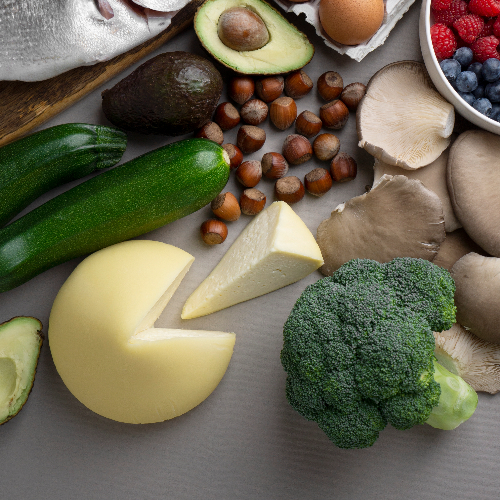
An anti-inflammatory diet is built on vegetables, fruit, whole grains, beans, nuts, seeds, olive oil and oily fish, and limits refined carbohydrates, sugary drinks, fried foods, and red and processed meat. It isn’t one fixed plan: in practice it looks very like the Mediterranean diet. Harvard Health points to the Mediterranean diet as an eating plan that closely follows anti-inflammatory principles. Diets like this are linked with lower levels of inflammation markers in the blood and a lower risk of heart disease and type 2 diabetes. They can’t replace treatment for inflammatory conditions such as rheumatoid arthritis or inflammatory bowel disease, but they can be a healthy part of managing them alongside medical care.
What is inflammation?
Inflammation is the body’s natural response to injury or infection. Short-term (acute) inflammation, such as swelling around a cut, helps you heal. Long-term, low-level (chronic) inflammation is different: it’s linked with heart disease, type 2 diabetes, some cancers and other conditions. Excess body fat, smoking, inactivity, poor sleep, stress and diet can all contribute to it. Doctors can measure some markers of inflammation, such as C-reactive protein (CRP), with a blood test.
Foods to eat more of
| Food group | Examples | Why |
|---|---|---|
| Vegetables | Leafy greens, broccoli, cabbage, peppers, tomatoes, onions, mushrooms | Fiber, vitamins and plant compounds |
| Fruit | Berries, cherries, citrus, apples, pomegranate | Fiber, vitamin C and polyphenols |
| Whole grains | Oats, brown rice, whole wheat bread, barley, quinoa | Fiber |
| Beans and lentils | Chickpeas, lentils, black beans, kidney beans | Fiber and plant protein |
| Nuts and seeds | Walnuts, almonds, flax, chia, pumpkin seeds | Healthy fats, fiber, vitamin E |
| Oily fish | Salmon, sardines, mackerel, trout | Omega-3 fats |
| Healthy oils | Extra virgin olive oil, rapeseed oil | Monounsaturated fats and polyphenols |
| Herbs, spices and drinks | Turmeric, ginger, garlic, green tea, coffee in moderation | Plant compounds |
Leafy greens and cruciferous vegetables
In a study of 1,005 Chinese women, those who ate the most cruciferous vegetables, such as cabbage, broccoli and bok choy, had lower blood levels of several inflammation markers. It was an observational study, so it can’t show cause and effect. Our article on whether leafy greens are anti-inflammatory looks at the evidence in more detail.
Oily fish
Oily fish provide the omega-3 fats EPA and DHA, which the body uses to make compounds involved in calming inflammation. The NHS recommends at least 2 portions of fish a week, one of them oily. Our guide to omega-3 foods lists the best sources.
Olive oil
Extra virgin olive oil was central to the PREDIMED trial, in which a Mediterranean diet supplemented with olive oil or nuts reduced major cardiovascular events by about 30% compared with a lower-fat diet.
Turmeric and ginger
Turmeric contains curcumin, which has anti-inflammatory effects in the lab, but it’s poorly absorbed, and the amounts used in cooking are small. Our guides to turmeric benefits and ginger shots explain what’s known.
Foods to limit
Harvard Health lists these foods as ones that can promote inflammation:
- Refined carbohydrates, such as white bread and pastries.
- French fries and other fried foods.
- Sugary drinks.
- Red meat and processed meat, such as hot dogs and sausages.
- Margarine, shortening and lard.
Ultra-processed foods in general are linked with poorer health. Our guide to ultra-processed foods explains how to eat fewer.
A day of anti-inflammatory eating
| Meal | Example |
|---|---|
| Breakfast | Porridge with berries, walnuts and ground flaxseed |
| Lunch | Lentil and vegetable soup with whole grain bread |
| Snack | An apple and a small handful of almonds |
| Dinner | Baked salmon with roasted broccoli, peppers and brown rice, dressed with olive oil and lemon |
| Drinks | Water, green tea, coffee in moderation |
Beyond diet
- Maintain a healthy weight. Excess body fat, especially around the waist, is a major driver of chronic inflammation. Our guide on how to lose weight safely can help.
- Be active. Regular exercise lowers inflammation markers over time.
- Don’t smoke.
- Sleep well and manage stress.
- Limit alcohol.
Anti-inflammatory diets and medical conditions
If you have an inflammatory condition, such as rheumatoid arthritis, psoriasis, inflammatory bowel disease or lupus, a healthy diet can support your overall health, but it isn’t a replacement for medical treatment. Some people with these conditions notice that certain foods affect their symptoms; keep a food and symptom diary and talk to your doctor or a dietitian before cutting out major food groups. People with inflammatory bowel disease, in particular, may need a diet that’s adapted to their symptoms.
How to start
You don’t have to change everything at once. Try these steps, one or two a week:
- Swap your cooking fat to extra virgin olive oil or rapeseed oil.
- Add one extra portion of vegetables to lunch and dinner.
- Have oily fish twice a week, such as salmon, sardines or mackerel.
- Choose whole grains instead of white bread, white rice and pastries.
- Eat beans or lentils a few times a week, in soups, salads and curries.
- Replace sugary drinks with water, tea or coffee.
- Snack on fruit and nuts instead of biscuits and crisps.
- Cut back on red and processed meat, using fish, poultry and beans more often.
Common questions
Do anti-inflammatory supplements work?
For most people, supplements such as turmeric, fish oil or “anti-inflammatory” blends are no substitute for a healthy diet. Some can interact with medicines, including blood thinners. If you have an inflammatory condition, ask your doctor before taking any supplement.
How quickly does an anti-inflammatory diet work?
Changes in blood markers of inflammation can take weeks to months. The bigger benefits, such as lower heart disease risk, build over years.
Are nightshades inflammatory?
There’s no good evidence that tomatoes, peppers, eggplant and potatoes cause inflammation in most people. Our article on whether eggplant is good for you covers nightshades.
Is dairy inflammatory?
For most people, no. Plain yogurt and other dairy foods can fit into an anti-inflammatory diet. If you have a dairy allergy or intolerance, avoid the foods that cause symptoms.
This article is general information, not medical advice. Talk to your doctor or a registered dietitian before making big changes to how you eat, especially if you have a health condition, take regular medication, or are pregnant or breastfeeding.



