The healthiest drinks to choose instead of soda are water, sparkling water, unsweetened tea and coffee, and milk or fortified unsweetened plant milks. Water flavored with fruit, cucumber or herbs, and occasional small glasses of fruit juice or smoothie, are good options too. Regular soft drinks are a major source of free sugars: a 330 ml can of cola contains around 35 g, more than the 30 g daily limit for adults set by the NHS. Diet drinks avoid the sugar but are best treated as a step toward water rather than a daily habit, as the World Health Organization advises against relying on sweeteners for weight control.
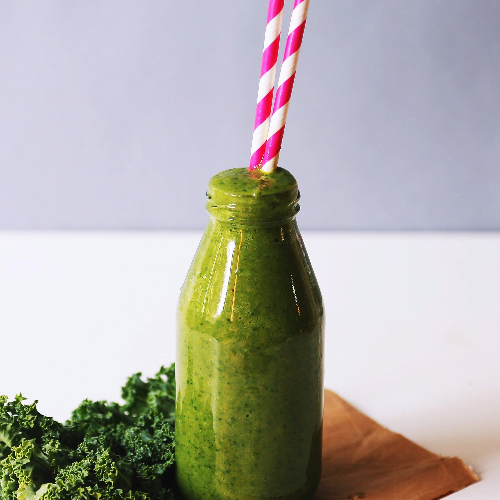
Healthier drinks at a glance
| Drink | Why it’s a good choice | Watch out for |
|---|---|---|
| Water | No calories or sugar; the best way to stay hydrated | Nothing |
| Sparkling water | Fizz without sugar | Flavored versions may contain sweeteners or sugar; check the label |
| Infused water | Flavor from lemon, cucumber, berries, mint | None, if fruit is just added for flavor |
| Unsweetened tea (black, green, herbal) | Almost no calories; plant compounds | Caffeine in black and green tea |
| Black coffee | Almost no calories | Caffeine; sugary syrups and cream in café drinks |
| Milk | Protein, calcium, iodine | Calories in whole milk; choose lower-fat for adults if you prefer |
| Unsweetened fortified plant milk | Calcium and vitamins if fortified | Sweetened versions; low protein in most except soy |
| Kombucha | Fermented, low in sugar if unsweetened | Some brands are high in sugar |
| Fruit juice and smoothies | Vitamins | No more than 150 ml a day in total; free sugars |
| Diet soft drinks | No sugar | Acidity, sweeteners; best as a stepping stone |
How much should you drink?
The NHS recommends 6 to 8 cups or glasses of fluid a day, about 1.5 to 2 liters, and more in hot weather or when you’re active. Water, lower-fat milk and sugar-free drinks, including tea and coffee, all count. Our guide to how much water to drink a day explains more.
Why cut down on soda?
- Sugar: sugary drinks are one of the biggest sources of free sugars in many diets, and liquid calories don’t fill you up the way food does.
- Teeth: sugar and acid together damage tooth enamel. Our guide to sugar in soda compares drinks.
- Weight and diabetes risk: regularly drinking sugary drinks is linked with weight gain and a higher risk of type 2 diabetes.
- Caffeine: colas and energy drinks also contain caffeine, which can affect sleep.
In the UK, the soft drinks industry levy, introduced in 2018, charges producers for drinks with more than 5 g of sugar per 100 ml, which led many brands to cut the sugar, as GOV.UK explains.
Making water more appealing
- Add fruit and herbs: lemon, lime, orange slices, cucumber, berries, mint, basil or ginger. Our flavored water ideas have combinations.
- Try sparkling water with a squeeze of citrus or a splash of juice.
- Keep a bottle with you and refill it through the day.
- Make iced tea with herbal or fruit tea bags, chilled.
- Freeze fruit in ice cubes.
Tea and coffee
Plain tea and coffee are low in calories, count toward your fluid intake, and contain plant compounds that may be beneficial. Keep caffeine to moderate amounts: the European Food Safety Authority considers up to 400 mg a day safe for healthy adults, or 200 mg in pregnancy. Café drinks can be a hidden source of sugar and calories, especially large flavored lattes, frappés and bubble teas. Our guides to healthier lattes and herbal teas have ideas.
Milk and plant milks
Milk provides protein, calcium and iodine. Plant milks vary: soy milk has a similar amount of protein to cow’s milk, while oat, almond and rice milks have much less. Choose unsweetened versions fortified with calcium, vitamin D, vitamin B12 and iodine. Children under 5 shouldn’t have rice drinks. Our guide to whether milk is good for you explains more.
Fruit juice and smoothies
They contain vitamins, but the sugars count as free sugars. The NHS recommends no more than 150 ml of fruit juice and smoothies combined a day, drunk with a meal. Whole fruit is a better choice. Our comparison of smoothie vs juice explains the difference.
Drinks when you’re active
For most everyday exercise, including runs and gym sessions under an hour, water is all you need. Sports drinks with carbohydrate and salts can help during long or very intense sessions, or in hot weather, when you sweat a lot. Milk is a good recovery drink after exercise, as it provides fluid, protein and carbohydrate. Energy drinks aren’t designed for exercise and can raise the heart rate. Our guide to sports drinks vs water explains the difference.
Drinks for children
Water and milk are the best everyday drinks for children. Sugary drinks, energy drinks and juice are best avoided or kept small. Our guide to energy drinks explains why they’re not suitable for children.
Switching from soda
- Cut down gradually, for example swapping one can a day for sparkling water.
- Try diet versions as a stepping stone, then move to water or unsweetened drinks.
- Don’t keep soda in the house, or keep it for occasional treats.
- Find a replacement ritual, such as a glass of sparkling water with lime at the time you’d usually have a soda.
- Notice how your taste changes. After a few weeks, sugary drinks often taste too sweet.
Common questions
Is sparkling water bad for your teeth?
Plain sparkling water is much less harmful to teeth than soda. Flavored sparkling waters with added acids are slightly more acidic, so drink them with meals.
Are diet drinks healthy?
They’re better than sugary drinks for teeth and calories, but they don’t offer nutritional benefits, and the WHO advises against relying on sweeteners for weight control.
Does coffee dehydrate you?
Not in moderate amounts. Tea and coffee count toward your daily fluid intake.
This article is general information, not medical advice. Talk to your doctor or a registered dietitian before making big changes to how you eat, especially if you have a health condition, take regular medication, or are pregnant or breastfeeding.



