Herbal teas, or tisanes, are drinks made by steeping herbs, flowers, roots or spices, such as chamomile, peppermint, ginger, rooibos or hibiscus, in hot water. Most are caffeine-free, calorie-free and a pleasant way to drink more fluid. Some have modest evidence for specific uses: ginger may ease nausea, and peppermint oil can help irritable bowel syndrome, though that evidence comes from capsules rather than tea. For many other claims, such as better sleep, weight loss or “detoxing,” the evidence is weak. Herbal teas are generally safe in normal amounts, but a few, including liquorice root, St John’s wort and some slimming teas, can cause problems, and limits apply in pregnancy.
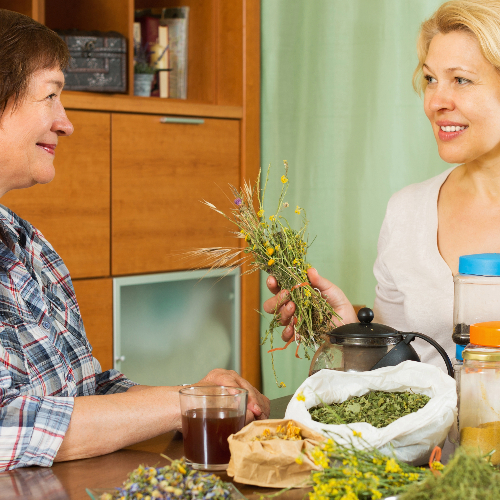
Popular herbal teas and what’s known
| Tea | Common uses | What the evidence says |
|---|---|---|
| Chamomile | Relaxation, sleep, digestion | Little good evidence for sleep; generally safe |
| Peppermint | Indigestion, bloating, IBS | Peppermint oil capsules help IBS; tea is soothing but less studied |
| Ginger | Nausea, digestion | May help nausea in pregnancy |
| Rooibos | Caffeine-free alternative to black tea | Safe and pleasant; few proven benefits |
| Hibiscus | Tart, fruity flavor | May slightly lower blood pressure; avoid in pregnancy without advice |
| Lemon balm | Calm, digestion | Limited evidence |
| Fennel | Wind and bloating | Traditional use; limited evidence |
| Rosehip | Fruity flavor | Contains some vitamin C, though much is lost in drying and brewing |
Chamomile
Chamomile is one of the most popular bedtime teas. The NCCIH notes that a 2019 review found only one study on insomnia, which found no benefit, while some preliminary studies suggest chamomile supplements might help with generalized anxiety. As a warm, caffeine-free drink before bed, it can still be part of a relaxing routine. People allergic to plants in the daisy family, such as ragweed, may react to chamomile.
Peppermint
Peppermint tea is often used after meals. The NCCIH reports that a 2022 review of 10 studies found peppermint oil better than placebo for overall IBS symptoms and abdominal pain, though with more side effects. That evidence is for enteric-coated capsules; tea is milder. Peppermint can worsen heartburn in some people.
Ginger
Ginger tea, made with fresh ginger slices, is a traditional remedy for nausea. The NCCIH says ginger may be helpful for nausea and vomiting associated with pregnancy. Our article on ginger shots covers the evidence in more detail.
Green tea
Strictly, green tea isn’t herbal, because it comes from the tea plant and contains caffeine. Our guide to green tea benefits explains what’s known.
Benefits of herbal tea in general
- Hydration. Herbal teas count toward your fluid intake, like water. The NHS includes tea in the drinks that count.
- Caffeine-free, so they’re useful in the evening or if you’re cutting down on caffeine. Our guide to foods for sleep has other bedtime tips.
- No sugar or calories, if you drink them without honey or sugar.
- A comforting ritual, which can help with relaxation.
Safety: who needs to be careful
Pregnancy
The NHS advises that in pregnancy you should avoid drinking more than 4 cups of herbal tea a day and avoid teas containing liquorice root, and notes that there isn’t much research on herbal teas in pregnancy. Check with your midwife or pharmacist about specific herbs.
Liquorice root
Liquorice root contains glycyrrhizin, which in large amounts can raise blood pressure and lower potassium levels. People with high blood pressure, heart or kidney disease should avoid regular liquorice tea.
St John’s wort and other herbs that interact with medicines
St John’s wort interacts with many medicines, including the contraceptive pill, some antidepressants and blood thinners, as the NCCIH explains. If you take any regular medicine, check with a pharmacist before drinking teas that contain medicinal herbs.
Slimming and “detox” teas
Many slimming teas contain laxatives such as senna, which cause water loss and diarrhea rather than fat loss, and can upset electrolytes with regular use. Some weight loss products have been found to contain hidden drugs. Our articles on weight loss supplements and whether detox diets work explain the risks.
Children
Herbal teas aren’t suitable for babies. For older children, mild teas such as rooibos or weak fruit teas are fine in small amounts, but avoid medicinal herbs without advice.
How to make a good herbal tea
- Use fresh water just off the boil for most herbs, or slightly cooler, about 90°C, for delicate flowers like chamomile.
- Steep for 5 to 10 minutes, covered, so the aromatic oils don’t escape. Roots and spices such as ginger can steep longer.
- Use fresh herbs from the garden, such as mint, lemon balm or lemon verbena, as well as bagged teas.
- Skip the sugar, or add a slice of lemon or a little cinnamon instead.
- Drink iced: brew strong, cool, and pour over ice for a sugar-free summer drink.
Herbal teas and medicines
Some herbs can affect how medicines work or have effects of their own. As well as St John’s wort and liquorice, be cautious with:
- Ginkgo and high-dose ginger supplements if you take blood thinners.
- Green tea extracts, which have been linked with liver problems in concentrated form.
- Sleep or “calming” blends that combine several herbs, if you take sedatives or antidepressants.
- Teas sold as remedies for specific conditions, which may contain more of an herb than a typical cup.
If you take regular medicine, have a long-term condition, or are due to have surgery, show the ingredients list to your pharmacist. Ordinary amounts of common teas such as peppermint, chamomile, rooibos and fruit teas rarely cause problems.
Common questions
Can herbal tea help me sleep?
A warm, caffeine-free drink can be part of a relaxing bedtime routine, but there’s little good evidence that any herbal tea treats insomnia.
Do herbal teas count as water?
Yes. Unsweetened herbal teas count toward your daily fluid intake.
Can I drink herbal tea every day?
For most people, a few cups a day of common teas such as chamomile, peppermint, rooibos or ginger is fine. Avoid regular liquorice root tea, and check with a pharmacist if you take medicines or are pregnant.
This article is general information, not medical advice. Talk to your doctor or a registered dietitian before making big changes to how you eat, especially if you have a health condition, take regular medication, or are pregnant or breastfeeding.



