Yes, broccoli is keto-friendly. Raw broccoli has about 6.6 g of carbohydrate and 2.6 g of fiber per 100 g, so roughly 4 g of net carbs, according to USDA FoodData Central. A generous 150 g serving has about 6 g of net carbs, which fits easily into a 20 to 50 g daily keto allowance. Broccoli is also one of the most nutritious vegetables you can eat on keto, rich in vitamin C, vitamin K, folate and fiber, which a low-carb diet can otherwise run short on. Roasted, steamed, stir-fried or riced, it’s one of the most versatile keto vegetables.
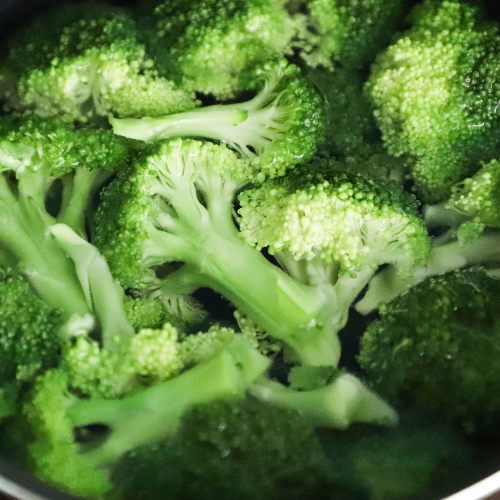
Carbs in broccoli
Per 100 g (3½ oz), from USDA FoodData Central:
| Nutrient | Raw broccoli | Boiled broccoli |
|---|---|---|
| Calories | 34 kcal | 35 kcal |
| Carbohydrate | 6.6 g | 7.2 g |
| Fiber | 2.6 g | 3.3 g |
| Net carbs | about 4 g | about 3.9 g |
| Protein | 2.8 g | 2.4 g |
| Vitamin C | 89 mg | 65 mg |
| Vitamin K | 102 mcg | 141 mcg |
| Folate | 63 mcg | 108 mcg |
| Potassium | 316 mg | 293 mg |
Per serving
- 1 cup chopped raw (about 90 g): about 3.6 g of net carbs.
- A large side serving (150 g): about 6 g of net carbs.
- A few florets in a stir-fry (50 g): about 2 g of net carbs.
Our guide on how to calculate net carbs explains the numbers.
Why broccoli is so useful on keto
Fiber
Keto diets often run short on fiber because they cut out grains, beans and most fruit. Broccoli helps fill the gap and supports regular digestion. Our guide to fiber on keto has more high-fiber choices.
Vitamin C
With around 89 mg of vitamin C per 100 g raw, broccoli provides more than the 40 mg a day that the NHS says adults need. That’s especially useful on keto, when citrus fruit is limited.
Folate and vitamin K
Broccoli is a good source of folate, needed for healthy red blood cells, and vitamin K, needed for blood clotting and bone health.
Plant compounds
Broccoli is a cruciferous vegetable. It contains glucosinolates, which break down into compounds such as sulforaphane when you chop or chew it. They’re being studied for possible health effects, but the evidence in people is still mixed. The US National Cancer Institute says studies of cruciferous vegetables and cancer risk in humans have shown mixed results. Our guide to cruciferous vegetables explains more.
Things to watch
- Warfarin: broccoli is high in vitamin K. You don’t need to avoid it, but if you take warfarin, keep your intake fairly steady and talk to your doctor before big changes.
- Gas and bloating: like other cruciferous vegetables, broccoli can cause wind. Cooking it and increasing portions gradually helps.
- Sauces: broccoli in sweet stir-fry sauces or with breadcrumb toppings can add many carbs.
Best ways to eat broccoli on keto
- Roasted: toss florets with olive oil, garlic and salt, and roast at 220°C (425°F) for 18 to 22 minutes until the edges are crispy. Finish with lemon and Parmesan.
- Steamed: 4 to 5 minutes, then toss with butter or olive oil and black pepper.
- Stir-fried: with garlic, ginger, sesame oil and a splash of reduced-salt soy sauce or tamari.
- Riced: pulse florets in a food processor and stir-fry like cauliflower rice. Our cauliflower fried rice works with broccoli too.
- Broccoli cheese: steamed broccoli baked with a sauce of cream cheese, cheddar and a little cream.
- Soup: blend with stock, garlic and a little cream or cream cheese, without potato for a keto version.
- Salad: raw or blanched florets with bacon, sunflower seeds and a mayonnaise-yogurt dressing. Our broccoli salad can be made keto by skipping raisins.
Broccoli vs other keto vegetables
Broccoli has a similar number of net carbs to cauliflower and cabbage, more than leafy greens such as spinach, and less than onions or carrots. Our list of keto vegetables compares them.
Does cooking change the carbs?
Not significantly. Boiled broccoli in USDA data has a similar net carb count to raw. Cooking reduces some vitamin C, especially with long boiling, so steaming, roasting or stir-frying briefly keeps more nutrients.
How to choose and store broccoli
Pick heads with tight, dark green florets and firm stalks. Yellowing florets or a soft, bendy stem mean the broccoli is past its best and may taste bitter. Store it unwashed in a loosely closed bag in the fridge’s vegetable drawer and use it within three to five days, washing it just before cooking. If you buy more than you can use, blanch the florets in boiling water for 2 to 3 minutes, cool them in iced water, drain well, and freeze them on a tray before bagging. They keep for several months.
Tenderstem, sprouting broccoli and broccoli sprouts
Tenderstem broccoli, sold as broccolini in some countries, is a cross between broccoli and Chinese kale. It has longer, thinner stems and a sweeter taste, and fits keto just as well. Purple sprouting broccoli and Romanesco are also low in carbs. Broccoli sprouts, the young seedlings, are eaten raw in salads and sandwiches. Like other raw sprouts, they can carry bacteria such as Salmonella and E. coli, so people at higher risk of food poisoning, including pregnant women, young children, older adults and people with weakened immune systems, are usually advised to eat sprouts only when cooked.
Common questions
Can I eat broccoli every day on keto?
Yes. It’s a great everyday vegetable. Vary it with other low-carb vegetables for a wider range of nutrients.
Is broccoli stem keto?
Yes. The stalk has a similar carb count to the florets. Peel and slice it for stir-fries and soups.
Is frozen broccoli keto?
Yes. Plain frozen broccoli has the same carbs as fresh. Avoid frozen broccoli in cheese or sweet sauces, which add carbs.
How much broccoli can I eat on keto?
Most people can eat a large serving every day. Even 200 g of raw broccoli has only about 8 g of net carbs. How much fits depends on your daily carb target and what else you eat.
Is broccoli good for weight loss?
It’s filling and low in calories, at about 34 kcal per 100 g, so it adds volume to meals. No single food causes weight loss, but plenty of vegetables makes a lower-calorie diet easier to follow.
Safety note: Keto isn’t suitable for everyone. If you have diabetes, kidney or liver disease, take regular medication, or are pregnant or breastfeeding, talk to your doctor before cutting carbs this far (why it matters).
This article is general information, not medical advice. Talk to your doctor or a registered dietitian before making big changes to how you eat, especially if you have a health condition, take regular medication, or are pregnant or breastfeeding.