“Superfood” is a marketing term, not a scientific one, but some low-carb foods do pack a lot of nutrition into very few net carbs. On keto, the most useful are oily fish, eggs, leafy greens, broccoli and cauliflower, avocado, olive oil, nuts and seeds, plain Greek yogurt, mushrooms and berries. Together they cover the nutrients a keto diet most often runs short on, such as fiber, folate, vitamin C, potassium and magnesium. The values below come from USDA FoodData Central.
Why nutrient density matters on keto
Keto cuts out fruit, beans, lentils, whole grains and starchy vegetables. Harvard’s Nutrition Source warns this can lead to shortfalls in fiber, B vitamins, iron, magnesium and zinc. In the Keto-Med trial, people ate less fiber, folate, vitamin C and magnesium on keto than on a Mediterranean-style diet. Building meals around the foods below is the simplest way to close those gaps.
12 nutrient-dense keto foods
Net carbs are per 100 g, from USDA FoodData Central.
| Food | Net carbs per 100 g | What it adds |
|---|---|---|
| Spinach | 1.4 g | Vitamin K (483 mcg), folate (194 mcg), potassium |
| Avocado | 1.8 g | Fiber (6.7 g), potassium (485 mg), unsaturated fat |
| Mushrooms | 2.3 g | Potassium, and vitamin D if UV-exposed |
| Cauliflower | 3.0 g | Vitamin C (48 mg), a stand-in for rice and mash |
| Broccoli | 4.0 g | Vitamin C (89 mg), fiber |
| Plain Greek yogurt (whole milk) | 4.0 g | Protein (9 g), calcium |
| Raspberries | 5.4 g | Fiber (6.5 g), vitamin C |
| Walnuts | 7.0 g | ALA omega-3 (9.1 g) |
| Chia seeds | 7.7 g | Fiber (34.4 g), ALA omega-3 (17.8 g) |
| Salmon | 0 g | EPA and DHA omega-3 (about 2 g in farmed), protein |
| Eggs | 0.7 g | Protein, vitamin D, B12 |
| Olive oil | 0 g | Mostly monounsaturated fat (73%) |
1. Leafy greens, especially spinach
Spinach has only about 1.4 g of net carbs per 100 g and is rich in vitamin K and folate. Kale, chard, arugula and romaine are similar. Eat them raw in salads or wilted into eggs, curries and sauces. If you take warfarin, keep your intake steady, because the NIH Office of Dietary Supplements says consistent vitamin K intake matters.
2. Avocado
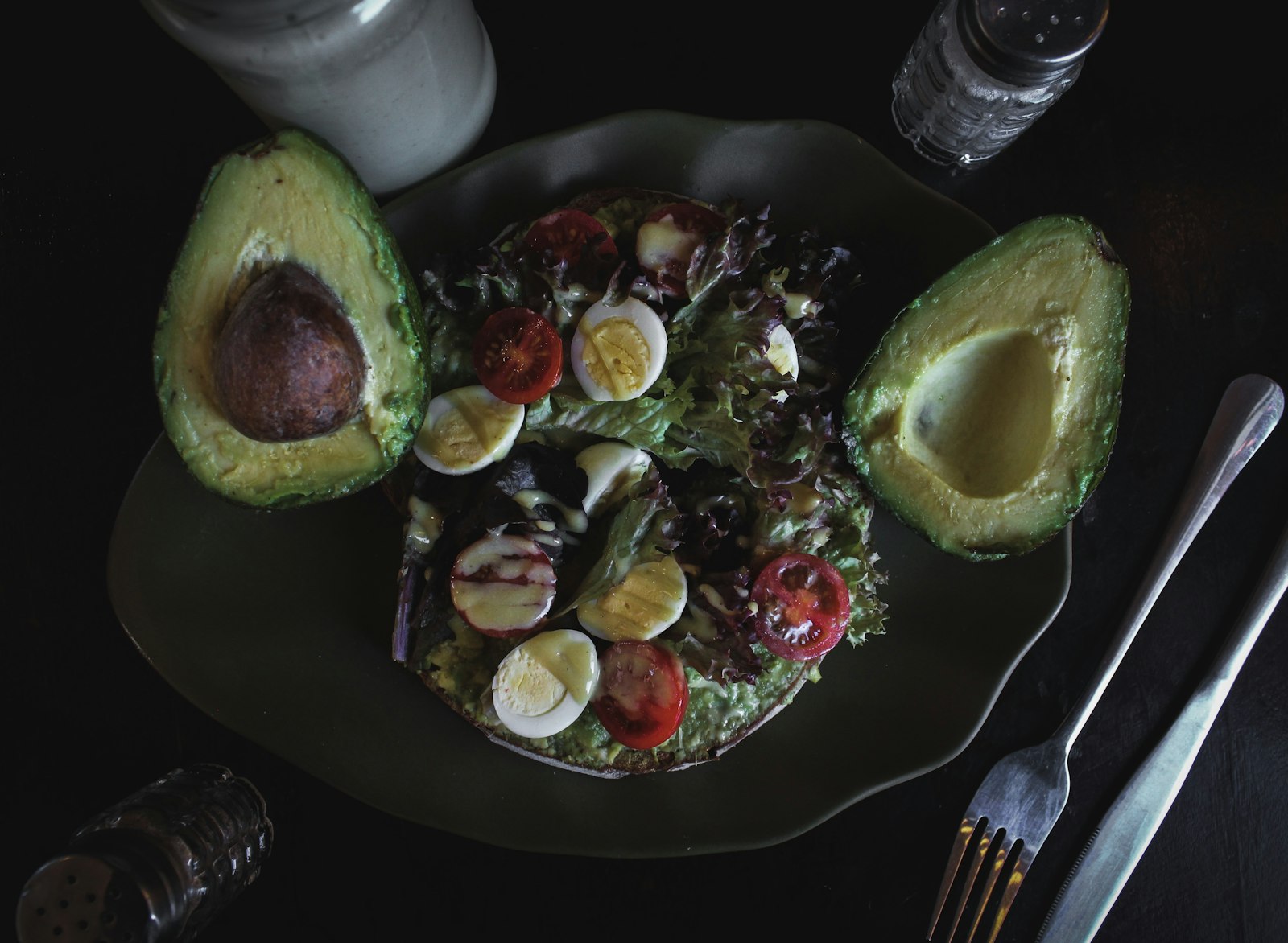
Avocado is the closest thing keto has to a perfect food: high in fiber, potassium and monounsaturated fat, with only about 1.8 g of net carbs per 100 g. Half an avocado at breakfast or in a salad is an easy habit.
3. Broccoli and cauliflower
Both are cruciferous vegetables, rich in vitamin C and fiber. Cauliflower replaces rice and mashed potatoes, and broccoli roasts beautifully with olive oil and garlic. Our guide to low-carb vegetables compares more options.
4. Oily fish
Salmon, mackerel and sardines contain no carbohydrate and are among the best sources of the omega-3 fats EPA and DHA. The FDA lists salmon and sardines among its lowest-mercury “best choices”. Our guide to omega-3 foods has more detail.
5. Eggs
Eggs have almost no carbohydrate and provide high-quality protein, vitamin D and vitamin B12. They’re quick, cheap and versatile, from omelets to boiled eggs as a snack.
6. Olive oil
Extra-virgin olive oil is about 73% monounsaturated fat, according to USDA values. The NHS notes that replacing saturated fats with some unsaturated fats can help lower cholesterol, which matters on a diet where fat supplies most of your calories.
7. Nuts and seeds
Walnuts, chia and flaxseed provide ALA omega-3, and pumpkin seeds are rich in magnesium. Chia seeds are mostly fiber, so a tablespoon in yogurt adds bulk for very few net carbs. Keep portions to about 30 g, because nuts are calorie-dense.
8. Plain Greek yogurt
Plain whole-milk Greek yogurt has about 4 g of carbohydrate and 9 g of protein per 100 g. Flavored yogurts usually contain added sugar, so stick to plain and add berries yourself.
9. Mushrooms
Mushrooms are low in carbohydrate and add savory flavor. Mushrooms exposed to UV light during growing contain much more vitamin D than regular ones: about 26 mcg per 100 g, according to USDA values. Our guide to vitamin D explains why that’s useful.
10. Berries
Raspberries and blackberries are the lowest-carb fruits, at about 4 to 5 g of net carbs per 100 g. A small portion adds fiber and vitamin C. Our guide to berries on keto compares them.
What about “keto superfood” powders and supplements?
Greens powders, collagen and MCT oil are often sold as keto superfoods. None of them is necessary, and none replaces whole vegetables, fish and nuts. Some supplements interact with medicines or contain concentrated nutrients such as vitamin K, so check with your doctor or pharmacist before taking them.
A day built on nutrient-dense keto foods
- Breakfast: two eggs scrambled with spinach and mushrooms, plus half an avocado.
- Lunch: salmon salad with leafy greens, cucumber, olive oil and a sprinkle of walnuts.
- Snack: plain Greek yogurt with raspberries and a teaspoon of chia seeds.
- Dinner: roasted chicken thighs with broccoli and cauliflower in olive oil.
That day is low in net carbs but rich in fiber, potassium, magnesium, vitamin C and omega-3 fats. Our keto food list has more ideas.
Before you start
Safety note: A ketogenic diet isn’t safe for everyone. Don’t start one without medical supervision if you have type 1 diabetes, take insulin or other diabetes medicines (especially SGLT2 inhibitors such as empagliflozin or dapagliflozin), take medicine for high blood pressure, have kidney, liver, pancreas or gallbladder disease, are underweight or have had an eating disorder, or are pregnant or breastfeeding. Children should only follow keto as a medical treatment run by a specialist team. A 2026 review of keto’s contraindications lists these and other situations that need care, so talk to your doctor first if any apply to you.
Do I need to eat all 12 every day?
No. Use the list as a menu. Rotating a few vegetables, a protein, a fat and a handful of nuts or berries each day covers most of what keto tends to miss.
This article is general information, not medical advice. Talk to your doctor or a registered dietitian before making big changes to how you eat, especially if you have a health condition, take regular medication, or are pregnant or breastfeeding.