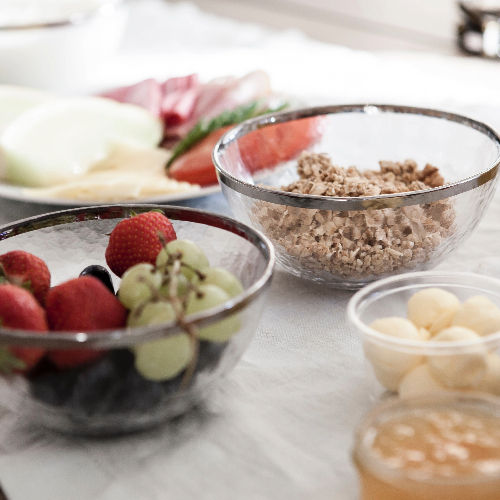
No food can make stress go away, but what and how you eat can make stress easier or harder to cope with. Regular, balanced meals keep your energy and blood sugar steady, which helps with mood and concentration. Too much caffeine can increase anxiety and disrupt sleep, and alcohol, often used to unwind, worsens sleep and low mood the next day. A diet rich in vegetables, fruit, whole grains, beans, nuts, fish and olive oil is linked with better mental health. In the SMILES trial, adults with depression who were coached to eat a Mediterranean-style diet for 12 weeks improved more than those given social support, with 32% reaching remission compared with 8%. Diet works best alongside sleep, activity, social connection and, when needed, professional help.

How stress affects eating
Stress affects people differently. Some lose their appetite; others eat more, especially sweet, salty and high-fat foods. Stress hormones such as cortisol can increase hunger, and tiredness and busy days make convenience food more tempting. Our guide to stress eating covers emotional eating in detail. This article focuses on everyday eating habits that help you cope with stress.
Eating habits that help
Eat regularly
Skipping meals and then eating a large meal can cause dips in energy and concentration and make you irritable. Three meals a day, with a snack if you need one, keep you steady. Our guide to building a balanced meal explains what to include.
Include protein and fiber at each meal
Protein foods (eggs, fish, chicken, beans, lentils, yogurt, tofu) and high-fiber foods (whole grains, vegetables, fruit, beans) release energy slowly and keep you full. Refined carbohydrates and sugary snacks give a quick lift followed by a dip.
Keep caffeine moderate
Caffeine can increase alertness, but too much can cause jitters, a racing heart and anxiety, and it can disrupt sleep for hours. The European Food Safety Authority considers up to 400 mg a day safe for healthy adults, about four mugs of instant coffee, but many people feel calmer with less. Avoid caffeine after midday if sleep is a problem. Our guide to energy drinks explains why they’re a particular concern.
Go easy on alcohol
A drink may feel relaxing at first, but alcohol disrupts sleep and can worsen anxiety and low mood. The NHS advises not regularly drinking more than 14 units a week, with several alcohol-free days.
Drink enough water
Even mild dehydration can affect concentration and mood. Keep a water bottle nearby.
Eat oily fish
Oily fish such as salmon, sardines and mackerel provide omega-3 fats, which are important for brain health. Aim for one portion a week. Our guide to omega-3 foods lists sources.
A Mediterranean-style pattern
The diet used in the SMILES trial was based on vegetables, fruit, whole grains, legumes, nuts, fish, lean meat, olive oil and some dairy, with fewer sweets, refined grains, fried foods, fast food and sugary drinks. It was a small trial, with 67 people, and more research is needed, but it suggests that improving diet quality can be a useful part of looking after mental health. Our Mediterranean diet for beginners guide shows how to start.
Sleep and stress
Stress disrupts sleep, and poor sleep makes stress harder to manage and increases hunger, especially for high-calorie foods. A regular bedtime, a screen-free wind-down, less caffeine later in the day and a light evening meal help. Our guide to foods for sleep explains the diet side.
The gut and mood
The gut and brain communicate constantly, and gut bacteria may influence mood. This area of science is at an early stage, but a diet rich in fiber from a wide variety of plants, plus fermented foods such as yogurt and kefir, supports a healthy gut. Our guides to eating 30 plants a week and probiotic foods have ideas.
Practical tips for stressful times
- Keep easy, healthy foods in stock: eggs, frozen vegetables, canned beans and fish, whole grain bread, oats, yogurt, fruit and nuts.
- Batch cook on calmer days so a healthy meal is ready when you’re busy. Our guide to batch cooking shows how.
- Plan quick meals, such as an omelet, a stir-fry or beans on toast.
- Take a proper lunch break away from your desk when you can.
- Notice patterns, such as reaching for snacks after difficult calls, and plan alternatives.
Beyond diet
The NHS Every Mind Matters service suggests talking to someone, being active and planning ahead to manage stress. Regular exercise, time outdoors, breathing exercises and staying connected with others all help. If stress is affecting your daily life, sleep or relationships, talk to your doctor.
If you’re struggling with your mental health, or having thoughts of harming yourself, please reach out now. You can find free, confidential support in your country at findahelpline.com, or call your local emergency number if you’re in immediate danger.
Common questions
Are there foods that reduce stress?
No single food reduces stress, but a balanced diet with regular meals, enough fluids, moderate caffeine and little alcohol helps you cope better.
Do supplements help with stress?
The evidence for supplements such as magnesium, ashwagandha or B vitamins for stress is limited or mixed. Talk to a pharmacist or doctor before taking them, especially if you take other medicines.
Why do I crave sugar when I’m stressed?
Stress hormones can increase appetite for quick-energy foods, and sugar gives a brief lift in mood. Regular, balanced meals reduce the cravings.
Is it better to skip meals when stressed and not hungry?
It’s better to have something small and easy, such as yogurt, a banana with peanut butter, soup or toast with eggs, so your energy doesn’t crash later.
Does chamomile tea help with stress?
A warm, caffeine-free drink can be part of a calming routine. Evidence that chamomile itself reduces stress or anxiety is limited, and people allergic to ragweed, chrysanthemums, marigolds or daisies are more likely to react to it, as the NCCIH notes.
This article is general information, not medical advice. Talk to your doctor or a registered dietitian before making big changes to how you eat, especially if you have a health condition, take regular medication, or are pregnant or breastfeeding.