No food will make you smarter overnight, but eating well during exams helps you concentrate, keep your energy steady and sleep better, which all affect how well you revise and perform. The basics are simple: regular meals with slow-release carbohydrates such as oats and whole grains, a protein at every meal, plenty of fruit and vegetables, enough water, and sensible amounts of caffeine, avoided late in the day. Energy drinks and lots of sugary snacks tend to give a quick lift followed by a slump. On exam days, eat a familiar breakfast and bring water and a simple snack.
Why food matters during exams
- Steady energy: your brain uses glucose for fuel. Regular meals with slow-release carbohydrates help avoid energy dips.
- Concentration: going a long time without food or drink can make it harder to focus.
- Sleep: what you eat and drink, especially caffeine and late heavy meals, affects sleep, and sleep is essential for memory.
- Mood and stress: regular meals help keep your mood more even during a stressful time. Our guide to food and mood explains the links.
What to eat during revision
Breakfast
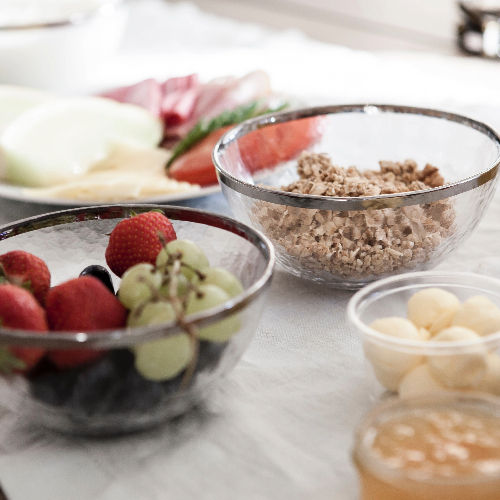
Start with something that keeps you going until lunch, such as porridge with fruit and nuts, eggs on whole grain toast, or yogurt with berries and oats. The NHS says a healthy breakfast high in fiber and low in fat, sugar and salt can help you get the nutrients you need. Our list of healthy breakfast ideas has more.
Lunch and dinner
Build meals around a protein, such as chicken, fish, eggs, beans, lentils or tofu, a whole grain or starchy carbohydrate, and vegetables. Oily fish such as salmon and sardines provide omega-3 fats, which are part of the brain’s structure; our guide to omega-3 foods lists the best sources. Quick options include pasta with tomato sauce and beans, a stir-fry, or a jacket potato with tuna and salad.
Snacks
Choose snacks that combine fiber and protein:
- An apple or banana with a few nuts.
- Yogurt with fruit.
- Hummus with carrot sticks or whole grain crackers.
- A boiled egg.
- Plain popcorn.
Our list of healthy snack ideas has more.
Drinks
Water
Even mild dehydration can cause headaches and tiredness. The NHS recommends 6 to 8 cups or glasses of fluid a day. Keep a water bottle on your desk.
Caffeine
Coffee and tea can help with alertness, but too much can cause jitteriness, anxiety and poor sleep. The FDA says up to 400 mg a day isn’t generally associated with harmful effects in healthy adults; teenagers should have much less. The NHS suggests avoiding tea and coffee for at least 6 hours before bed if you have trouble sleeping.
Energy drinks
Energy drinks are high in caffeine and often sugar, and can disrupt sleep. The American Academy of Pediatrics says energy drinks have no place in the diets of children and adolescents. Swap them for water or a cup of tea.
Eating on exam day
- Eat a familiar breakfast, not something new that might upset your stomach.
- Avoid a very heavy or greasy meal right before an exam, which can make you sleepy.
- Bring water if you’re allowed, and a simple snack for breaks, such as a banana or a cereal bar with nuts.
- Don’t skip meals because you’re nervous. If your appetite is low, try something small, like yogurt, toast or a smoothie.
- Limit caffeine if it makes you anxious.
Sleep matters as much as food
Memory is strengthened during sleep, so late-night cramming at the expense of sleep can backfire. Keep regular sleep times, wind down without screens before bed, and avoid caffeine and large meals late in the evening. Our guide to foods for sleep has practical tips.
What about “brain foods” and supplements?
Foods such as oily fish, berries, nuts, eggs and leafy greens are part of a healthy diet, but no single food or supplement will boost your exam results. Supplements marketed for memory or focus generally lack good evidence. Our article on brain foods explains what’s known.
Tips for parents
- Keep healthy snacks and easy meals in stock during exam season.
- Encourage regular meals and breaks, and offer water.
- Cook simple, familiar food and eat together when you can.
- Watch for stress affecting appetite. If a young person is skipping meals, losing weight or seems very anxious, talk to them and, if needed, your GP.
A sample revision day
| Time | Food and drink |
|---|---|
| 8:00 | Porridge with banana and a spoonful of peanut butter, plus a glass of water |
| 10:30 | Yogurt with berries |
| 13:00 | Whole grain wrap with chicken or falafel, salad and hummus, plus fruit |
| 15:30 | An apple and a small handful of nuts, and a cup of tea |
| 18:30 | Salmon or beans with rice and vegetables |
| 21:00 | A light snack if hungry, such as toast or a small bowl of cereal with milk |
Taking short breaks to eat away from your desk, and getting outside for a walk, helps you come back to revision refreshed.
Studying away from home
Students living away from home for the first time can find eating well harder. Batch cooking, a well-stocked freezer and a few simple recipes help. Our guides to cooking for one and healthy eating on a budget have practical tips.
Common questions
Is chocolate good for studying?
A small piece of dark chocolate is fine as a treat, but it won’t improve exam results. Pair snacks with protein or fiber for steadier energy.
Is sugar good for exams?
A sugary snack gives a quick boost but can be followed by a dip. Slow-release carbohydrates and regular meals give steadier energy.
Should I fast before an exam to stay alert?
No. Going without food can make it harder to concentrate. Eat a balanced breakfast.
What’s a good snack for a long revision session?
Fruit with nuts, yogurt, oatcakes with peanut butter, or vegetable sticks with hummus.
This article is general information, not medical advice. Talk to your doctor or a registered dietitian before making big changes to how you eat, especially if you have a health condition, take regular medication, or are pregnant or breastfeeding.