Lettuce is one of the easiest and quickest vegetables to grow at home, even if all you have is a windowsill, balcony or a few pots. Sow seeds thinly in moist compost from spring to early autumn, keep the soil damp, protect the young plants from slugs, and you can start picking loose-leaf lettuce in as little as 4 to 6 weeks. The Royal Horticultural Society recommends sowing a few seeds every couple of weeks, “little and often,” so you get a steady supply rather than a glut. Homegrown leaves are fresh, cheap and an easy way to eat more salad.
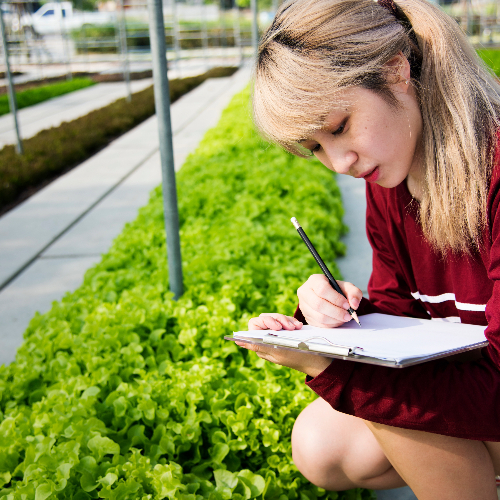
Choose the right type of lettuce
| Type | What it’s like | Time to harvest | Best for |
|---|---|---|---|
| Loose-leaf and salad mixes | Open leaves, no heart; pick a few at a time | 4 to 6 weeks for baby leaves | Pots, windowsills, beginners |
| Butterhead | Soft, tender leaves with a loose heart | 8 to 10 weeks | Gardens and large containers |
| Cos (romaine) | Tall, crisp, upright heads | 10 to 12 weeks | Beds; good in sandwiches and Caesar salad |
| Crisphead (iceberg types) | Tight, crunchy heads | 10 to 12 weeks | Beds; slower and fussier to grow |
If you’re new to growing food, start with a loose-leaf variety or a mixed salad-leaf packet. The RHS notes that these are even simpler and quicker to grow than hearting types, and you can harvest them as a “cut-and-come-again” crop over several weeks.
What you need
- A packet of fresh lettuce seeds. Seeds don’t keep well, so buy new ones each year for reliable germination.
- A sunny or partly shaded spot. Lettuce likes at least 4 to 6 hours of light a day, but appreciates some shade in hot summers.
- Pots, troughs or a bed. A container 15 to 20 cm (6 to 8 inches) deep with drainage holes is enough for salad leaves.
- Peat-free multipurpose compost, or well-prepared garden soil with added compost.
- A watering can with a fine rose, so you don’t wash seeds away.
How to sow lettuce, step by step
- Fill your pot or prepare the bed. Firm the compost gently and water it well before sowing.
- Sow thinly. Scatter seeds over the surface of a pot, or sow in shallow rows about 1 cm (½ inch) deep in a bed.
- Cover lightly with a thin layer of compost. Lettuce seeds are small and need little covering.
- Keep the surface moist until the seedlings appear, usually within 7 to 14 days.
- Thin the seedlings. For heads, thin to 20 to 30 cm (8 to 12 inches) apart, depending on the variety. For baby leaves, leave them closer. Eat the thinnings in salads.
- Sow again every 2 to 3 weeks for a continuous supply.
Lettuce seeds can struggle to germinate in very hot weather. In mid-summer, sow in the evening, keep the pots in a shaded spot until seedlings appear, and water well.
Caring for your lettuce
- Water regularly. Lettuce has shallow roots and is mostly water. Dry soil makes leaves tough and bitter. Water in the morning, at the base of the plants.
- Protect from slugs and snails. The RHS warns that lettuces usually need protection from them. Check plants in the evening, use barriers such as copper tape on pots, or grow in raised containers.
- Watch for bolting. In hot, dry weather, lettuce may send up a flower stalk, or “bolt,” and the leaves turn bitter. Keep plants watered and lightly shaded in summer, and pick them before they bolt.
- Feed lightly. Fresh compost usually provides enough nutrients for a few weeks. For cut-and-come-again leaves, a liquid seaweed feed after a few harvests can help.
- Keep birds off young seedlings with netting if needed.
Growing lettuce indoors
You can grow salad leaves on a bright windowsill all year, though growth is slower in winter.
- Use a shallow tray or pot with drainage holes.
- Place it on the brightest windowsill you have, ideally facing south or west.
- Turn the pot every few days so the plants grow evenly.
- If the seedlings grow tall and floppy, they need more light. A small LED grow light helps in winter.
- Harvest baby leaves when they’re 5 to 10 cm (2 to 4 inches) tall.
Our guide to growing herbs indoors uses the same approach, and the two work well side by side.
How to harvest
- Loose-leaf lettuce: pick outer leaves as you need them, leaving the center to keep growing. Or cut the whole plant about 2.5 cm (1 inch) above the soil; it often regrows for a second or third cut.
- Heading lettuce: cut the whole head at soil level once it feels firm.
- Pick in the morning, when leaves are crisp and full of water.
Washing and storing homegrown lettuce
Homegrown leaves can carry soil, insects and bacteria, so wash them before eating. The FDA advises washing produce under running water just before eating, without soap or produce washes. For lettuce, separate the leaves, swish them in a bowl of cold water, then rinse each leaf and dry it in a salad spinner. Our guide on how to wash vegetables explains more.
Other hygiene tips for growing salad:
- Keep pets out of salad beds and pots.
- Don’t use fresh manure on soil where you grow salad leaves; use well-rotted compost.
- Wash your hands after gardening.
Store unwashed leaves in a container lined with paper towel in the fridge, and use them within 3 to 5 days.
Lettuce nutrition
Lettuce is mostly water and very low in calories, but darker, leafier types are richer in vitamins. Per 100 g (3½ oz) raw, from USDA FoodData Central:
| Nutrient | Romaine | Green leaf | Butterhead | Iceberg |
|---|---|---|---|---|
| Calories | 17 kcal | 15 kcal | 13 kcal | 14 kcal |
| Fiber | 2.1 g | 1.3 g | 1.1 g | 1.2 g |
| Vitamin K | 102 mcg | 126 mcg | 102 mcg | 24 mcg |
| Folate | 136 mcg | 38 mcg | 73 mcg | 29 mcg |
| Beta carotene | 5,230 mcg | 4,440 mcg | 1,990 mcg | 299 mcg |
| Potassium | 247 mg | 194 mg | 238 mg | 141 mg |
Romaine and green leaf lettuce contain far more vitamin K and beta carotene than iceberg. Because leafy greens are high in vitamin K, people taking warfarin should keep their intake fairly steady. Our guide to green foods covers other leafy vegetables, and our filling salad ideas show how to turn your harvest into a meal.
Common problems
| Problem | Likely cause | What to do |
|---|---|---|
| Seeds don’t come up | Old seed, dry compost or too much heat | Use fresh seed, keep moist, sow in shade in summer |
| Tall, weak seedlings | Not enough light | Move to a brighter spot or use a grow light |
| Holes in leaves | Slugs, snails or caterpillars | Check in the evening, use barriers |
| Bitter leaves and a flower stalk | Bolting from heat or drought | Water well, give shade, sow again |
| Brown leaf edges | Uneven watering or heat | Water regularly at the base |
Common questions
Can I grow lettuce from a supermarket lettuce stump?
You can sometimes get a few extra leaves by standing the base of a romaine heart in shallow water on a windowsill. It won’t produce a full head, though, so sowing seeds gives much better results.
How much lettuce can I grow in a pot?
A 30 cm (12 inch) pot of loose-leaf lettuce, sown thinly, can provide a few side salads a week once it’s established, especially if you sow a new pot every few weeks.
Is gardening good for your health?
Growing food gets you outdoors and moving, and many people find it relaxing. It can also encourage children to try more vegetables. Our tips on getting kids to eat vegetables include involving them in growing food.
This article is general information, not medical advice. Talk to your doctor or a registered dietitian before making big changes to how you eat, especially if you have a health condition, take regular medication, or are pregnant or breastfeeding.



