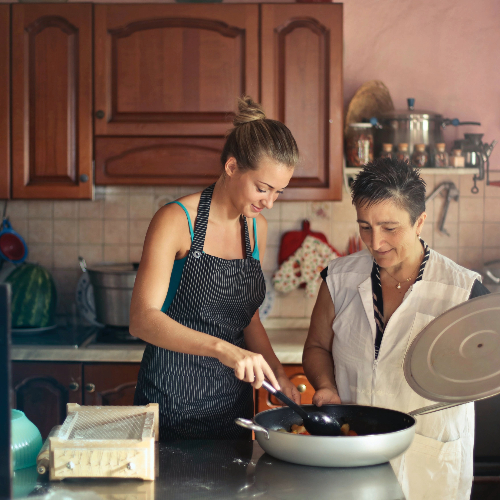
Keto cooking for beginners comes down to a few skills: cooking proteins well, making vegetables taste good, using fats wisely, and learning a handful of low-carb swaps for rice, pasta, bread and potatoes. You don’t need special equipment or expensive ingredients. A good frying pan, a baking tray, a sharp knife and a food processor or grater will cover most recipes. Stock up on eggs, meat, fish, cheese, non-starchy vegetables, olive oil, butter, nuts and seeds, herbs and spices. Start with simple meals such as sheet pan dinners, omelets, stir-fries and salads, and build from there. Planning ahead and batch cooking make keto much easier to stick to.
Stocking a keto kitchen
| Category | Staples |
|---|---|
| Proteins | Eggs, chicken thighs and breasts, ground beef, salmon, canned tuna and sardines, shrimp, tofu, halloumi |
| Dairy | Cheddar, Parmesan, mozzarella, cream cheese, Greek yogurt (plain, full-fat), heavy cream, butter |
| Vegetables | Spinach, kale, lettuce, broccoli, cauliflower, zucchini, peppers, mushrooms, cabbage, green beans, avocado |
| Fats and oils | Extra virgin olive oil, avocado oil, butter, coconut oil (in moderation) |
| Nuts and seeds | Almonds, walnuts, macadamias, pecans, chia, flax, pumpkin and sunflower seeds |
| Baking | Almond flour, coconut flour, psyllium husk, baking powder, cocoa powder, a granulated sugar-free sweetener |
| Flavor | Garlic, ginger, herbs, spices, mustard, vinegar, lemon, reduced-salt soy sauce or tamari, stock cubes or paste |
| Frozen | Cauliflower rice, spinach, broccoli, berries, fish fillets |
Our keto diet food list has a fuller checklist.
Five skills worth learning
1. Cooking protein well
Searing meat and fish in a hot pan creates flavor. Pat the surface dry, season it, heat the pan before adding oil, and don’t move the food until a crust forms. Use a food thermometer: the USDA recommends 74°C (165°F) for chicken, 71°C (160°F) for ground meat, and 63°C (145°F) for fish and whole cuts of beef, pork and lamb. Our guide on how to cook salmon covers four simple methods.
2. Roasting vegetables
Roasting at 200 to 220°C (400 to 425°F) with olive oil and salt turns broccoli, cauliflower, zucchini, peppers and Brussels sprouts sweet and crisp. Spread them in a single layer and don’t crowd the tray.
3. Making low-carb swaps
| Instead of | Try |
|---|---|
| Rice | Cauliflower rice; see our cauliflower fried rice |
| Mashed potatoes | Cauliflower mash |
| Pasta | Zucchini noodles, spaghetti squash, shirataki noodles |
| Tortillas and wraps | Lettuce leaves, cheese wraps, low-carb tortillas |
| Bread | Our keto bread or cloud bread |
| Breadcrumbs | Crushed pork rinds, almond flour or grated Parmesan |
| Flour to thicken sauces | Reducing the sauce, cream, cream cheese, or a little xanthan gum |
| Sugar | A granulated sweetener such as erythritol or allulose, in moderation |
4. Building sauces and flavor
Without sugar and starch, flavor comes from browning, herbs, spices, acids and fats. A pan sauce, made by deglazing the pan with stock and finishing with butter, mustard and lemon, transforms plain meat in five minutes. Our guide to making a simple pan sauce shows how. Pesto, garlic butter, salsa verde, tahini and curry pastes are other easy options.
5. Baking with low-carb flours
Almond flour and coconut flour behave very differently from wheat flour and from each other. Coconut flour absorbs far more liquid, so they can’t be swapped one for one. Follow tested keto recipes when you start. Our comparison of almond flour vs coconut flour explains why.
Simple meals to start with
- Omelets and frittatas with vegetables and cheese.
- Sheet pan dinners: chicken thighs or salmon with broccoli, peppers and zucchini.
- Stir-fries with meat or tofu, vegetables and tamari over cauliflower rice.
- Big salads with a protein, avocado, seeds and olive oil dressing.
- Burgers without the bun, with salad and avocado.
- Soups such as our keto Thai curry soup.
Our lists of keto breakfast ideas and keto dinner ideas have more.
Choosing fats wisely
Keto relies heavily on fat, so the type matters. Use extra virgin olive oil, avocado, nuts, seeds and oily fish as your main sources, with butter, cream and cheese in moderation. The NHS advises no more than 30 g of saturated fat a day for men and 20 g for women, which is easy to exceed on a keto diet built mainly on butter and cheese. Our guide to healthy fats on keto explains more.
Planning and batch cooking
Cooking a few things ahead makes keto easier on busy days: roast a tray of vegetables, cook a batch of chicken thighs, boil a few eggs, make a jar of dressing and rice a head of cauliflower. Our guide to keto meal prep has a full plan.
Common beginner mistakes
- Not eating enough vegetables, which leads to constipation and low fiber.
- Relying on processed meat and cheese instead of a variety of proteins.
- Forgetting salt and fluids in the first weeks, which makes keto flu worse.
- Baking keto treats every day, which can stall weight loss.
- Hidden carbs in sauces, marinades and seasoning mixes. Check labels.
Common questions
What equipment do I need for keto cooking?
A good frying pan, a baking tray, a sharp knife, a cutting board, a food processor or grater for cauliflower rice, and ideally a food thermometer. A spiralizer is useful but optional.
Is keto cooking expensive?
It can be, but eggs, chicken thighs, frozen vegetables and canned fish keep costs down. Our guide to keto on a budget has tips.
How do I make keto food taste good?
Brown your proteins, roast your vegetables, and use plenty of herbs, spices, garlic, lemon and good-quality fats.
How do I thicken sauces without flour?
Simmer the sauce to reduce it, stir in cream, cream cheese or grated Parmesan, or whisk in a tiny pinch of xanthan gum, about ¼ teaspoon at a time. Blended cauliflower also thickens soups well.
Safety note: Keto isn’t suitable for everyone. If you have diabetes, kidney or liver disease, take regular medication, or are pregnant or breastfeeding, talk to your doctor before cutting carbs this far (why it matters).
This article is general information, not medical advice. Talk to your doctor or a registered dietitian before making big changes to how you eat, especially if you have a health condition, take regular medication, or are pregnant or breastfeeding.