The nutrients most likely to run low on a keto diet are fiber, magnesium, potassium, vitamin C, folate and other B vitamins, calcium, and sometimes iron, iodine and vitamin D. That’s because keto cuts out or sharply limits whole grains, beans, lentils, fruit and starchy vegetables, which are major sources of these nutrients. In the Keto-Med trial, people ate less fiber and fewer of several nutrients on a keto diet than on a Mediterranean diet. Most gaps can be closed by building keto meals around non-starchy vegetables, nuts, seeds, fish, eggs and dairy, rather than processed meat and cheese, with a targeted supplement where needed.
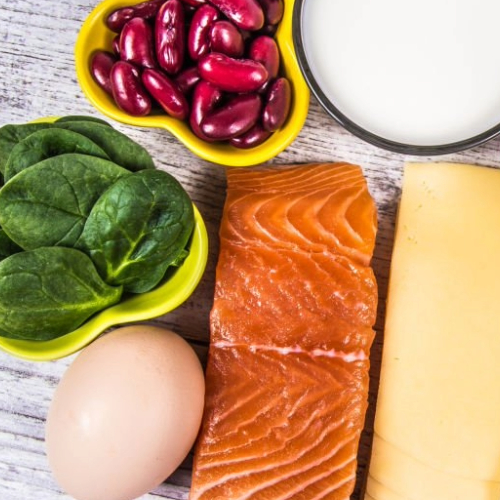
Why deficiencies happen on keto
A typical keto diet keeps carbohydrate to 20 to 50 g a day. Foods that are rich in vitamins, minerals and fiber but also high in carbs, such as oats, whole grain bread, beans, lentils, potatoes, bananas and oranges, are largely off the menu. Harvard’s Nutrition Source lists nutrient deficiencies among the possible risks of a ketogenic diet, along with kidney stones and constipation. The risk is highest for people who eat a narrow range of foods.
Nutrients to watch and where to get them on keto
| Nutrient | Why it matters | Keto-friendly sources |
|---|---|---|
| Fiber | Digestion, fullness, gut health, cholesterol | Non-starchy vegetables, avocado, chia, flax, nuts, seeds |
| Magnesium | Muscles, nerves, energy, blood sugar | Pumpkin seeds, almonds, spinach, avocado, dark chocolate (85%+) |
| Potassium | Blood pressure, heart rhythm, muscles | Avocado, spinach, mushrooms, salmon, zucchini |
| Vitamin C | Immune function, skin, iron absorption | Peppers, broccoli, kale, Brussels sprouts, strawberries, lemon |
| Folate | Red blood cells, essential in early pregnancy | Leafy greens, asparagus, avocado, broccoli, eggs |
| Thiamin and other B vitamins | Energy metabolism | Pork, fish, eggs, seeds, nuts, dairy |
| Calcium | Bones and teeth | Cheese, Greek yogurt, calcium-set tofu, sardines with bones, almonds |
| Iron | Carrying oxygen in the blood | Red meat in moderation, sardines, eggs, spinach, pumpkin seeds |
| Iodine | Thyroid function | Fish, dairy, eggs, iodized salt |
| Vitamin D | Bones, muscles | Oily fish, eggs, sunlight, supplements in winter |
Fiber
This is the most common shortfall. The NHS recommends 30 g a day, and many people on keto get far less, which can cause constipation. Aim for vegetables at every meal and add chia or flax seeds. Our list of keto vegetables includes the highest-fiber options.
Magnesium and potassium
Both are often low on keto, especially in the first weeks, when the body loses more water and minerals. Low levels can contribute to muscle cramps, tiredness and palpitations. The NHS says adults need about 300 mg of magnesium a day for men and 270 mg for women, and that 400 mg or less a day from supplements is unlikely to cause harm. Our guide to keto electrolytes explains how to get enough. Don’t take potassium supplements without medical advice, as too much can be dangerous, especially with kidney disease or some blood pressure medicines.
Vitamin C
Without citrus and most fruit, vitamin C can fall. Peppers are an excellent keto-friendly source: a medium red pepper provides more than the daily requirement. Our guide to vitamin C foods lists more.
Folate
Beans, fortified grains and oranges are common folate sources, so keto diets can run low. Leafy greens, asparagus, avocado and broccoli help. If you could become pregnant, keto isn’t generally recommended, and folic acid supplements are advised before and during early pregnancy. Our article on keto during pregnancy explains why.
Calcium
Cheese and yogurt are good keto sources, but people who avoid dairy may fall short. Calcium-set tofu, sardines with bones and almonds can help.
Vitamin D and iodine
These aren’t specific to keto, but they’re common shortfalls. Oily fish, eggs and dairy provide some of each. Our guide to vitamin D sources explains who needs a supplement.
Signs you may be low in something
- Constipation (fiber, fluid).
- Muscle cramps, palpitations or weakness (magnesium, potassium, sodium).
- Tiredness, shortness of breath or pale skin (iron, B12, folate).
- Bleeding gums or slow wound healing (vitamin C, rare).
These symptoms have many causes. See your doctor rather than guessing, especially if they persist. A blood test can check many nutrients, and our guide to keto blood tests explains what to ask for.
How to prevent deficiencies on keto
- Eat vegetables at every meal, aiming for at least half the plate.
- Vary your protein: fish, eggs, poultry, tofu and some red meat, rather than mostly bacon and sausages.
- Include nuts and seeds daily. Our guide to keto nuts and seeds compares them.
- Eat oily fish twice a week.
- Use iodized salt in moderation, as you may need a little more salt on keto.
- Consider a supplement if your diet is narrow: a standard multivitamin and mineral, magnesium, or vitamin D in winter. Our guide to keto supplements explains which are worth it.
- Reassess after a few months. If keto feels restrictive or your blood tests show problems, a less strict low-carb or Mediterranean diet may suit you better.
Common questions
Do I need a multivitamin on keto?
Not always. A varied keto diet with plenty of vegetables can cover most needs. A multivitamin can be a safety net if your food choices are limited.
Can keto cause hair loss?
Some people notice temporary hair shedding a few months after starting any diet that causes rapid weight loss, often linked to lower calorie or protein intake. Eating enough protein and calories and a variety of foods helps. See your doctor if it persists.
Who should avoid keto because of nutrient risks?
People who are pregnant or breastfeeding, children and teenagers (except under medical supervision), and people with kidney disease or a history of eating disorders.
Safety note: Keto isn’t suitable for everyone. If you have diabetes, kidney or liver disease, take regular medication, or are pregnant or breastfeeding, talk to your doctor before cutting carbs this far (why it matters).
This article is general information, not medical advice. Talk to your doctor or a registered dietitian before making big changes to how you eat, especially if you have a health condition, take regular medication, or are pregnant or breastfeeding.