Sugar cravings on keto are common, especially in the first few weeks, when you’ve just cut out sweet foods you’re used to. The practical fixes are to eat regular, filling meals with enough protein and vegetables, keep a few low-carb sweet options on hand such as berries with cream, plan for your trigger times, and get enough sleep. Cravings usually get easier as new habits form. If cravings feel out of control, or you find yourself restricting and then bingeing, talk to a doctor, because that can be a sign that the diet isn’t right for you.
Why cravings happen
Cravings aren’t a sign of weak willpower. They come from a mix of habit, mood, tiredness and hunger. If you’ve eaten something sweet after dinner every night for years, your brain expects it at that time. Stress, boredom and poor sleep make cravings stronger for many people.
On keto there’s an extra reason: you’ve removed a whole group of foods at once. The World Health Organization notes that a single can of soda can contain up to 40 g of free sugars, so if sweet drinks and snacks were part of your routine, the change is large.
10 ways to handle sugar cravings on keto
- Eat enough at meals. Very small meals can leave you hungry and reaching for something sweet later. Our guide to keto macros explains how to build a filling plate.
- Include protein at every meal, such as eggs, fish, chicken, Greek yogurt or tofu.
- Fill up on vegetables. Low-carb vegetables add bulk for very few net carbs. Our list of keto vegetables has plenty of options.
- Plan for your trigger times. If you always want something sweet after dinner, plan a low-carb dessert for that moment instead of fighting it.
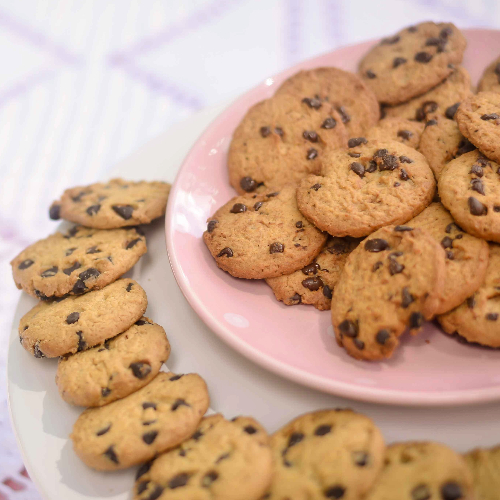
- Keep sweet foods out of easy reach. It’s easier to skip the cookies in the shop than in your cupboard at 10 p.m.
- Drink water or tea. Sometimes a drink is enough to break the habit of reaching for a snack.
- Brush your teeth after dinner. Some people find it signals that eating is over for the day.
- Get enough sleep. Being tired makes it harder to stick to any plan.
- Move. A short walk after a meal can take your mind off food.
- Wait 10 minutes. Cravings often pass if you do something else for a while.
Low-carb sweet options
When you do want something sweet, these fit most keto plans in small portions:
| Option | Why it works |
|---|---|
| Raspberries or strawberries with cream | About 4 g of net carbs per 75 g of berries, based on USDA values |
| Plain Greek yogurt with berries and cinnamon | Protein and a little natural sweetness |
| A square or two of very dark chocolate | Check the label: higher cocoa usually means less sugar |
| Unsweetened cocoa stirred into warm milk or cream | A hot-chocolate fix without the sugar |
| Nuts with a few berries | Crunch and sweetness together |
Our guide to berries on keto has portion sizes.
What about sweeteners and “keto” treats?
Low- and no-calorie sweeteners can help some people move away from sugar. Others find that very sweet “keto” desserts keep their sweet tooth going. If keto cookies and bars lead you to eat more, cut back on them. Many contain sugar alcohols, which can cause bloating and diarrhea in larger amounts. Our guide to net carbs explains how to count them.
Does it get easier?
For many people, yes. As new habits form and sweet foods stop being part of the daily routine, cravings tend to become less frequent. But everyone is different. If you’re still struggling after a few weeks, that’s useful information, not a failure. A less strict approach, such as cutting added sugar and refined carbs while keeping fruit and whole grains, may suit you better. The Keto-Med trial found that people were more likely to stick with a Mediterranean-style diet than keto, with similar blood sugar results.
When cravings are a warning sign
Restrictive diets aren’t right for everyone. Talk to a doctor if you notice any of the following:
- Intense, constant thoughts about food
- Cycles of strict restriction followed by eating large amounts and feeling out of control
- Eating in secret, or feeling guilt or shame after eating
- Making yourself sick or using laxatives after eating
- Rapid weight loss, or feeling anxious when you can’t control what you eat
These can be signs of an eating disorder, which is serious but treatable. If you’re in crisis or need someone to talk to now, findahelpline.com lists free, confidential helplines in many countries.
Before you start
Safety note: A ketogenic diet isn’t safe for everyone. Don’t start one without medical supervision if you have type 1 diabetes, take insulin or other diabetes medicines (especially SGLT2 inhibitors such as empagliflozin or dapagliflozin), take medicine for high blood pressure, have kidney, liver, pancreas or gallbladder disease, are underweight or have had an eating disorder, or are pregnant or breastfeeding. Children should only follow keto as a medical treatment run by a specialist team. A 2026 review of keto’s contraindications lists these and other situations that need care, so talk to your doctor first if any apply to you.
Common questions
Are sugar cravings a sign of a deficiency?
There’s no good evidence that a sugar craving means you’re missing a particular nutrient. Habit, hunger, tiredness and stress are much more common reasons.
Should I allow myself a treat?
Some people find a planned, small treat easier than total restriction, and some find it sets off more cravings. Notice what works for you, and if a strict approach makes your relationship with food worse, that’s a reason to step back.
What if I slip up?
One sweet treat doesn’t undo your progress. Get back to your usual meals at the next opportunity, without trying to “make up for it” by skipping food, which often makes cravings worse.
This article is general information, not medical advice. Talk to your doctor or a registered dietitian before making big changes to how you eat, especially if you have a health condition, take regular medication, or are pregnant or breastfeeding.