You don’t have to give up comfort food to eat well. Most favorite comfort dishes, such as mac and cheese, pies, curries, pizza, chili, burgers and creamy pasta, can be made lighter with a few changes: add more vegetables and beans, use leaner meat or less of it, swap some cream or cheese for milk, yogurt or a stronger cheese used in smaller amounts, choose whole grains, and bake rather than fry. The result still feels warm and filling, but with more fiber and less saturated fat and salt. The NHS Healthier Families site suggests small, realistic swaps like these rather than strict rules.

Why comfort food matters
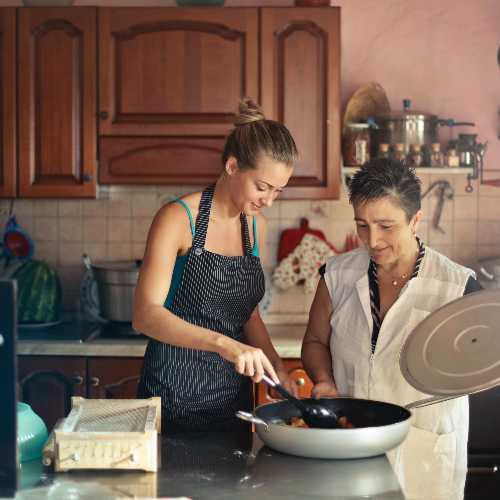
Comfort food is tied to memories, culture and family, and it’s often what we want when we’re tired, cold or stressed. Banning it usually backfires. A better approach is to make the dishes you love a little healthier most of the time and enjoy the original version now and then. If you often eat for comfort when stressed, our guide to stress eating has practical tips.
Healthier versions of classic comfort foods
| Dish | Typical version | Healthier version |
|---|---|---|
| Mac and cheese | White pasta, butter, lots of mild cheese | Whole wheat pasta, a sauce of milk with a little mature cheddar and mustard, plus broccoli or cauliflower stirred in |
| Shepherd’s or cottage pie | Fatty mince, butter-rich mash | Half lean mince, half lentils, extra carrots and peas, mash made with milk or topped with sweet potato |
| Lasagne | Fatty mince, cream sauce, lots of cheese | Lentil or vegetable layers, a lighter white sauce with milk, spinach and a little Parmesan |
| Pizza | Thick white base, processed meat, extra cheese | Thin or whole wheat base, plenty of vegetables, some mozzarella, chicken or tuna |
| Fish and chips | Battered fish, deep-fried chips | Breadcrumbed baked fish with oven-baked fries and peas |
| Fried chicken | Deep-fried, battered | Our oven-fried chicken with a crisp crumb coating |
| Curry | Cream-based sauce, white rice, naan | Tomato-based sauce with yogurt, extra vegetables or chickpeas, brown rice |
| Burgers | Fatty patty, white bun, fries | Lean or homemade patty in a whole wheat bun with salad; see our homemade burgers |
| Creamy pasta | Cream, bacon, butter | A little crème fraîche or blended cottage cheese, mushrooms, peas and spinach |
| Hot chocolate | Sweetened powder, whipped cream | Cocoa powder with milk and a little honey |
Simple swaps that work in most recipes
Add vegetables
Grated carrot, zucchini and finely chopped mushrooms disappear into sauces, chili and bolognese. Frozen peas, spinach and mixed vegetables can be stirred into pies, pasta bakes and curries. Our guide to eating more vegetables has more ideas.
Use beans and lentils
Replacing a third to a half of the meat with lentils or beans adds fiber and lowers saturated fat while keeping the dish hearty. Red lentils cook down and thicken sauces; canned beans work in chili, stews and pies.
Lighten creamy sauces
Make a white sauce with milk thickened with a little cornstarch or flour, use a smaller amount of a strong cheese such as mature cheddar or Parmesan, or stir in plain yogurt off the heat. Saturated fat should be kept to no more than 30 g a day for men and 20 g for women, as the NHS advises, and one portion of a creamy, cheesy dish can contain most of that.
Choose whole grains
Whole wheat pasta, brown rice and whole grain bread add fiber and keep you fuller. Mixing half white and half whole wheat pasta is a good way to start.
Bake, roast or air-fry instead of deep-frying
You still get a crisp coating with far less oil.
Watch the salt
Ready meals, gravy granules, stock cubes, processed meats and cheese all add salt. Taste before adding more, and use herbs, spices, garlic, lemon and pepper for flavor. Our guide to herbs instead of salt shows how.
Comfort foods that are already healthy
Some comfort foods need little changing:
- Soups and stews full of vegetables and beans, such as our red lentil soup.
- Porridge with fruit and cinnamon.
- Baked potatoes with beans, cottage cheese or tuna.
- Dal with rice or chapati.
- Chili with plenty of beans.
- Roast chicken with vegetables.
Our article on whether soup is healthy explains what makes a soup filling and balanced.
Comfort desserts
Fruit crumbles with an oat topping and less sugar, baked apples, rice pudding made with milk, and yogurt with warm berry compote all feel indulgent with less sugar and fat than cakes and pastries. Try our berry compote or rice pudding, and see our guide to cutting sugar without giving up dessert.
Cooking comfort food ahead
Many comfort dishes, such as chili, stews, curries, pies and pasta bakes, freeze well, so making a double batch means a healthier homemade option is ready on the nights you’d otherwise reach for a takeaway. Cool leftovers quickly, refrigerate them within 2 hours and eat them within 3 to 4 days, or freeze them in portions, as the USDA advises. Reheat until steaming hot all the way through. Our guide to batch cooking explains how to plan a session.
Portions still matter
Even a healthier version can be high in calories if the portion is large. Serve comfort food with a side salad or green vegetables, use a smaller plate, and put leftovers away before you sit down so seconds take a little more effort.
Common questions
Can comfort food be part of a healthy diet?
Yes. What matters is your overall pattern of eating. Enjoying the original version occasionally is fine.
What’s the easiest swap to start with?
Adding vegetables or beans to dishes you already make. It’s quick, cheap and usually unnoticed by the family.
Are ready meals a good comfort food option?
Some are reasonable, but many are high in salt and saturated fat. Check the label, and add a side of vegetables. Our guide to ultra-processed foods explains what to look for.
This article is general information, not medical advice. Talk to your doctor or a registered dietitian before making big changes to how you eat, especially if you have a health condition, take regular medication, or are pregnant or breastfeeding.