Yes, tomatoes are good for you. They’re low in calories, at about 18 kcal per 100 g, and provide vitamin C, potassium, fiber and lycopene, the red pigment that gives them their color. According to USDA FoodData Central, 100 g of raw tomato has about 14 mg of vitamin C and 2.6 mg of lycopene. Cooked tomatoes and tomato paste are just as useful, and in one way better: lycopene is absorbed more easily from cooked tomato products, especially with a little oil. Tomatoes are among the most common foods eaten raw, cooked, canned and in sauces around the world, and both fresh and canned versions count toward your 5 a day.
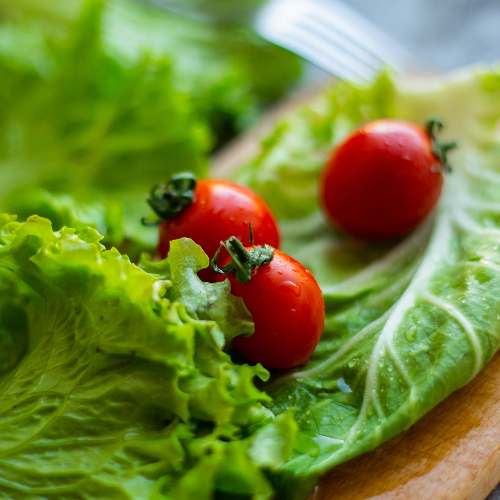
Tomato nutrition
Per 100 g, from USDA FoodData Central:
| Nutrient | Raw red tomato | Tomato paste (no added salt) |
|---|---|---|
| Calories | 18 kcal | 82 kcal |
| Carbohydrate | 3.9 g | 18.9 g |
| Fiber | 1.2 g | 4.1 g |
| Sugars | 2.6 g | 12.2 g |
| Protein | 0.9 g | 4.3 g |
| Vitamin C | 13.7 mg | 21.9 mg |
| Potassium | 237 mg | 1,010 mg |
| Lycopene | 2.6 mg | 28.8 mg |
Tomato paste is concentrated, so a tablespoon (about 16 g) adds around 4.6 mg of lycopene and only 13 calories. A medium tomato weighs about 120 g, and 80 g counts as one of your 5 a day.
Health benefits
Lycopene
Lycopene is a carotenoid, a family of plant pigments that act as antioxidants. Tomatoes and tomato products provide most of the lycopene in many diets, with smaller amounts in watermelon, pink grapefruit and guava. Our guide to watermelon nutrition covers another source.
Cooking and processing help. In a study in the American Journal of Clinical Nutrition, people who ate tomato paste with oil had peak blood lycopene levels 2.5 times higher than those who ate the same amount of lycopene from fresh tomatoes with oil. Heat breaks down cell walls, and fat helps the body absorb carotenoids, which is why tomato sauce made with olive oil is a good way to get them.
Vitamin C and potassium
A medium tomato provides around 16 mg of vitamin C, about 40% of the 40 mg a day adults need. Tomatoes also contain potassium, which helps balance the effects of salt on blood pressure. Our guide to vitamin C foods lists richer sources.
Heart health
Diets rich in vegetables, including tomatoes, are linked with a lower risk of heart disease. Tomatoes are a staple of the Mediterranean diet, which has some of the strongest evidence for heart health. Our Mediterranean diet for beginners guide explains the pattern.
Prostate cancer: what the evidence says
Lycopene is often promoted for prostate health, but the evidence is weak. A Cochrane review of randomized trials found insufficient evidence to support or refute lycopene for preventing prostate cancer. Eating tomatoes as part of a balanced diet is sensible, but there’s no good evidence that lycopene supplements help.
Fresh, canned or cooked?
- Fresh tomatoes are best for salads, salsas and sandwiches, and keep the most vitamin C.
- Canned tomatoes are cheap, convenient and just as nutritious for cooking, with more available lycopene. Choose cans without added salt or sugar where possible.
- Tomato paste and passata add concentrated flavor and lycopene to sauces, soups and stews.
- Sun-dried tomatoes are very concentrated, so a small amount goes a long way; those packed in oil are higher in calories.
- Ketchup contains lycopene but also plenty of sugar, about 21 g per 100 g in USDA data, and salt, so it’s best used in small amounts.
Things to watch
- Heartburn: the NHS lists tomatoes, along with coffee, alcohol, chocolate and fatty or spicy foods, among things that can trigger heartburn. If they set off your symptoms, eat less of them or have them earlier in the day.
- Salt in tomato products: canned soups, ready-made pasta sauces and ketchup can be high in salt. Check labels.
- Allergy: true tomato allergy is uncommon. Some people with hay fever get itching in the mouth from raw tomatoes, which usually settles quickly.
- Nightshades and inflammation: tomatoes are nightshade vegetables, and some diets claim they cause inflammation. There’s no good evidence of this for most people. Our guide to the anti-inflammatory diet explains what actually helps.
How to choose and store tomatoes
Choose tomatoes that are heavy for their size, with a deep, even color and a fresh, earthy smell near the stem. Keep them at room temperature, stem side down and out of direct sun, until they’re fully ripe, as the fridge dulls their flavor and makes the flesh mealy. Once ripe, eat them within a few days, or move them to the fridge and bring them back to room temperature before eating. Our guide to storing fruit and vegetables has more tips.
Easy ways to eat more tomatoes
- Roast cherry tomatoes with olive oil and garlic and toss with pasta. Our cherry tomato pasta takes 20 minutes.
- Make a simple salad with cucumber, red onion and herbs, like our cucumber tomato salad.
- Blend a soup: our tomato basil soup uses fresh and canned tomatoes.
- Make salsa for eggs, tacos or grilled fish. Try our roasted tomato salsa.
- Add canned tomatoes to stews, curries and chili.
- Top toast with tomato, basil and mozzarella, as in our caprese toast.
- Keep a pantry pasta sauce ready, such as our spaghetti puttanesca.
Growing your own tomatoes
Tomatoes are one of the easiest crops for beginners and grow well in pots on a sunny balcony, patio or windowsill. Cherry varieties are the most forgiving: they ripen quickly, crop for months, and don’t need much space. Plant them out after the last frost, water regularly and deeply rather than a little every day, and feed them with a tomato fertilizer once the first fruits form. Homegrown tomatoes picked fully ripe on the plant have a flavor that’s hard to match in shops. Our guide to growing your own food has tips for getting started.
Common questions
Does cooking tomatoes destroy their nutrients?
Some vitamin C is lost with heat, but lycopene becomes easier to absorb, so raw and cooked tomatoes each have advantages. Eating both through the week is a good approach.
Are tomatoes a fruit or a vegetable?
Botanically they’re a fruit, because they contain seeds. In cooking and nutrition advice they’re treated as a vegetable.
Are cherry tomatoes healthier than large tomatoes?
They’re similar. Cherry tomatoes are often sweeter, but the variety and how ripe the tomato is matter more than its size.
Are tomatoes keto?
Yes, in moderate amounts. A medium tomato has about 3.2 g of net carbs. Our list of keto vegetables compares them.
Is it safe to eat tomato seeds and skin?
Yes. They contain much of the fiber. People with certain bowel conditions are sometimes advised to avoid skins and seeds during flare-ups; follow your doctor’s advice.
This article is general information, not medical advice. Talk to your doctor or a registered dietitian before making big changes to how you eat, especially if you have a health condition, take regular medication, or are pregnant or breastfeeding.



